





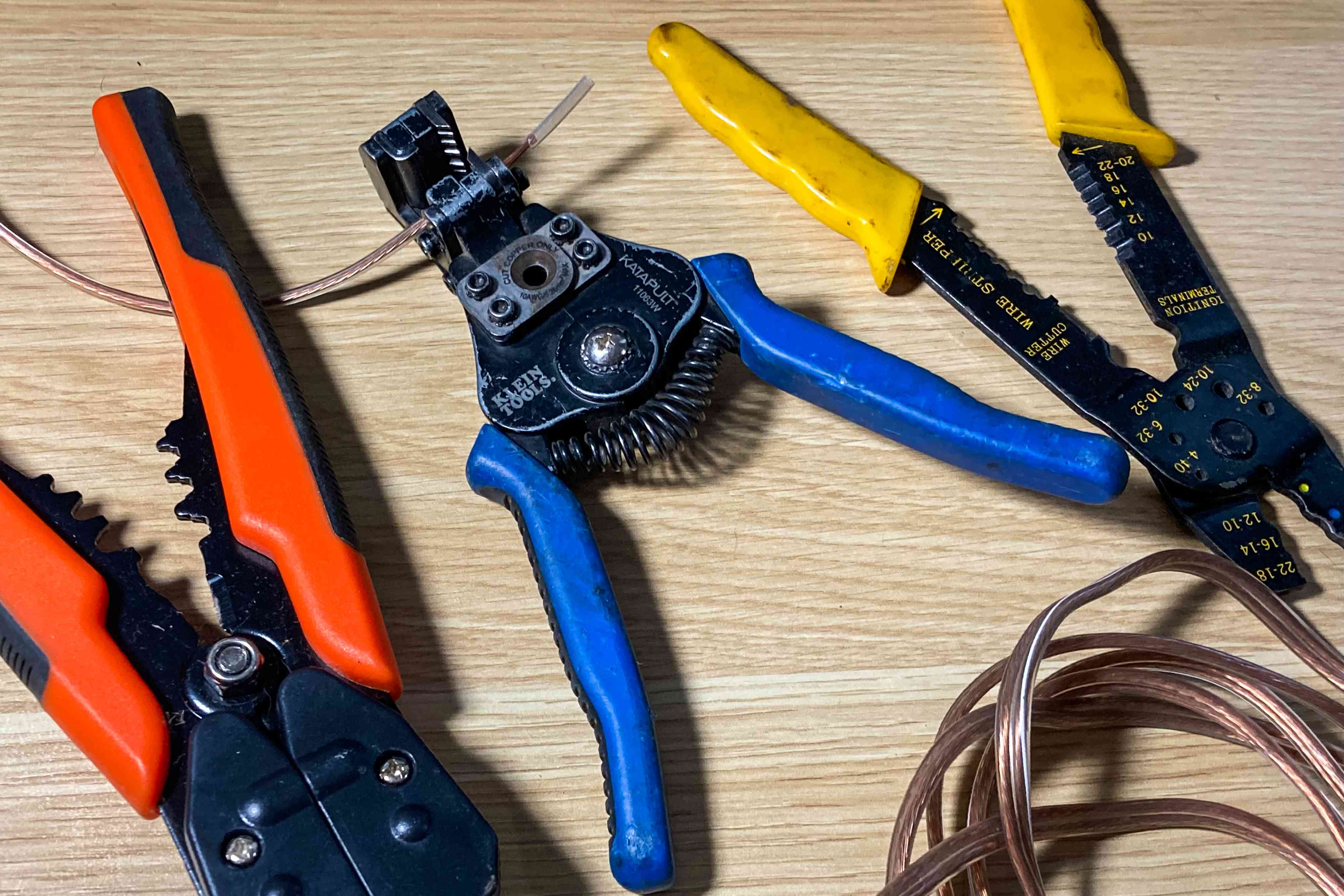
The electrical wiring process requires workers to maintain both absolute accuracy and safe work methods. Insulation removal requires complete accuracy because even minor errors can lead to conductor damage and connection failure and create dangerous electrical situations. Professionals and DIY enthusiasts need to learn wire stripping tool operation because it serves as essential safety knowledge. Proper technique not only ensures strong electrical connections but also reduces the risk of shock, short circuits, and equipment failure.
The wire stripping tool serves its purpose to strip insulation from electrical wires while protecting the wire's inner metal conductor. Using knives or improper tools can easily nick the wire, leading to overheating or breakage over time. Proper wire stripping tool operation becomes faster and safer and cleaner when users follow correct methods and safety protocols.
The Importance of Safe Wire Stripping
The practice of wire stripping can lead to these dangerous outcomes when done improperly:
- The conductors become damaged or their integrity becomes weakened
- The electrical connections become unreliable because of loose connections
- High resistance conditions cause excessive heat buildup
- Electrical fires and short circuits happen
- People face electric shock hazards
Safe wire stripping tool operation helps you to prevent these problems while achieving results which meet professional standards.
Step-by-Step: How to Use a Wire Stripping Tool Safely
1. Turn Off the Power Supply
Before touching any wire, ensure the circuit is completely powered off. Use a voltage tester to confirm there is no live current. The method for stripping insulation from a live wire should never be attempted.
2. Choose the Correct Tool
Select a high-quality wire stripping tool that matches the type and gauge of wire you are working with. The design of most wire strippers includes explicit indicators that show the different wire sizes (AWG) which they can handle.
3. Identify the Wire Gauge
The wire gauge should be checked to find its exact size which should then be matched to the corresponding slot on the stripping tool. When using the incorrect slot the machine will cut through too much material thereby harming the conductor.
4. Insert the Wire Properly
The wire should be inserted into the correct slot by using the desired length for stripping. The conductor must be measured exactly to prevent exposure of both excessive and insufficient material.
5. Apply Controlled Pressure
The user should apply enough pressure through handle compression to achieve insulation cutting while maintaining metal core protection. The conductor will experience damage when excessive force is applied.
6. Remove the Insulation
The tool should be used to pull insulation off by pulling the tool away from the wire end after cutting the insulation.
7. Inspect the Exposed Conductor
The stripped wire should be examined with great attention. The copper strands must remain intact without any damage which results in missing or broken strands. Damaged wire sections require trimming while the entire procedure must be done again.
Common Mistakes to Avoid
Many beginners make simple errors when learning how to use a wire stripping tool safely. The errors consist of users choosing pliers instead of proper strippers and users cutting through the conductor too deeply and users neglecting to shut off the electrical power. The correct technique helps you to reduce these dangers because you should take your time.
Final Thoughts
Safe operation of wire stripping tools represents a basic requirement for all electrical work. The correct stripping method guarantees proper connections which deliver permanent performance benefits throughout your work on new outlets and wiring repairs and DIY projects. You can complete your wiring projects with confidence and safety through proper safety procedures and tool selection and controlled pressure application.
Electrical work requires complete attention which should always begin with safety measures because workers must perform their tasks without rushing.



Though the social media platform enables users to access every single feature without a hurdle, the features integrated into the online socializing platform with links within links make the social media site and app a little bit intricate.
This intricacy of features may trigger confusion among some users about how to use Facebook safely and setting up privacy.

Want to move accounting data from Sage 50 but don’t know how to download and use the QuickBooks conversion tool?
If yes, you must click on the linked article to get all the necessary information related to it.
If you have any doubt related to the conversion tool even after going through the linked article, feel free to get in touch with our QuickBooks support team at (855)-526-5749.