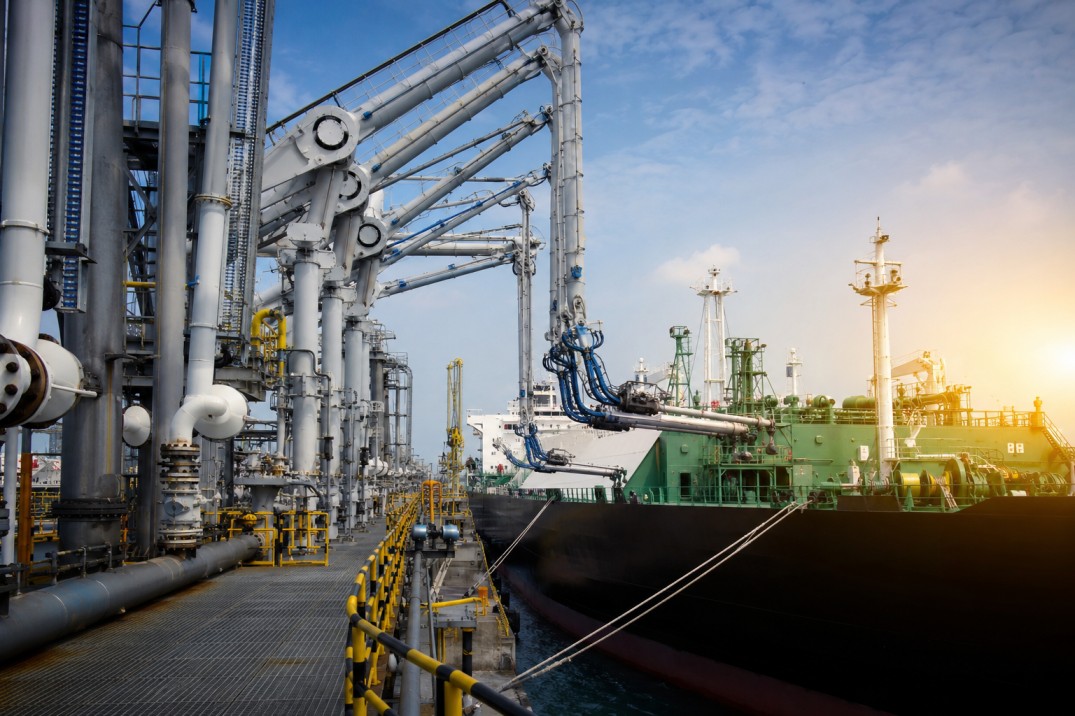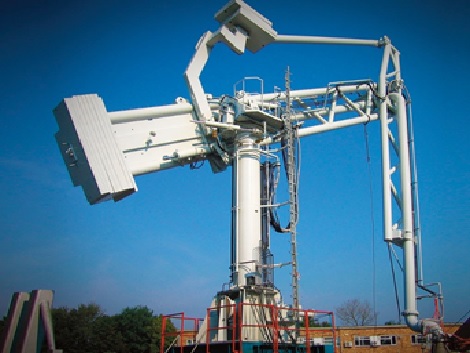


Marine loading arms have become indispensable for ensuring safe, efficient, and environmentally responsible transfer of fluids between shore-based terminals and marine vessels. By combining rigidity with articulation, these systems are rapidly replacing traditional hoses and are instrumental in advancing operations at oil, chemical, and LNG terminals.
What is a Marine Loading Arm?
A marine loading arm is an articulated pipe system engineered to precise specifications and accuracy for the purpose of transferring liquid or gases between a shore-based terminal and a tanker vessel. Unlike flexible hoses, which are more prone to wear, kinking, and environmental degradation, MLAs have a rigid counterbalanced structure that withstands high pressures, extreme temperature variations from cryogenic LNG to heated bitumen, and the continuous motion of a ship at berth.
Key Components of an MLA
Stand Post: The vertical base is fastened to the jetty.
The main parts that provide the reach are the inboard and outboard arms.
Swivel Joints: The "elbows" that provide 360-degree rotation and flexibility.
Counterweight System: Ensures the arm remains balanced in all positions, reducing the load on the ship’s manifold.
Quick Connect/Disconnect Couplers (QCDC): Automatic systems to quickly secure the vessel.
Critical Stages in the Installation of Marine Loading Arms
Installing a marine loading arm is a multistage process that begins well before the equipment arrives at the jetty.
The following is the updated workflow for a successful installation:
Pre-Installation Engineering and Site Prep
The first thing an engineer must do, before any hardware is moved, is to define the operating envelope. It refers to the three-dimensional space that allows the arm to move safely and accommodate the ship’s surge, sway, heave, and tidal variations.
Integrity of Jetty: The pier should be checked to ensure that the concrete and steelwork can support the large static and dynamic loads of the MLA.
Piping Alignment: Shore-side piping must be perfectly leveled and "plumb" to avoid stress on the MLA's base riser.
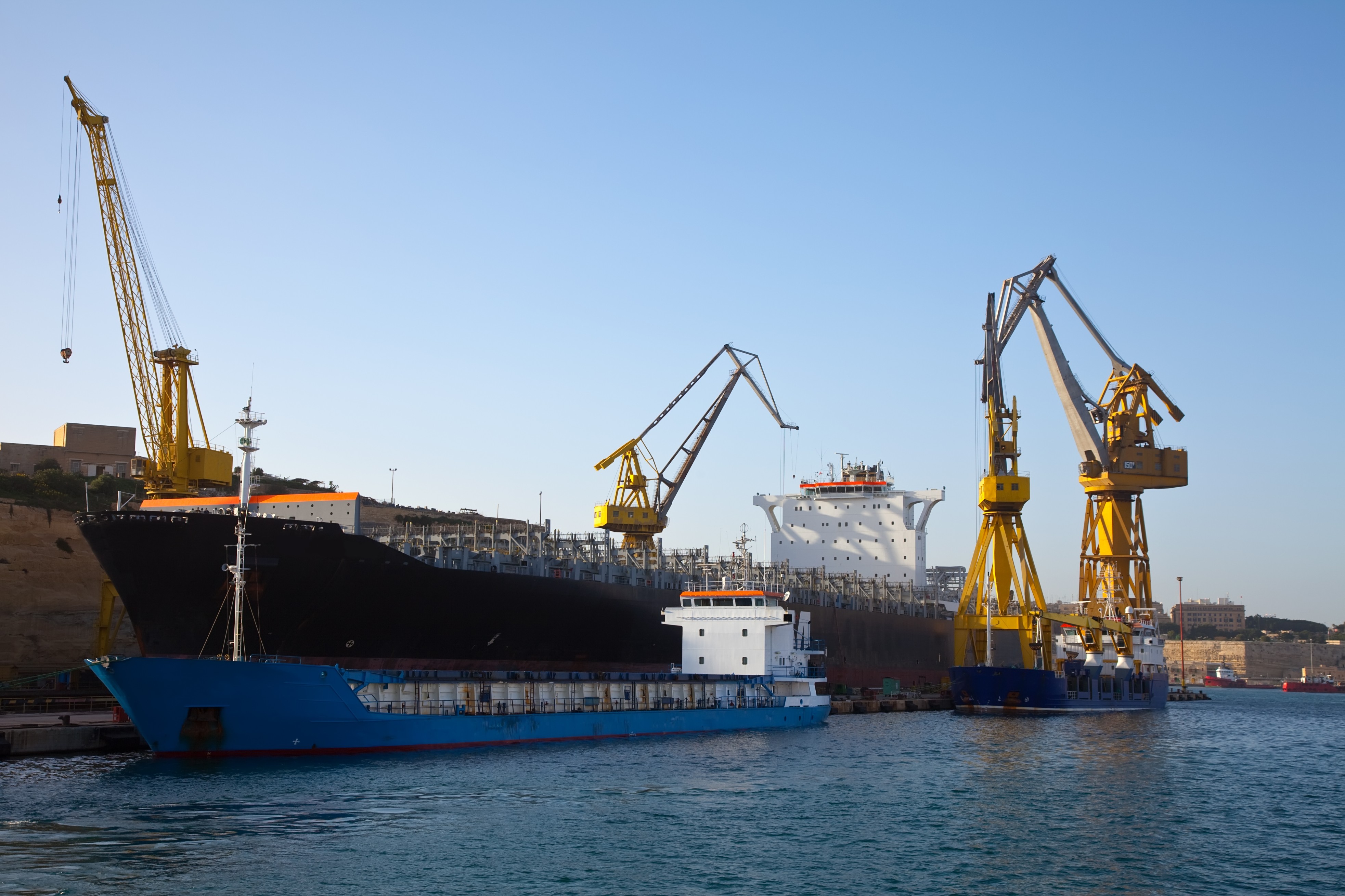
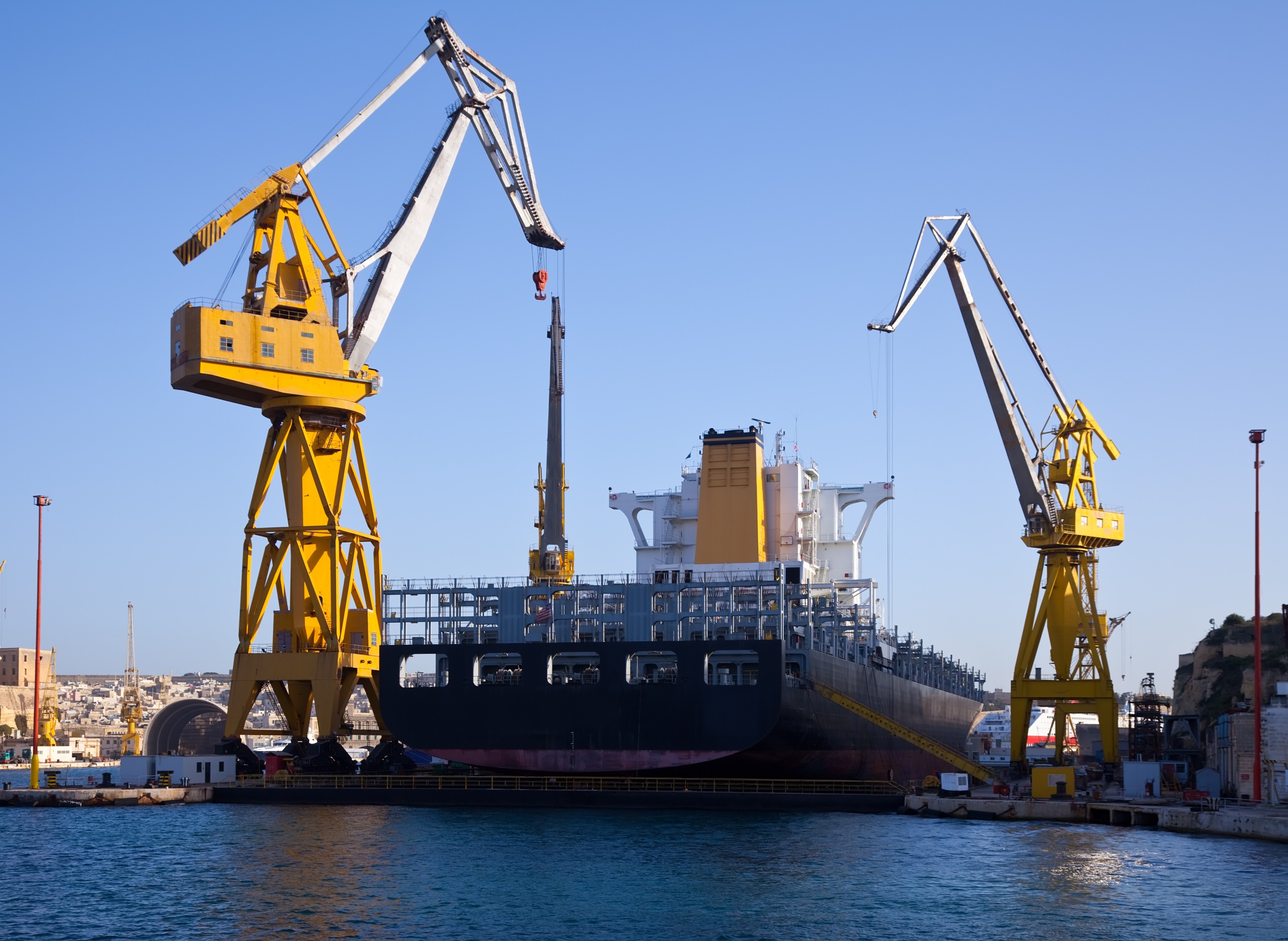
Rigging and Lifting
Due to its weight and size, MLA is normally transported in sections or as a "pre-assembled" unit.
Lifting Strategy: High-capacity cranes are required. Specialized webbing straps are used to protect the arm’s finish and sensitive swivel joints from damage during movement.
Balancing: It is important that the arm be perfectly balanced throughout the lift to prevent a sudden shift in counterweight.
Fastening the Base and Connections
Once correctly positioned on the stand post, the arm is then bolted down using high-tensile steel bolts (typically class 8.8 or higher).
Sealing of Flanges: Gaskets should be free from any defect. Even a very minute fraction of particles present on the face of the flange can create a very high-pressure leakage when the system is put under pressure.
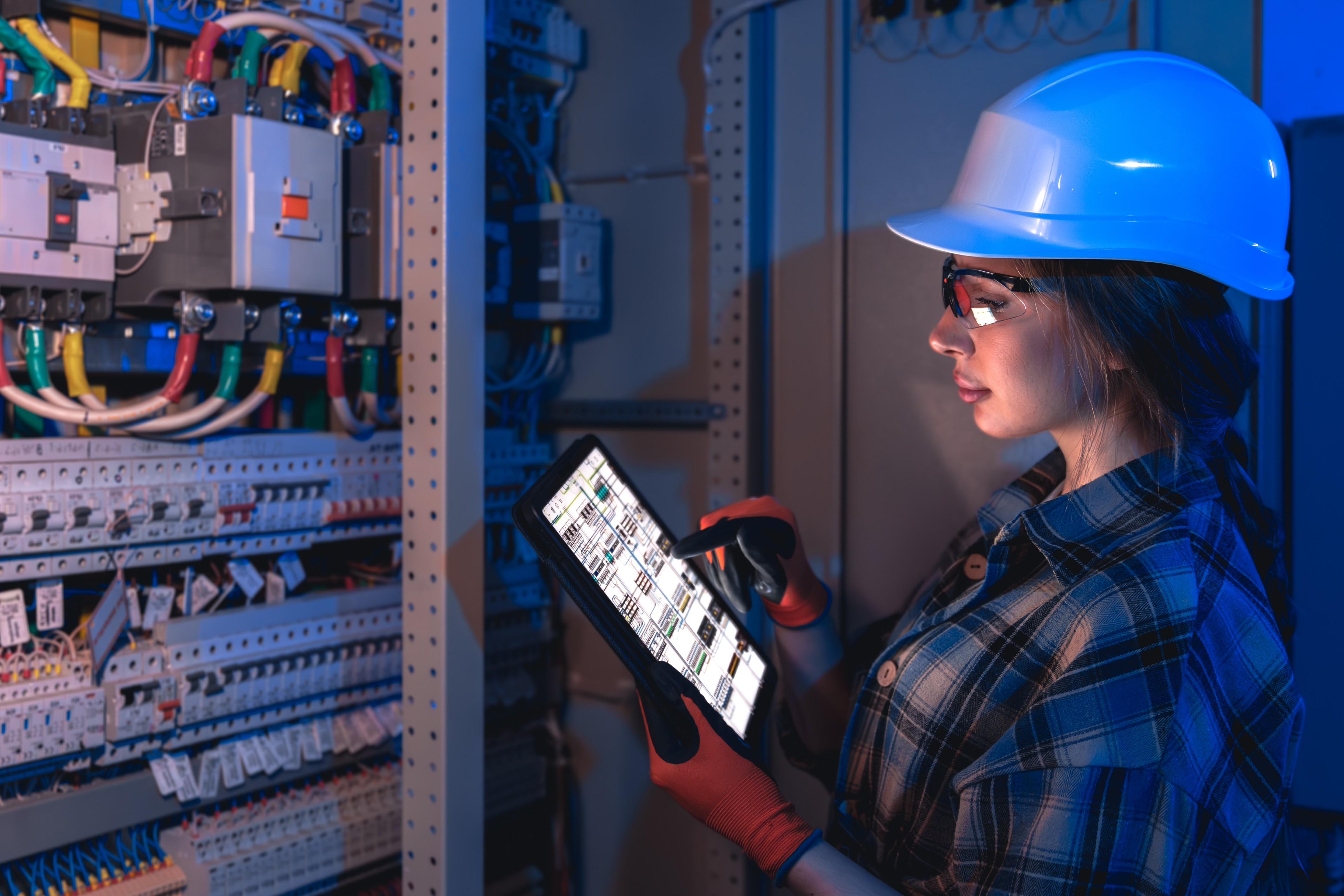
Integration of Hydraulic and Electrical Systems: Modern MLAs are becoming increasingly “smart,” requiring the integration of PLC systems for real-time arm position monitoring during installation.
Calibration and dry testing
Before anything is piped through it, the arm is put through an intensive series of tests:
Counterweight Adjustment: The tension is fine-tuned so the arm "floats" effortlessly, allowing a single operator (or hydraulic system) to move it into position.
Emergency Release System Test: the most vital safety check. The ERS should, in a matter of seconds, be able to disconnect the arm and seal the valves if the ship drifts out of the operating envelope.
Spotlight: Tekzone Marine Services
Tekzone is a leader in the UAE's Major Lifting Activities (MLA) projects, offering comprehensive services that include design, sourcing, foundation work, overhauling, and maintenance. Recent accomplishments feature the replacement of EPPCO's JET A-1 MLA at JAFZA with a 12" KANON, upgrades to DUGAS' 16" KANON, and the swap from Woodfield to FMC for DEWA at JAFZA Berth 1. These projects involve providing Engineering, Procurement, and Construction (EPC) services. They also include civil engineering, electrical and instrumentation (E&I), and testing. Tekzone's customized solutions emphasize safety, efficiency, and sustainability, including vapor systems, which make them ideal for oil and gas terminals.
Modern Developments in MLA Technology 2024-2025
Current marine loading arm installations are increasingly emphasizing automation and sustainability.
IoT & Smart Monitoring: Sensors that monitor seal integrity, swivel joint wear, and vibration are now included in new installations. This enables predictive maintenance, where parts are replaced according to actual wear data rather than a fixed calendar schedule.
Vapor Recovery Systems: Most new MLAs meet the upcoming 2025 environmental mandates by incorporating "piggyback" vapor return lines. These capture VOCs during loading operations and keep them from being introduced into the atmosphere.
Electric MLAs: Hydraulic systems remain the standard, but electric-drive loading arms are gaining traction in European ports due to lower environmental footprints and reduced risks associated with hydraulic fluid spills.
Safety and Maintenance Procedures
An MLA is only as good as its maintenance regime. Saltwater, extreme temperatures, and high-frequency use, sometimes 50+ connections a day, take their toll.
Greasing: Swivel joints require a special water-resistant grease to ensure smooth and reliable rotation.
Seal Inspection: Coupler seals should be inspected daily, as worn seals are the primary cause of minor leaks and environmental non-compliance.
Grounding: The flow of product develops static electricity. Both the marine loading arm and the vessel must always be properly grounded to eliminate the risk of explosion.
Personal Safety: All personnel should wear PPE during installation and operation: hard hats, steel-toed boots, and high-visibility gear. A key safety concern involves the presence of "pinch points" around moving joints in this type of bridge.
FAQs
Q1. How much time does it usually take to install marine loading arms?
Depending on site preparation and control system complexity, a typical installation typically takes two to four weeks from equipment arrival to final commissioning.
Q2. Can an already existing jetty be retrofitted for a new MLA?
Yes, it does, but it requires a structural audit. Since modern MLAs can be heavier or have different "kickback" forces in an emergency release, the jetty foundation may need additional strengthening.
Q3. By manual loading arms, and are they used in 2025?
Yes, many smaller terminals, or those handling non-hazardous products such as edible oils, continue to use manual arms. In contrast, oil, gas, and chemical applications typically favor hydraulic systems due to their superior safety and efficiency.
Q4. How long does an accurately serviced MLA survive?
A well-engineered marine loading arm should last for around 20 to 30 years. Certain critical components, such as seals and swivel joint internals, must be replaced every 5 to 10 years as part of the regular maintenance schedule.
Q5. What happens if a ship drifts too far during loading?
This will activate the Emergency Release System (ERS). This is essentially the "double block and bleed" procedure, where two valves are closed (one on the arm and one on the vessel) to prevent any spill, and then the arm is physically disconnected from the vessel's manifold.
Conclusion
Marine loading arms play a vital role in improving the efficiency and safety of port operations. The integration of IoT and automation is introducing advanced features such as predictive maintenance and real-time monitoring. Tekzone Marine Services stands out as a leading partner in the UAE, offering comprehensive installations that include upgrades at JAFZA and vapor recovery systems. Their goal is to maximize return on investment while adhering to the sustainability standards set for 2026. Terminals that adopt these smart systems will experience increased flow rates, reduced downtime, and improved compliance, which together ensure long-term operational success.