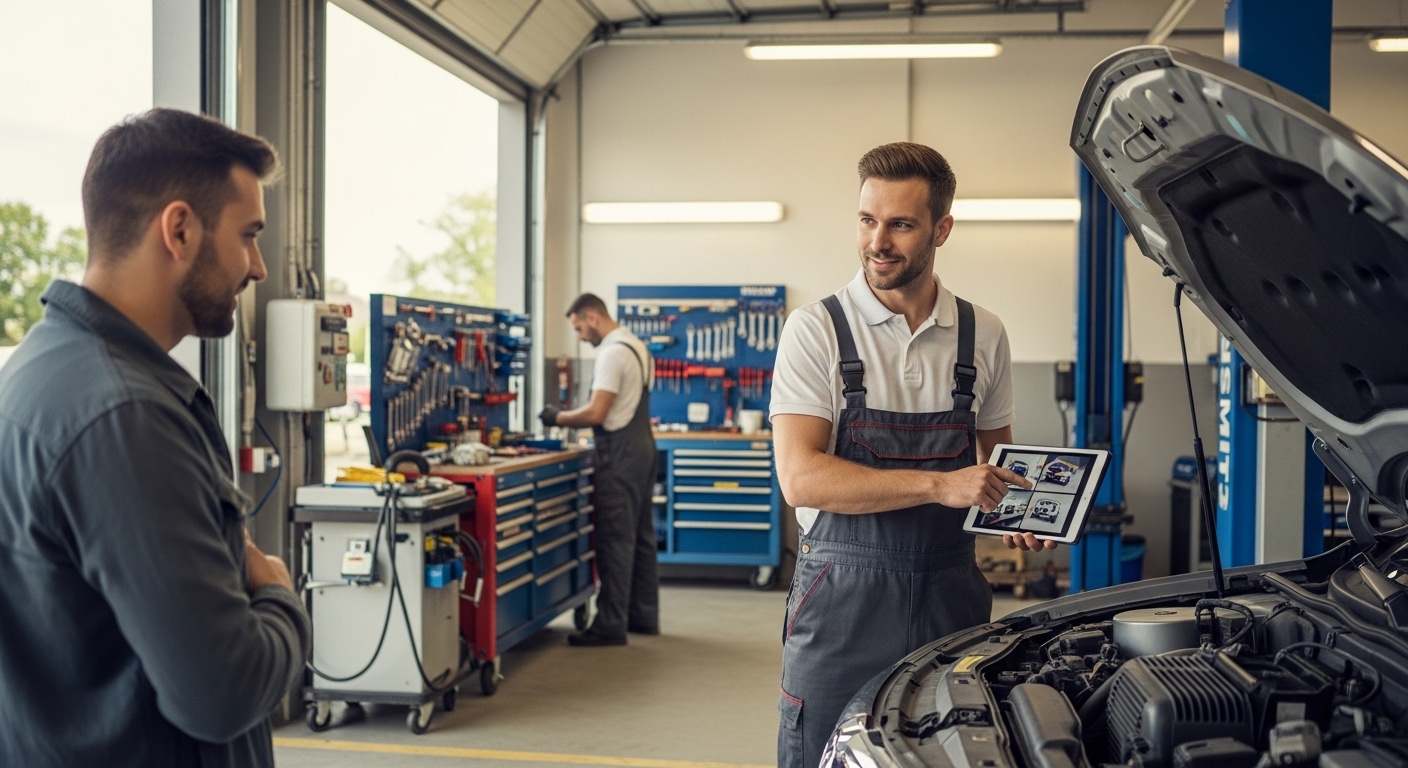
Trust is not built when a customer walks into your garage for the first time; it is built in the small moments that make them want to come back again and again.
If you run a garage, you already know how competitive things have become. Customers have more choices, more online reviews to read, and more skepticism than ever before. I have seen skilled garage owners struggle not because their work was poor, but because customers did not fully trust the experience. The good news is that trust and repeat visits are not about luck. They come from intentional actions you can control.
In this article, I will walk you through what garage owners truly need to boost customer trust and encourage repeat business in a way that feels natural, human, and sustainable.
Trust starts before the repair even begins
Most customers decide whether they trust you long before the wrench touches the car.
First impressions shape long-term perception
The way you answer the phone, greet customers, and explain the process sets the tone. When customers feel rushed or confused early on, doubt creeps in. Clear communication right from the start makes people feel safe leaving their vehicle with you.
I always recommend explaining what will happen next in simple terms. When people know what to expect, anxiety drops and trust grows.
Transparency reduces suspicion
Many customers fear being overcharged or misled. You can counter this by explaining inspections, estimates, and timelines openly. Even if a repair is expensive, customers appreciate honesty more than surprises.
As Maya Angelou famously said, “People may forget what you said or did, but they will never forget how you made them feel.” Feeling respected and informed is what customers remember.
Clear communication builds confidence at every stage
Trust does not come from one conversation. It is built through consistent communication throughout the job.
Explain the why, not just the what
Telling a customer what needs fixing is not enough. Explaining why it matters helps them understand the value of the repair. When customers understand the reasoning, approvals come faster, and doubts fade.
Use plain language instead of technical jargon. When people feel included rather than talked down to, they are more likely to return.
Keep customers updated without being asked
Few things damage trust faster than silence. If a job takes longer or a new issue appears, proactive updates show professionalism. Customers appreciate being informed even when the news is not perfect.
A simple call or message saying you are still working on it can go a long way.
Consistent processes create reliable experiences
Customers trust garages that feel consistent, not chaotic.
Standardize how jobs are handled
When every customer receives the same structured experience, trust increases naturally. Standardized intake, inspection, and delivery processes reduce errors and improve confidence.
From the customer’s perspective, consistency equals competence.
Reduce human error with better systems
Mistakes like forgotten calls, unclear estimates, or delayed invoices break trust quickly. These issues often happen when staff rely on memory instead of systems.
This is where many garage owners choose to strengthen operations with tools like AI Garage Management software that help organize jobs, track communication, and keep everyone aligned without adding stress.
Quality work matters, but proof matters more
Most garage owners take pride in their work, but customers cannot always see what you see.
Show evidence of work completed
Photos, inspection reports, and clear invoices help customers feel confident that work was actually done. Visual proof removes doubt and reinforces trust.
Even small details like clean returned parts or clear notes build credibility.
Stand behind your repairs
Warranties and follow-up checks show confidence in your work. When customers know you will take responsibility if something goes wrong, they feel safer choosing you again.
Repeat business often comes from how issues are handled, not whether issues happen at all.
Staff behavior shapes customer loyalty
Your team is the face of your garage. Their attitude directly affects trust.
Train for empathy, not just skills
Technical skills are essential, but empathy keeps customers coming back. Teach staff to listen patiently, explain calmly, and avoid defensive responses.
When customers feel heard, they forgive minor inconveniences more easily.
Align the team around customer experience
Everyone should understand that customer trust is a shared responsibility. Regularly discuss feedback and experiences as a team.
When staff feel ownership over customer satisfaction, service quality improves naturally.
Follow-up turns one-time customers into regulars
Many garages miss a simple opportunity to build loyalty after the job is done.
Check in after service completion
A quick follow-up call or message asking how the vehicle is performing shows care beyond payment. This small gesture builds emotional connection.
Customers are far more likely to return to a garage that checks in rather than one that disappears after invoicing.
Encourage reviews and referrals naturally
Satisfied customers often want to help but need a reminder. Asking for feedback politely shows confidence and gives happy clients a chance to share their experience.
Positive reviews reinforce trust for future customers as well.
Technology supports trust when used correctly
Technology should support relationships, not replace them.
Use tools to improve clarity, not complexity
When technology simplifies communication, scheduling, and documentation, customers notice the professionalism. Confusion decreases and confidence increases.
The key is choosing tools that help your team stay organized while keeping interactions personal.
Let systems handle the background work
When systems manage reminders, job tracking, and records, staff can focus more on customers. This balance leads to smoother operations and better experiences.
Customers may not see the software, but they feel the difference in how smoothly everything runs.
Final thoughts
Customer trust is not built through discounts or flashy marketing. It is built through consistency, transparency, and care shown over time.
If you want more repeat visits, focus on how customers feel at every step. Communicate clearly, standardize processes, support your team, and use systems that reduce mistakes rather than add pressure.
In my experience, garages that prioritize trust do not just gain loyal customers, they build a reputation that fuels long term growth. When people trust you, they come back. And when they come back, your business becomes stronger with every visit.



Sometimes we have a great app with visually appealing but there is a paucity in engagement or you have good downloads but low retention rates.
And we understand how much this situation can be frustrating after a lot of hard work but you are not getting the desired output.
Read More at : https://bit.ly/3eJe0bTFollow Us onAppsinvo | Behance | Facebook | Instagram | Linkedin | Dribbble | Twitter | Tumblr | Pinterest | Flickr