


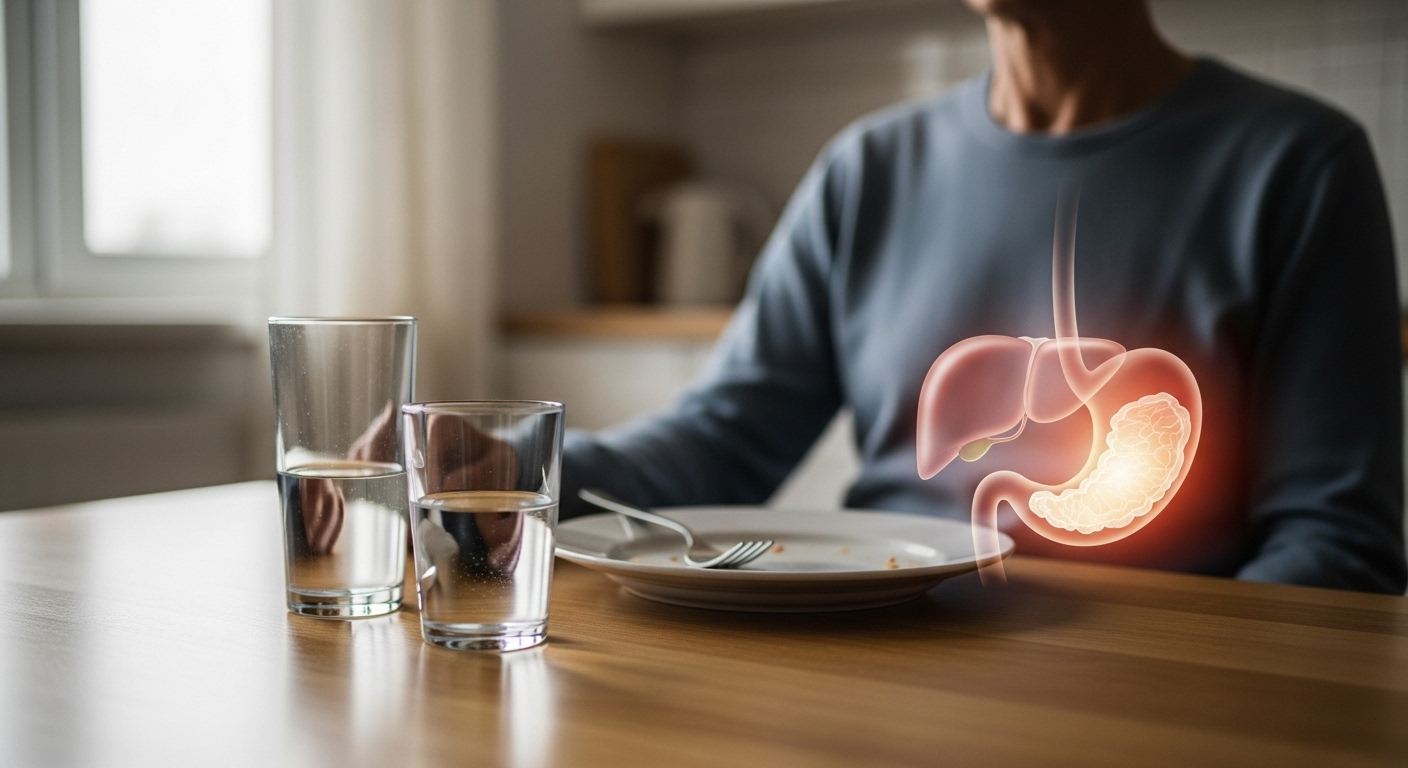
The first sip of alcohol may feel like it goes straight to your head, but what actually happens inside your body is far more complex and surprisingly organized. I often hear people say they want alcohol out of their system fast, yet few truly understand how the body naturally handles it. Once you do, it becomes easier to make smarter choices about drinking, recovery, and your health overall.
The stomach and intestines start absorption quickly
As soon as you take a drink, alcohol begins its journey through your body. A small amount is absorbed directly through the stomach lining, but most of it moves into the small intestine where absorption happens much faster.
Why food makes a difference
If you have eaten before drinking, alcohol absorption slows down. Food acts like a buffer, giving your body more time to process alcohol instead of letting it rush into your bloodstream. This is why drinking on an empty stomach often feels stronger and hits faster.
The bloodstream carries alcohol everywhere
Once alcohol enters your bloodstream, it spreads throughout your body. This includes your brain, muscles, and organs, which explains why alcohol affects coordination, judgment, and mood.
At this stage, many people ask if there is a quick way to flush alcohol out. While hydration and rest help you feel better, the body still needs time to do the real work. If you are curious about realistic and safe ways your system clears alcohol, exploring how to get alcohol out of your system naturally can give you a clearer picture of what actually helps and what does not.
The liver does most of the heavy lifting
Your liver is the main organ responsible for breaking down alcohol. It uses enzymes to convert alcohol into acetaldehyde, a toxic substance, and then into acetate, which is eventually broken down into water and carbon dioxide.
Why time matters more than tricks
The liver can only process a limited amount of alcohol per hour. This means no amount of coffee, cold showers, or energy drinks will speed things up. As one medical expert famously said, "Time is the only true sobering agent." Understanding this can help you avoid risky decisions based on myths.
The lungs and kidneys help with elimination
While the liver does most of the work, small amounts of alcohol leave your body through your breath, sweat, and urine. This is why breathalyzers work and why you may notice a strong smell after drinking.
Hydration supports kidney function, helping your body flush out byproducts more efficiently. Still, this process plays a minor role compared to liver metabolism, so it should not be mistaken for a shortcut to sobriety.
The brain gradually returns to balance
Alcohol affects neurotransmitters in the brain, slowing some signals while overstimulating others. As alcohol levels drop, your brain works to restore balance, which can leave you feeling tired, anxious, or foggy.
According to public health research and substance use surveys published by niaaa.nih, the brain needs adequate time without alcohol to fully recover, especially after repeated or heavy drinking. This explains why spacing out drinks and taking alcohol free days can make such a noticeable difference in how you feel.
How individual factors change the process
Your age, weight, sex, genetics, and overall health all influence how your body processes alcohol. Someone else may feel fine after two drinks while you feel it strongly, and neither of you is doing anything wrong.
This is why listening to your body matters more than keeping up with others. Alcohol processing is personal, not competitive.
Final thoughts
Alcohol leaves your system through a steady, predictable process that your body manages every time you drink. There are no instant fixes, but there are smarter habits that support your natural detox system.
When you understand how your body processes alcohol, you are better equipped to drink responsibly, recover safely, and protect your long term health. Sometimes the most powerful choice is not rushing the process, but respecting how your body already knows what to do.

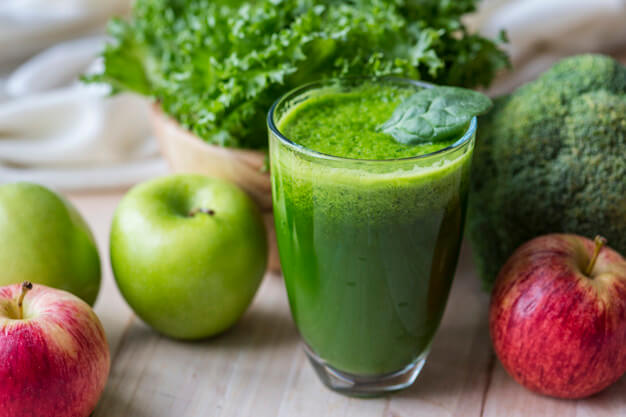
Read this article to learn about 4 delicious detoxing foods that can clean your body from within in simple and superb ways!
We have a bonus detox food also.


It's worth taking care of your apartment and create a pleasant atmosphere encouraging you to act.
A few changes can make us gain a completely new apartment!There is no need to buy expensive furniture or accessories.
It is worth to paint them every few years, thanks to that we will gain a completely new interior.
Bright colours in the interior will make it more spacious and clean.
Thanks to this solution we can go crazy with colorful accents.
Change the colour, add some interesting upholstery or change the handles.