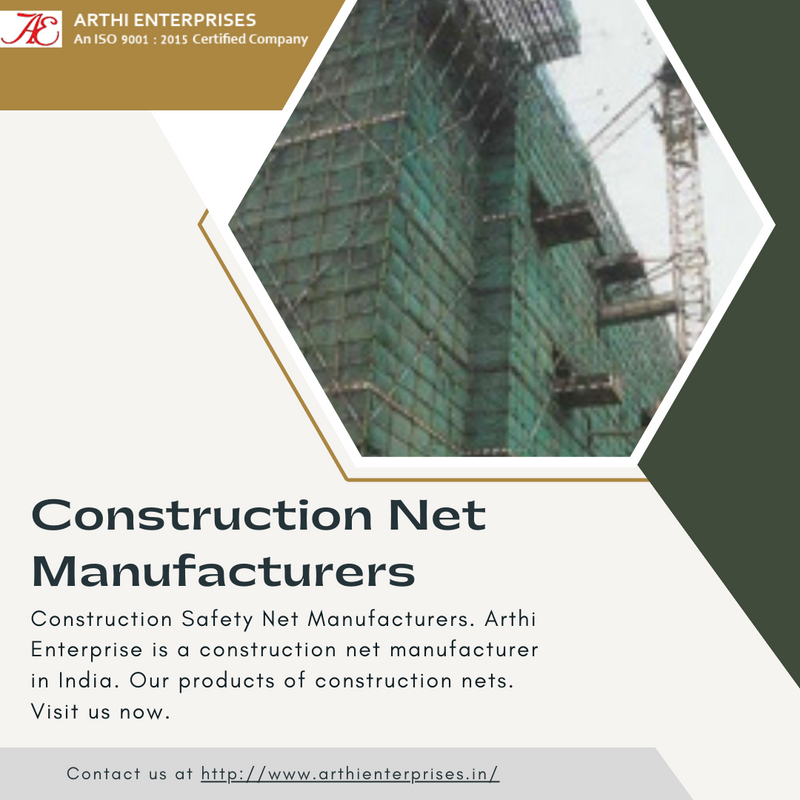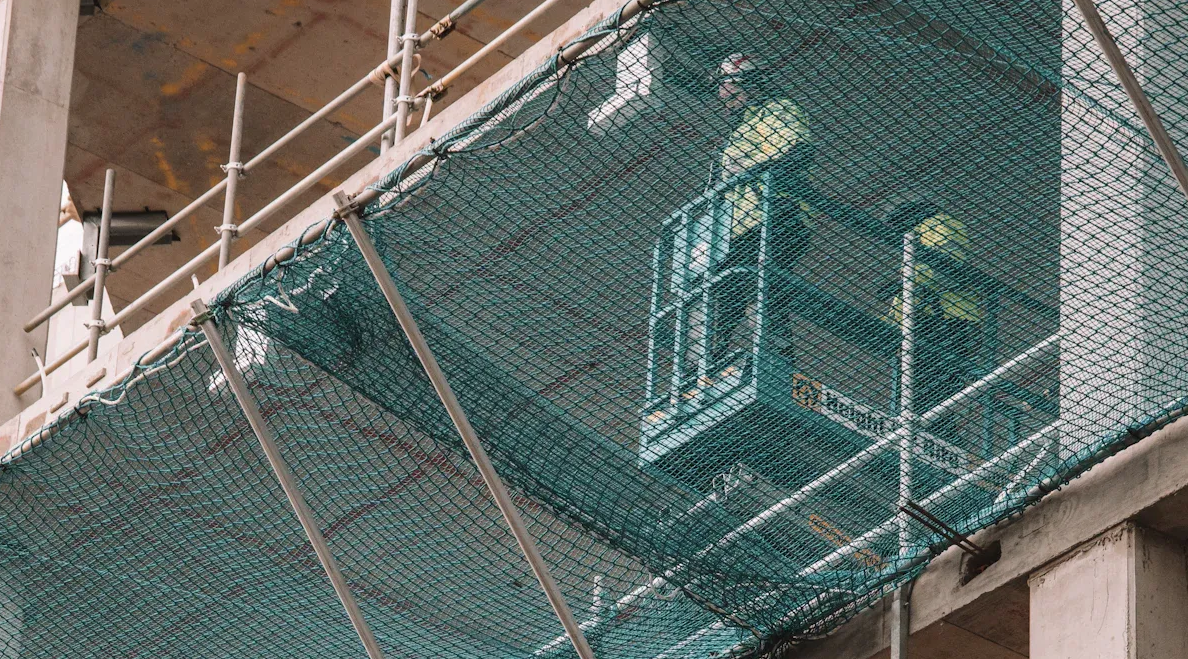
A safety net is more than just woven material — it’s a frontline defense on construction sites that protects workers at height and prevents falling objects from injuring people below. In the Philippines, construction safety nets are now mandatory on many projects to reduce risk and uphold workplace safety standards. With quality safety nets like the raschel and knotless netting offered by Fabrimetrics Philippines Inc., contractors can safeguard personnel, tools, and materials while complying with regulations and improving site efficiency. This article explores what safety nets are, how they work, the differences between net types, and why choosing the right netting supplier matters for a safer jobsite.
Safety Net: The Invisible Guardian on Every Construction Site
On any bustling construction site, one thing stands out above all else — safety isn’t optional. From towering high-rises to bridge work and elevated platforms, workers routinely operate at heights. A slip, a misstep, or a dropped tool can have serious, even fatal, consequences. This is where a safety net, often called a construction net, steps in — acting as a protective shield that catches people and objects before they fall too far. Safety nets have become a standard requirement in many building regulations around the Philippines due to their life-saving role in construction projects.
At its simplest, a safety net is a strong mesh system installed below work levels. It’s designed to limit fall distance, dissipate impact energy, and prevent injuries from falls or falling debris. Whether you’re a contractor, site supervisor, or project owner, understanding safety nets is essential for both legal compliance and human protection.
What Does a Safety Net Do?
Safety nets serve two core purposes:
1. Protect People Working at Height
Working at elevation — be it scaffolding, formwork, or platforms — always carries risk. If a worker slips, the safety net catches them before they hit the ground or lower structures. By limiting fall distance and absorbing impact energy, a safety net significantly reduces the severity of injuries.
2. Catch Falling Tools and Debris
It’s not only people who can fall — tools, materials, and debris often tumble from elevated positions. A quality safety net catches these items, protecting workers below, site visitors, and even pedestrians near the work zone.
Types of Construction Safety Nets
At Fabrimetrics Philippines Inc., construction net come in two main types: raschel netting and knotless netting — each with its own strengths and ideal applications.
✔ Raschel Netting – Strong, Stable, Non-Stretch
Raschel nets are made using a warp knitting process where yarn zigzags along the length of the netting. The key advantage is minimal stretch, offering rigidity and dependable strength. This makes raschel nets ideal for general construction sites where structural stability and consistent spacing are crucial. The fabric doesn’t deform significantly under load, which helps maintain protection performance.
Raschel netting has become increasingly popular in Philippine construction for its balance of durability and performance — making it one of the most commonly specified safety net types on projects.
✔ Knotless Netting – Flexible and Durable
Knotless nets are woven rather than knitted. Because there are no knots, these nets are flexible and easily adjustable — bending and moving without compromising their strength. The absence of knots helps distribute load across the strands more evenly, which can improve durability in dynamic work environments.
For added longevity, knotless netting often receives pre-weaving coating treatments to protect the strands from abrasion, UV exposure, and wear. This makes it an excellent option for sites where nets may be relocated or resituated frequently.
Why Construction Safety Nets Are Required
Safety is a core priority on construction sites everywhere, and the Philippines is no exception. Safety nets are often mandated by workplace regulations to reduce accidents and ensure worker protection. Beyond legal compliance, nets demonstrate a company’s commitment to worker welfare — showing clients, inspectors, and workers alike that safety comes first.
A properly installed safety net can mean the difference between a minor incident and a major injury. By intercepting falling materials and personnel, netting reduces potential downtime, workers’ compensation claims, and costly project delays.
Choosing the Right Safety Net for Your Project
Safety nets aren’t one-size-fits-all — the right choice depends on site conditions, fall distances, and how the net will be installed. A few considerations include:
✔ Mesh Size and Strength
Smaller mesh openings help prevent smaller debris from slipping through, while larger mesh is lighter and easier to handle. The fabric’s tensile strength must match the expected loads — both from human falls and falling equipment.
✔ Material and Coating
Netting materials vary in UV resistance, abrasion tolerance, and weather performance. Coated yarns and weather-treated nets last longer and require less frequent replacement.
✔ Installation Environment
Some sites have tight spaces, irregular layouts, or changing work zones. In these cases, flexible, knotless netting might be ideal for adaptation and repositioning.
A good supplier should be able to help match net specifications with project needs — from everyday building sites to more complex industrial jobs.
Why Source Directly from a Quality Supplier
Going straight to a manufacturer like Fabrimetrics Philippines Inc. helps you get competitive pricing, reliable product quality, and expert guidance for your safety net needs. With over decades of experience in engineered fabrics, they understand the demands of Philippine construction environments and provide nets that meet local safety expectations.
Direct suppliers can often customize net sizes, recommend installation tips, and offer technical support — all of which make safety planning easier and more effective. Instead of generic solutions, you get products tailored to the way your jobsite actually works.
Installation and Maintenance Tips
A safety net only works if it’s installed right. Here are practical, human-tested tips that contractors rely on:
• Assess the fall distance to determine how low the net must be placed.
• Secure anchor points tightly before attaching netting.
• Inspect nets regularly for frays, loose edges, or UV degradation.
• Replace worn sections promptly to maintain full protective performance.
• Follow manufacturer recommendations on tension, spacing, and load limits.
Routine checks prevent failures before they happen.
Final Thoughts
When you step back and think about it, a safety net is about people and responsibility. It’s a simple piece of equipment with an immense impact — protecting lives, preventing injuries, and keeping workplaces safer every day. Whether you’re managing a high-rise project, building infrastructure, or working on an industrial site, a quality safety net should be a core part of your safety strategy.