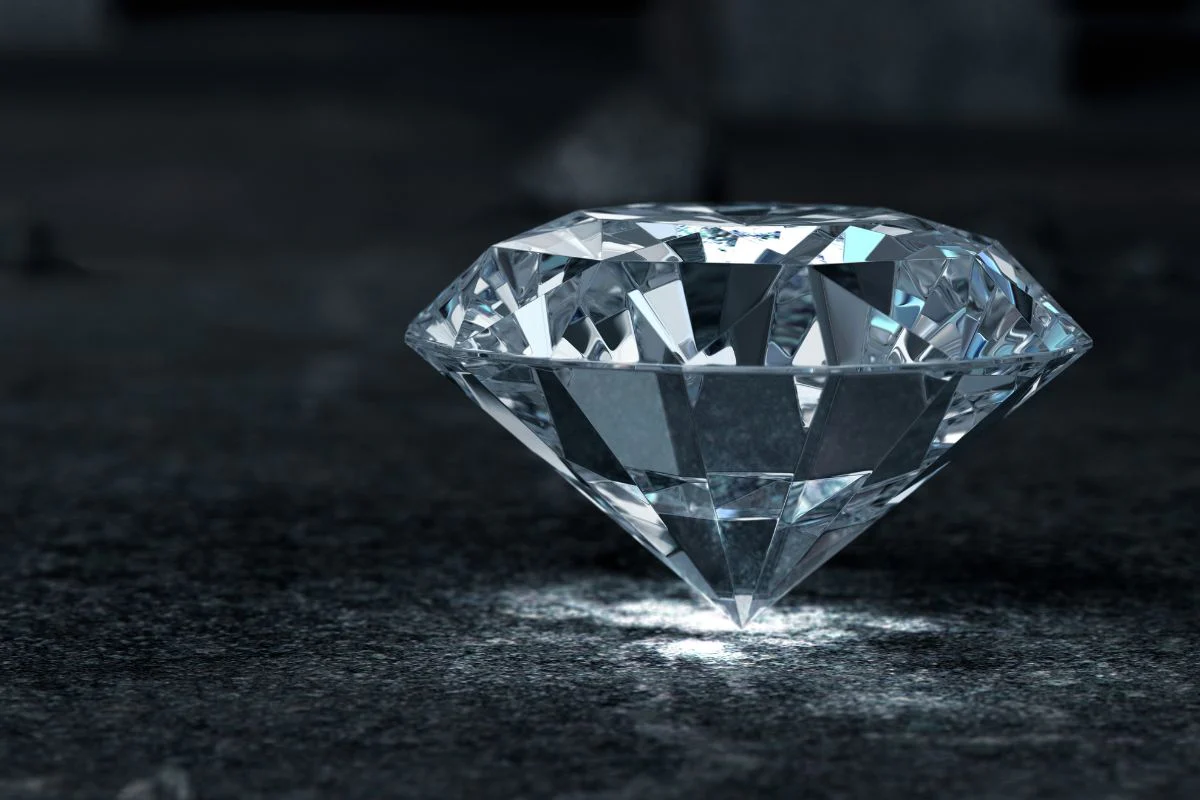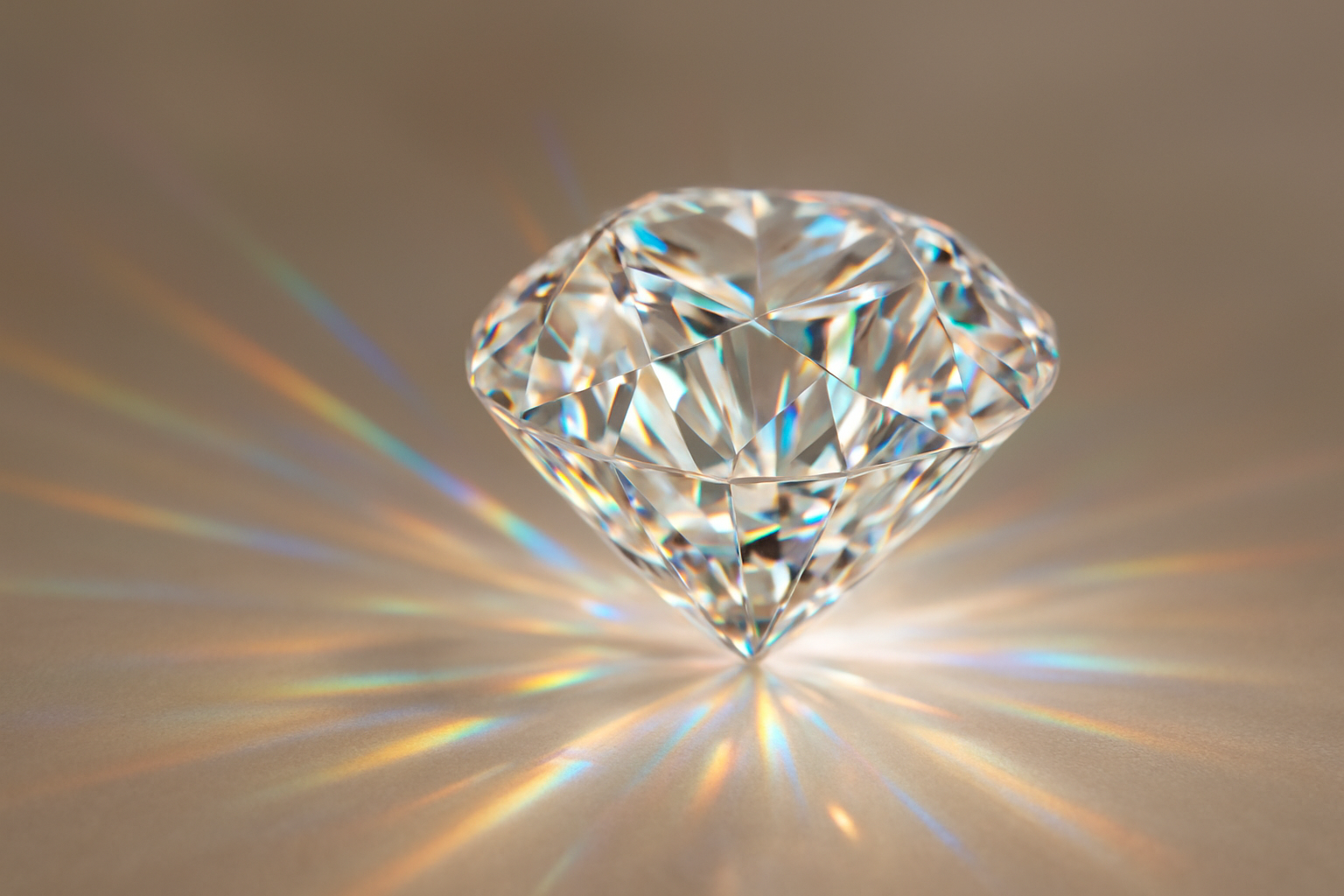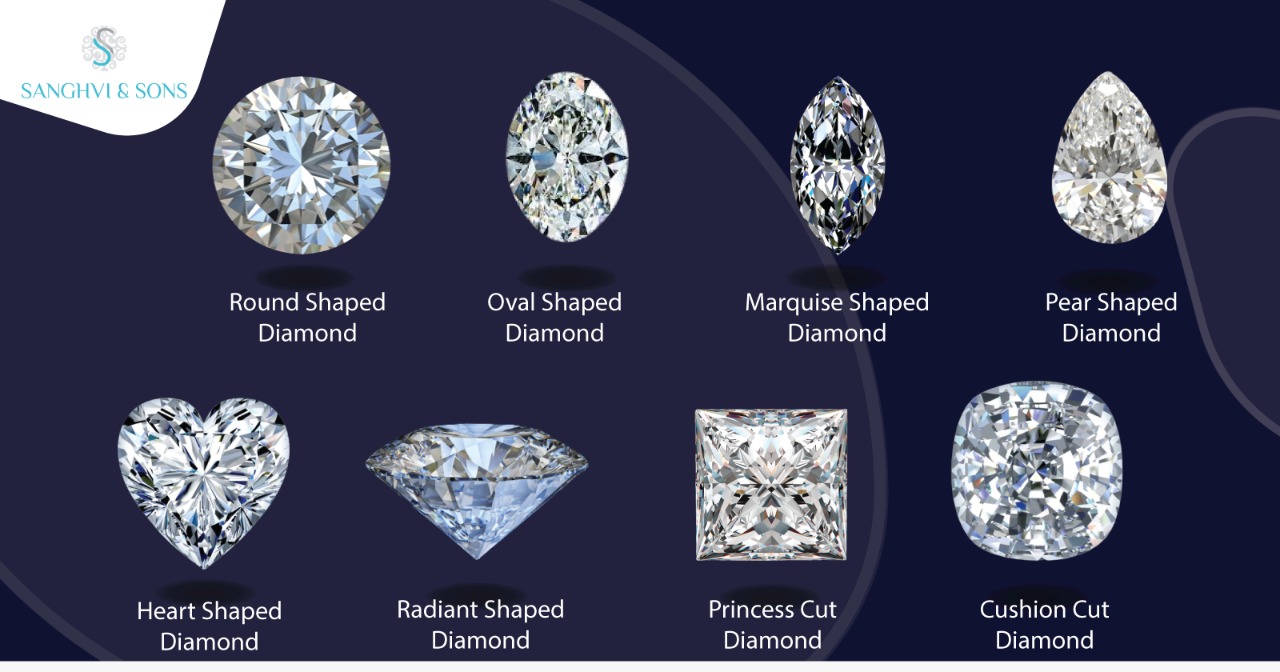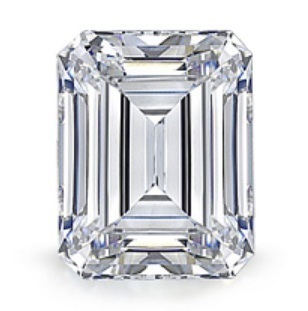


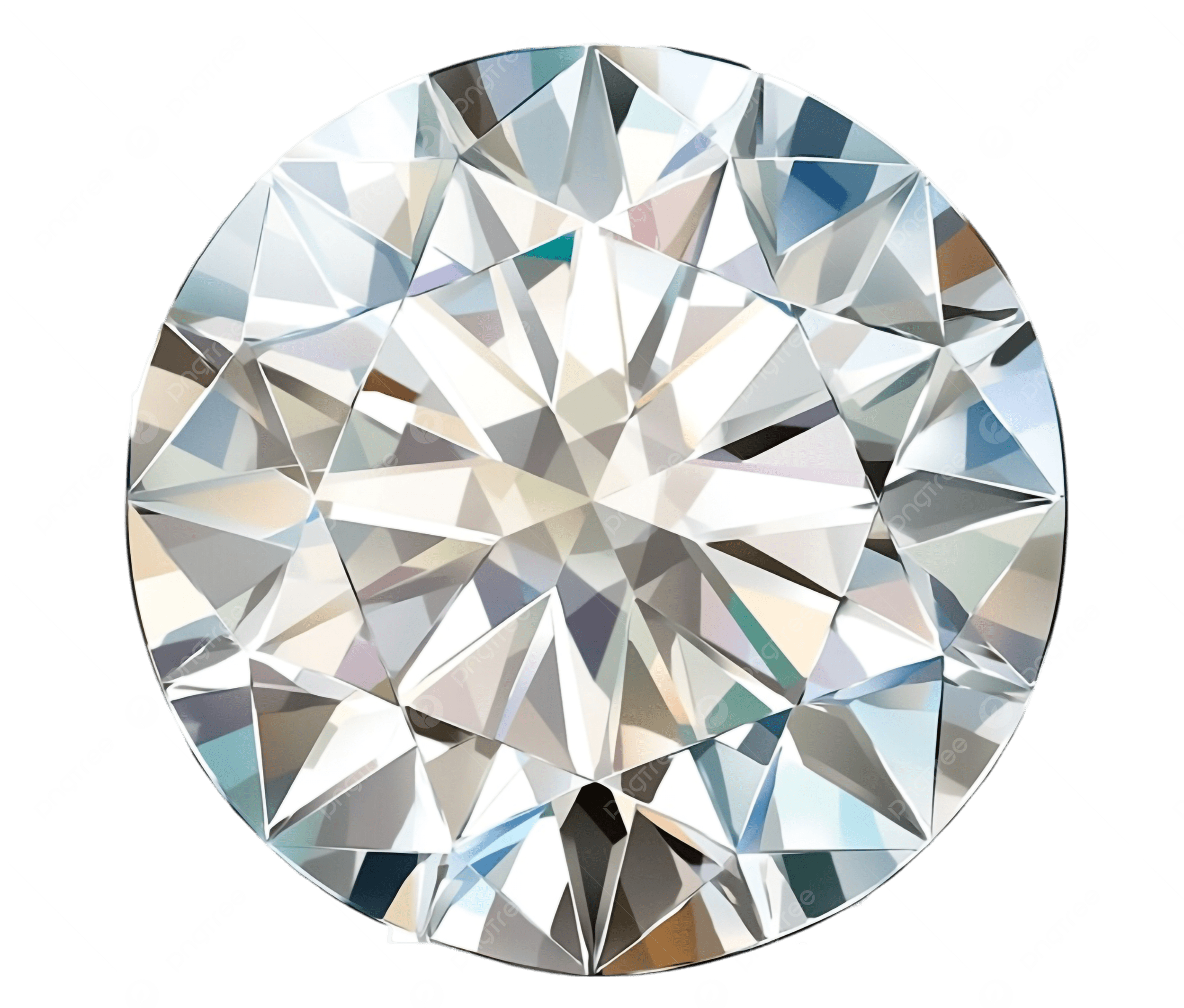
Light reflection pattern refers to how brightness and contrast distribute across a diamond’s surface. Beyond carat, clarity, or even table percentage, reflection pattern determines whether a stone appears crisp, balanced, and alive.
A diamond can meet proportion benchmarks yet still lack visual harmony if reflection pattern is unstable.
Balanced Contrast: Bright and Dark Zones
A well-cut diamond displays intentional contrast.
You should see:
Even distribution of bright areas
Defined dark zones forming structured pattern
No large dull patches
No uneven quadrants
Contrast is essential. Without dark zones, brightness appears flat. Without brightness, the stone appears lifeless.
Pattern balance creates depth.
Even Brilliance Across the Table
The table facet acts as a window. Reflection should remain evenly distributed from center outward.
Warning signs include:
One side brighter than the other
A washed-out center
Overly dark table area
Inconsistent arrow thickness
Symmetry and pavilion alignment heavily influence these outcomes.
Even brilliance supports long-term visual satisfaction.
Pattern Stability in Motion
Diamonds are worn in motion, not under static showroom lighting.
During tilt testing:
Rotate slowly under neutral light.
Observe if bright areas fade evenly.
Confirm contrast remains structured.
Check if sparkle rhythm feels balanced.
Unstable reflection patterns create chaotic sparkle rather than refined scintillation.
Controlled rhythm signals precision cutting.


Visual Clarity vs Optical Noise
Overly fragmented reflections may appear “busy.” Excess micro-faceting or poor alignment can produce optical noise.
Refined diamonds show:
Structured arrows pattern
Consistent flash size
Stable light rhythm
Crisp facet boundaries
Optical clarity is not about intensity alone. It is about coherence.
Long-Term Appeal and Value
Reflection pattern influences perceived quality more than minor clarity upgrades.
Over time, buyers notice:
Stable contrast
Even brightness
Balanced sparkle
These qualities remain consistent across lighting environments.
Cut harmony defines optical identity.
FAQ
What is a light reflection pattern?
It is the structured distribution of bright and dark zones across the diamond.
Does reflection pattern affect sparkle?
Yes. It controls balance and rhythm.
Can a diamond be bright but poorly patterned?
Yes. Brightness alone does not ensure structure.
Is arrows pattern related to reflection?
Yes. It reflects symmetry and alignment.
Does clarity influence reflection pattern?
Not directly. Cut precision has greater impact.
How do I test reflection stability?
Rotate the diamond under neutral light and observe contrast consistency.
Are grading reports enough to judge pattern?
Reports help, but visual evaluation is essential.
What matters most for optical clarity?
Balanced contrast and stable symmetry.