Introduction
Damage caused due to pipe burst, leakage in appliances, roof cracks and flood can be reasons for homeowners filing water damage insurance claims. Water leakage is not always dramatic, sometimes it might start with water dripping behind the walls, molds and structural damage. Regardless of the causes, it is important for homeowners to act factually, prepare proofs and documents for filing the insurance and follow the policy guidelines. Many claims remain unclaimed or are denied due to incomplete documents, proofs or homeowners delaying the claim.
Knowing how to recognize water damage, understanding your insurance coverage and taking the right steps before filing a water damage insurance claim can make a difference in smooth settlements and claim rejection. It is important to understand the correct measures to take for avoiding common mistakes and to protect your home as well as your insurance payout.

Recognizing where water damage have occured
Water leakage can occur in any part of your home. It is important to identify it before it leads to structural damage. The damage can happen due to disasters or during any repair. If it is avoided, it can trigger unaffected parts as well. Some of the common reasons and areas of damage could be:
- Bathroom and kitchen: Leakage in pipelines, water overflowing and a fault in drainage
- Laundry rooms: Washing machine hose damage
- Basement: Groundwater seepage and pump failure
- Roofs: Storm damage, ice dams
- Water heater: Corrosion
Unnoticed water damage can be more dangerous as it results in major damage in the future. Mold stains on walls, warped floors, peeling of paint, musty odors and unexplained increase in water bills are some signs indicating immediate attention to the leaks. The sooner water damage is addressed, the easier it is to support a valid water damage insurance claim.
Understanding insurance coverage for water damage
It is important to understand all the terms and conditions included in the insurance policy as not all water damage is treated equally in home owner insurance policy. Damage coverage depends on how the water damage has occurred and whether it is sudden or consistent. Usually the standard homeowner insurance policy covers:
- Sudden and accidental water damage
- Pipe bursts
- Water overflow from appliances
- Damage caused due to natural disaster
- Roof leakage
These insurance policies do not approve the claim if the damage is caused by:
- Flooding because is need seperate flood insurance
- Long-term leakage
- Poor maintenance and repair
- Groundwater seepage
Understanding your policy language and hidden clauses before filing the water damage home insurance is necessary. Insurance companies often use technical wording, complex terms and hidden clauses that limit the payout. Because of reasons like this, homeowners turn to public adjusters for professional guidance.
Types of water damage and policy inclusions
Depending on the amount of loss and insurance policy terms, water damage can be classified in 3 typers. Each damage has different effects which affects the coverage and claim handling.

Category 1- Clean Water: Damage from a broken supply line and rainwater. If the damage is caused accidentally it needs to be reported on time to get it approved under standard property policies. The insurance companies expect quick action to stop the damage source, as delays can lead the clean water to turn into contaminated water. Delayed insurance filing may reduce the payouts or reject the claim.
Category 2- Gray Water: Gray water contains some level of contaminants that usually come from appliances or plumbing fixtures such as washing machines, dishwashers, sinks, or shower drains. If untreated, it can escalate to black water and significantly increase repair costs and complicate the claim. Insurers may require professional cleanup and sanitization to approve repairs.
Category 3- Black Water: Black water is highly contaminated and presents serious health hazards. The damage sources include sewage backups, flood waters and river overflow, which carries harmful toxic substances with it. Water leak damage insurance claims that involve black water are complex and restrictive. Many standard property policies do not cover these types of damages unless the policyholder has any specific endorsement like sewer backup or flood insurance. The remediation involves extensive demolitions, disposal of affected materials and specialized cleaning protocols. Keeping the health risk factor in mind, insurers closely scrutinize these claims and hire licensed professionals for cleanups.
Beyond the source of water, policies may often outline limitations of the coverage that affect the claim outcome.
- Mold remediation can be excluded unless the mold results directly from a covered water loss.
- Some policies might cover drying equipment and moisture control but others might limit the reimbursement.
- In temporary housing it the property becomes uninhabitable, the policy may only cover hotel stays or rental costs for a limited duration
- Flood and sewer backup damage coverage is not included in the basic policies, they require add-ons.
Understanding how water damage is classified and what your policy actually includes can help in setting realistic expectations during a claim. Immediate reporting and knowing your endorsements can make the difference between a smooth settlement and unexpected costs
Do’s and Don’ts before filing a water damage insurance claim
Do’s:
- Take immediate action to prevent further damage
- Collect appropriate proof and evidence to support the insurance claim
- Review the terms and conditions in the policy carefully.
- Keep the damaged area untouched until settlement
- Get professional inspections by an adjuster for fair claim
Don’ts:
- Delay reporting the damage
- Throw away damaged items prematurely
- Admit fault or speculate on causes
- Accept the first settlement offer without review
- Handle complex claims alone if damage is extensive
Insurance companies reject claims due to simple mistakes made in the first 24 to 48 hours. Most people handle the damage by themselves before reporting which results in too many complications in the claiming process.
Filing a Homeowners Claim for Water Damage
When filing a homeowner's claim for water damage, the insurance company will assign an adjuster to evaluate the loss. Remember: this adjuster works for the insurer, not for the policyholder. Their estimate may:
- Undervalued repairs: The adjuster may use low cost materials or outdated pricing, which can result in an estimate that doesn’t cover the full cost of proper repairs.
- Exclude hidden moisture damage: Damage behind walls, under floors, or inside ceilings may not be visible during inspection and can be left out of the estimate.
- Ignore code upgrades: Required building code updates may be excluded, even though they are necessary to complete repairs legally and safely.
- Minimize mold risks: Early signs of mold or conditions that cause mold growth may be overlooked, leading to future health and repair issues.
A public adjuster from Advocate Public Adjustment conducts an independent inspection, prepares a detailed damage estimate, and negotiates on behalf of policyholders directly with the insurance company to ensure nothing is overlooked. This professional advocacy helps in receiving fair settlements.

How to avoid having a denied water damage claim
Preventing a denial starts with the preparation of filing insurance with complete documents and supporting them with proper evidence and professional guidance from an insurance adjuster. To avoid denial:
- Report damage immediately: Contact your insurance company as soon as you notice the water damage. Quick reporting helps establish the cause and timeline.
- Go for temporary repair: Take steps to stop further damage, but avoid permanent repairs until the claim is reviewed. Over-repairing can limit coverage.
- Document thoroughly and consistently: Take photos and videos at every stage and keep records of all communication and expenses. Strong documentation supports your claim.
- Avoid recorded statements without advice: Recorded statements can be used to limit or deny coverage. Get professional guidance before giving one.
- Review settlement offers carefully: Do not accept the first offer without checking if it covers all repairs and related costs.
- Work with a licensed public adjuster: A public adjuster works for policyholders and not for the insurer. They can help maximize and protect your claim.
Conclusion
Water damage insurance claims can be overwhelming, but taking early action can protect both your home and your financial recovery. Immediate action, proper documentation, and a clear understanding of your insurance policy are critical to avoiding claim delays or denials. Recognizing the type and source of water damage, following claim guidelines, and avoiding common mistakes can significantly improve claim outcomes. When losses are complex, working with a licensed public adjuster can help ensure a fair evaluation and settlement, giving homeowners confidence throughout the claims process.

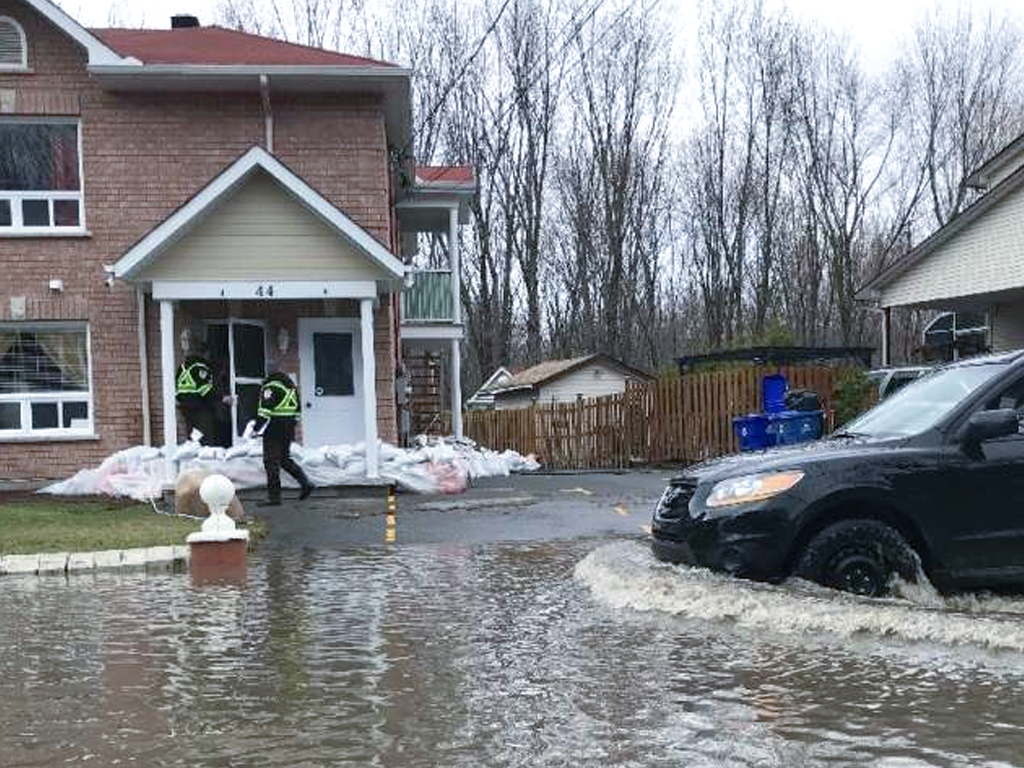
Damage caused by the sudden water flow into a house can get very messy and cause you more trouble than you imagine.
While living in an area prone to get affected by such water-based damages, a secure insurance policy should be taken for the same.
Many a time, for any regular person, it may get challenging to figure out whether the insurance policy covers the water damage claim.The standard home insurance policies that are availed of commonly cover only the sudden and internal entry of water and the damage caused by it, and the water should not have touched the ground outside the house.
Damage caused to the building due to lack of maintenance or sheer neglect in taking care of the property is usually exempted from the insurance policies.
For those who are wondering whether plumbing issues or broken pipes are covered?
If not taken care of properly, the continuous moist environment might lead to mould accumulation, which is also usually not covered in the standard policies taken by the regular people without any consultation, which they might easily miss out and suffer unnecessarily because of this minor ignorance, leaving them to bear the expenses all by themselves.