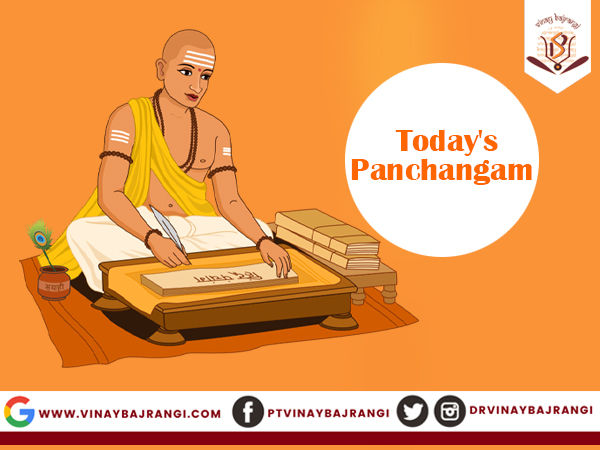


If you truly want to understand Indian astrology (Jyotish), you cannot skip Panchang. It is not just a calendar. It is not just a religious almanac. Panchang is the astronomical and astrological time-measurement system that connects cosmic movements with human life on a daily basis.
In traditional Indian thought, time is not neutral. Time carries qualities. Some moments support growth, some demand caution, and some are spiritually charged. Panchang tool that decodes those qualities.
The word Panchang comes from two Sanskrit terms:
Pancha = five
Anga = limbs or components
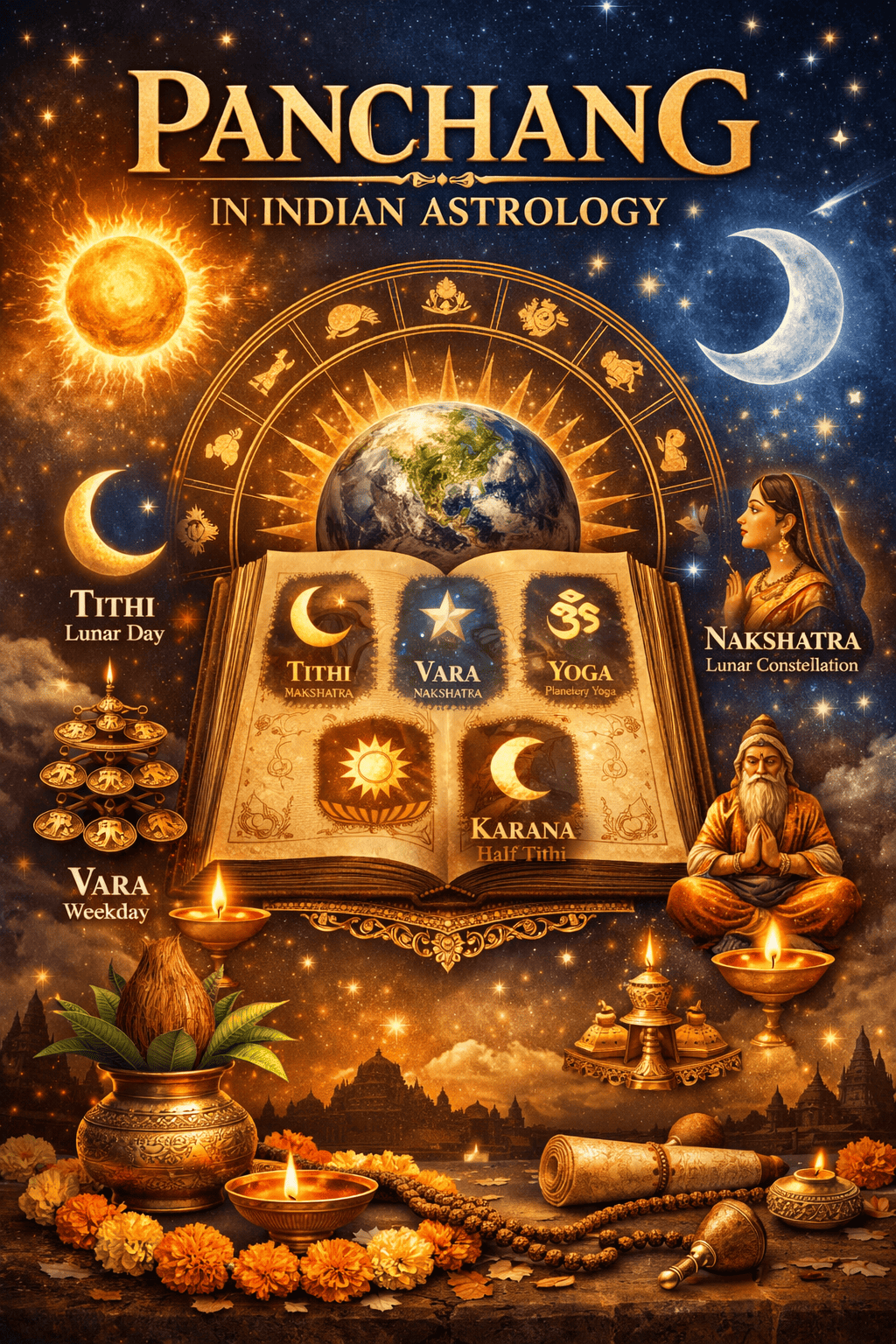
So Panchang literally means “five limbs.” These five limbs are:
Tithi (lunar day)
Vara (weekday)
Nakshatra (lunar constellation)
Yoga (a specific angular relationship between Sun and Moon)
Karana (half of a tithi)
These five elements together describe the energetic signature of any given moment.
To understand Panchang deeply, we must explore its astronomical basis, its astrological logic, its spiritual application, its role in daily life, its use in Muhurat selection, and its integration into predictive astrology.
Let’s go step by step.
The Astronomical Foundation of Panchang
Before discussing astrology, we must understand the astronomy behind Panchang. Indian astrology is fundamentally astronomical. It tracks the actual positions of the Sun and Moon in the zodiac.
The Panchang is primarily lunar-based but synchronized with solar motion. The Moon plays the central role because:
The Moon moves fastest among visible planets.
It governs the mind (Manas) in Vedic astrology.
It reflects emotional and psychological cycles.
It directly affects tides, biological rhythms, and human mood patterns.
Panchang measures the angular relationship between the Sun and Moon. Almost all five limbs derive from this relationship in some way.
The zodiac used in Indian astrology is the sidereal zodiac (Nirayana system), which tracks constellational alignment rather than the tropical system used in Western astrology.
Thus, Panchang is not symbolic in origin. It is mathematical and astronomical.
Why Panchang Is So Important in Indian Culture
Panchang is deeply integrated into Indian life. It is consulted for:
Housewarming ceremonies
Business openings
Naming ceremonies
Travel planning
Festivals
Fasting days
Spiritual rituals
Agricultural activities
Even today, in many traditional families, no major event is finalized without consulting Panchang.
Why?
Because Indian time philosophy is qualitative. Every day has a different energetic tone.
Panchang tells you:
Is today emotionally stable?
Is today good for wealth matters?
Is today good for spiritual practices?
Is today risky for confrontation?
Is today supportive for partnerships?
It is essentially a daily cosmic weather report.
The Five Limbs of Panchang in Detail
Now let us deeply examine each of the five components.
1. Tithi – The Lunar Day
Tithi is the most important limb of Panchang.
A Tithi is defined by the angular distance between the Sun and the Moon. Every 12 degrees of separation creates one Tithi.
There are 30 Tithis in a lunar month:
15 in Shukla Paksha (waxing Moon)
15 in Krishna Paksha (waning Moon)
The Moon completes a full 360-degree cycle relative to the Sun in about 29.5 days, creating these 30 Tithis.
Each Tithi carries a specific psychological and energetic quality
Types of Tithis
Tithis are classified into five categories:
Nanda (joy-giving)
Bhadra (auspicious)
Jaya (victory-oriented)
Rikta (empty, not ideal for beginnings)
Poorna (completion-oriented)
For example:
Ekadashi is spiritually powerful.
Amavasya is introspective.
Purnima is emotionally heightened.
Tithi influences:
Emotional state
Spiritual receptivity
Ritual effectiveness
Mental clarity
In Muhurat astrology, Tithi is extremely important. Certain Tithis are avoided for marriage, while others are preferred.
2. Vara – The Weekday
Vara simply means weekday. There are seven:
Sunday (Sun)
Monday (Moon)
Tuesday (Mars)
Wednesday (Mercury)
Thursday (Jupiter)
Friday (Venus)
Saturday (Saturn)
Each day is ruled by its planetary lord.
The nature of the planet influences the day.
For example:
Thursday is good for education and wisdom.
Friday is favorable for relationships and luxury.
Tuesday is aggressive and action-oriented.
Saturday is karmic and disciplined.
In Panchang, Vara works in combination with Tithi and Nakshatra. A good weekday cannot override a very unfavorable Tithi.
3. Nakshatra – The Lunar Constellation
Nakshatra is one of the most powerful limbs of Panchang.
The zodiac is divided into 27 Nakshatras, each spanning 13 degrees 20 minutes
The Moon travels through one Nakshatra approximately every day.
Nakshatras are far more psychologically nuanced than zodiac signs.
For example:
Ashwini is fast and initiating.
Rohini is creative and fertile.
Magha is royal and ancestral.
Moola is transformative and destructive.
Revati is gentle and compassionate.
In Muhurat selection, Nakshatra is critical.
Certain Nakshatras are:
Good for marriage
Good for travel
Good for surgery
Not suitable for important beginnings
Nakshatra also determines birth star and plays a foundational role in horoscope analysis.
4. Yoga – The Combined Solar-Lunar Energy
Yoga is calculated by adding the longitudes of the Sun and Moon and dividing the total by 13 degrees 20 minutes.
There are 27 Yogas.
Each Yoga describes a subtle psychological and situational influence.
For example:
Siddhi Yoga supports accomplishment.
Vyatipata Yoga is considered unstable.
Shubha Yoga promotes harmony.
Atiganda Yoga may bring obstacles.
Yoga is often overlooked by beginners but is extremely important in classical astrology.
5. Karana – Half of a Tithi
Karana is half a Tithi (6 degrees of separation between Sun and Moon).
There are 11 Karanas:
4 fixed
7 repeating
Karana represents action-oriented energy. It tells whether practical tasks will move smoothly.
For example:
Bava Karana is good for beginnings.
Vishti (Bhadra) Karana is considered inauspicious for auspicious events.
Karana is especially important in Muhurat astrology.
Panchang and Muhurat (Electional Astrology)
Panchang is the backbone of Muhurat.
When selecting a marriage date, astrologers evaluate:
Tithi
Vara
Nakshatra
Yoga
Karana
Rahu Kaal
Abhijit Muhurat
Planetary positions
Dasha compatibility
Without Panchang, Muhurat cannot be calculated.
Rahu Kaal, Gulika Kaal, and Yamaganda
Daily Panchang also includes inauspicious time segments:
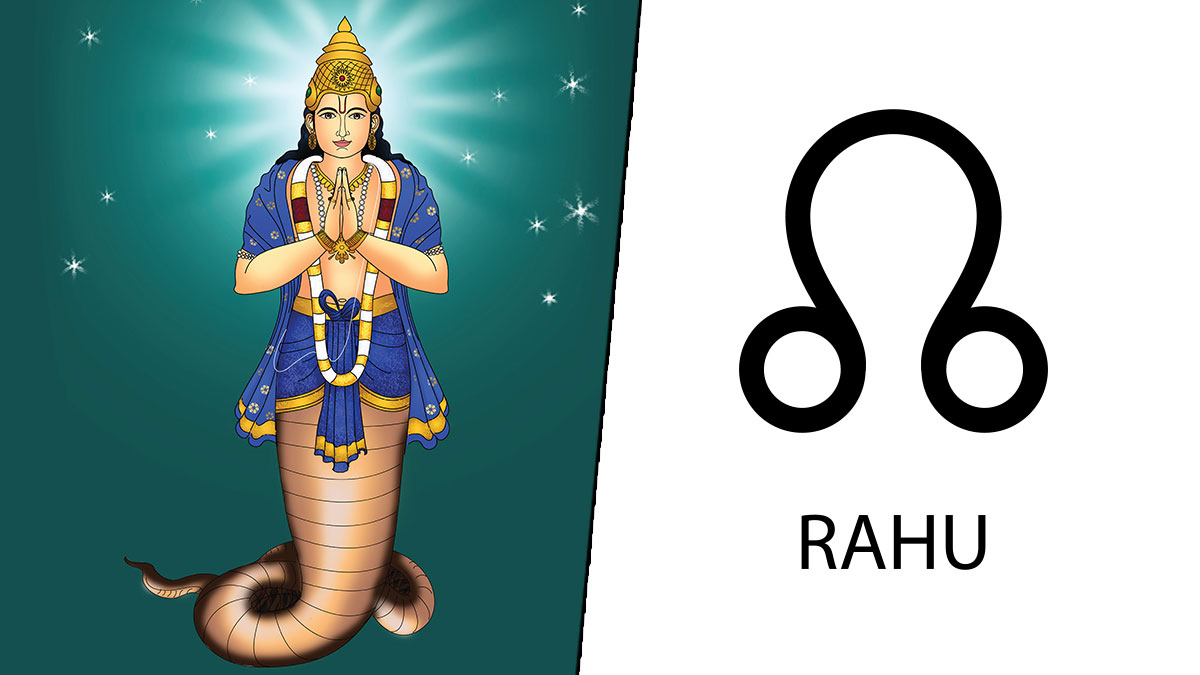
Rahu Kaal
Gulika Kaal
Yamaganda
These are time windows considered unfavorable for starting new ventures.
Even modern business owners sometimes avoid signing contracts during Rahu Kaal.
Panchang in Festival Determination
Indian festivals are determined using Panchang calculations.
For example:
Diwali falls on Amavasya of Kartik month.
Holi falls on Phalguna Purnima.
Navratri begins on Pratipada of Shukla Paksha.
If you remove Panchang, the entire Hindu festival system collapses.
Panchang and ersonal Horoscope
Panchang is not separate from birth chart analysis.
At the time of birth, astrologers record:
Birth Tithi
Birth Nakshatra
Birth Yoga
Birth Karana
Birth Vara
These influence personality traits.
For example:
A person born on Purnima may be emotionally expressive.
A person born in Moola Nakshatra may experience transformative life events.
Panchang and Spiritual Practice
Many spiritual disciplines depend on Panchang timing.
Ekadashi fasting is based on Tithi.
Certain mantras are recommended during specific Nakshatras.
Certain Yogas are considered spiritually elevated.
Time selection amplifies spiritual results.
Regional Variations of Panchang
There are different Panchang systems in India:
North Indian Panchang
Tamil Panchangam
Telugu Panchangam
Gujarati Panchang
The calculation methods differ slightly but the five limbs remain constant.
Scientific Perspective
From a scientific standpoint, Panchang tracks lunar phases and solar positions.
Modern psychology acknowledges lunar influence on human mood cycles. Tidal forces affect oceans; the human body is largely water.
While astrology’s interpretative layer is metaphysical, the astronomical calculations are precise.
Common Misconceptions About Panchang
Panchang is superstition – False. It is astronomically calculated.
Only priests need Panchang – Incorrect. Anyone planning major events can use it.
All bad days should be feared – Not true. Context matters.
Panchang overrides destiny – It does not. It optimizes timing.
How to Read a Daily Panchang
A standard Panchang entry shows:
Today’s Tithi
Today’s Nakshatra
Today’s Yoga
Today’s Karana
Sunrise and Sunset
Rahu Kaal timing
By combining these, an astrologer judges the day’s suitability.
Philosophical Depth of Panchang
Indian philosophy sees time as cyclical, not linear.
Panchang reflects this cyclical worldview
Every lunar month mirrors emotional cycles.
Every Paksha represents expansion and contraction.
Every Nakshatra reflects archetypal energy.
Thus, Panchang is both astronomical clock and spiritual compass.
Why Panchang Still Matters Today
Even in the digital age, Panchang apps are widely used.
Why?
Because people still feel that timing matters.
Launching a startup, getting married, moving abroad — timing influences psychology and collective energy.
Panchang provides a structured way to choose supportive timing.
Final Understanding
Panchang is:
A five-limbed time-measurement system.
A lunar-solar calendar.
A Muhurat selection tool.
A spiritual timing guide.
A cultural backbone of Indian festivals.
A psychological cycle tracker.
A bridge between astronomy and astrology.
It is not blind belief. It is a structured, mathematically derived system that maps cosmic movement to human activity.
If you truly want to understand Indian astrology, Panchang is not optional — it is foundational. Without Panchang, Jyotish loses its timing mechanism. With Panchang, time becomes intelligent.