Missing teeth can affect much more than your appearance. They can interfere with chewing, speech, confidence, and overall oral health. Fortunately, dental implant treatment offers a permanent and highly reliable solution for tooth replacement. Designed to look, feel, and function like natural teeth, dental implants are considered the gold standard in restorative dentistry.
In this detailed guide, we’ll explore the dental implant procedure, what to expect during recovery, and how to care for your implants long-term.
What Is a Dental Implant?
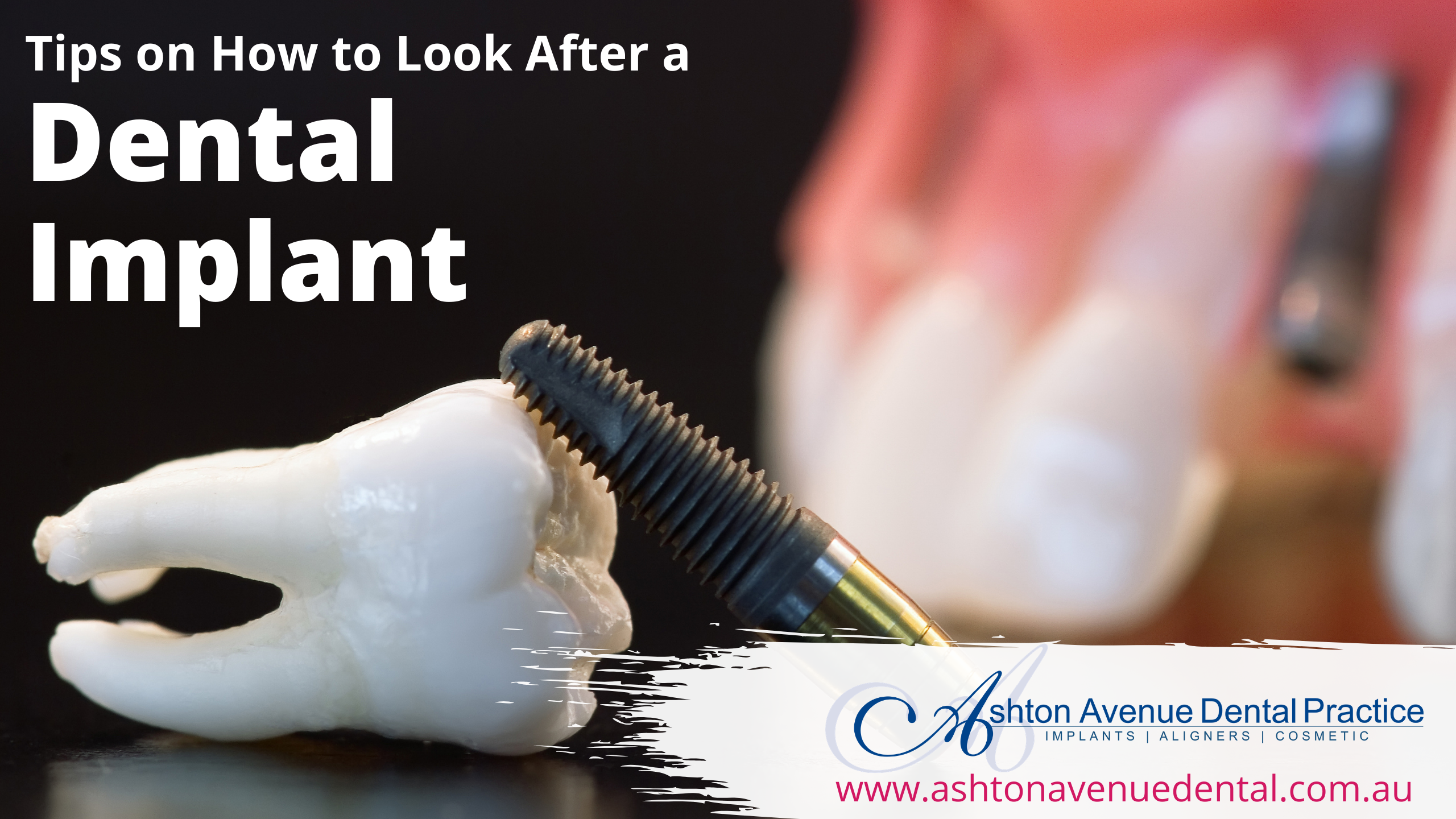
A dental implant is a small, biocompatible titanium post that is surgically placed into the jawbone to replace the root of a missing tooth. Once healed, it provides a stable foundation for a custom-made crown, bridge, or denture.
A complete dental implant consists of three main components:
Implant Post: The titanium screw inserted into the jawbone
Abutment: A connector that attaches to the implant post
Crown: The visible tooth replacement placed on top
Unlike dentures or traditional bridges, dental implants are fixed in place and do not rely on adjacent teeth for support. This makes them a strong, independent, and long-lasting solution.
Who Is a Good Candidate for Dental Implants?
Most healthy adults with missing teeth are candidates for dental implants. You may be suitable for treatment if you:
Have one or more missing teeth
Have healthy gums
Have sufficient jawbone density
Maintain good oral hygiene
Are in good general health
Even if you have experienced bone loss, procedures such as bone grafting can often prepare the jaw for implant placement. A thorough dental examination, including X-rays or 3D scans, will determine your eligibility.
The Dental Implant Procedure: Step by Step
Understanding the process can ease anxiety and help you prepare for treatment. Dental implant therapy typically involves multiple stages over several months.
1. Initial Consultation and Planning
Your dentist will evaluate your oral health, review your medical history, and take digital imaging scans. A personalized treatment plan is created to ensure optimal implant placement and long-term success.
2. Implant Placement Surgery
During the surgical procedure, the dentist places the titanium implant post into the jawbone under local anesthesia. The procedure is generally comfortable, and many patients report that it is less painful than a tooth extraction.
After placement, the gum is closed over or around the implant to allow healing.
3. Osseointegration (Healing Phase)
Over the next 3 to 6 months, the implant integrates with the jawbone through a process called osseointegration. This fusion creates a stable and durable foundation for the artificial tooth.
This stage is critical for the long-term success of the implant.
4. Abutment Placement
Once healing is complete, a small connector called an abutment is attached to the implant. This piece will hold the crown securely in place.
5. Crown Placement
Finally, a custom-designed dental crown is attached to the abutment. The crown is carefully matched to your natural teeth in color, shape, and size, restoring both appearance and function.
Recovery After Dental Implant Surgery
Recovery from implant surgery is typically smooth and manageable.
Common Post-Surgery Symptoms
Mild swelling of gums or face
Minor bruising
Slight discomfort
Light bleeding within the first 24 hours
These symptoms usually subside within a few days.
Tips for Faster Healing
Take prescribed medications as directed
Apply ice packs to reduce swelling
Eat soft foods for several days
Avoid smoking and alcohol
Maintain gentle but consistent oral hygiene
Most patients can resume normal daily activities within one to two days after surgery.
If you are considering dental implant treatment in Mulund East, understanding the complete procedure, healing timeline, and maintenance requirements can help you make an informed decision. At Dr. Roshan's Advanced Dental Clinic And Implant Center, patients receive personalized care and advanced implant solutions designed to ensure comfort, precision, and long-lasting results.
Benefits of Dental Implant Treatment
Dental implants offer significant advantages compared to other tooth replacement options.
Natural Appearance and Function
Implants closely mimic natural teeth, allowing you to eat, speak, and smile confidently.
Long-Term Durability
With proper care, dental implants can last decades or even a lifetime.
Bone Preservation
When a tooth is lost, the jawbone begins to shrink due to lack of stimulation. Implants stimulate the bone just like natural tooth roots, preventing bone loss.
Stability and Comfort
Unlike removable dentures, implants stay securely in place and eliminate slipping or clicking sounds.
Protection of Surrounding Teeth
Traditional bridges require adjacent teeth to be filed down. Implants do not affect neighboring teeth.
Long-Term Care for Dental Implants
Although implants cannot develop cavities, they still require proper maintenance to ensure healthy surrounding gums and long-lasting results.
Daily Oral Hygiene
Brush twice daily using a soft-bristled toothbrush
Floss daily to remove plaque around the implant
Use non-abrasive toothpaste
Consider a water flosser for better cleaning
Regular Dental Checkups
Visit your dentist every six months for professional cleanings and implant evaluations. Regular monitoring helps prevent complications such as peri-implantitis, an inflammatory condition affecting the gums around implants.
Healthy Lifestyle Habits
Avoid smoking, as it increases implant failure risk
Maintain a balanced diet
Wear a nightguard if you grind your teeth
Proper care significantly increases the longevity and success of your dental implants.
Possible Risks and Complications
Dental implant treatment has a success rate of over 95%. However, as with any surgical procedure, there are potential risks:
Infection at the implant site
Implant failure due to poor bone integration
Nerve irritation (rare)
Sinus complications in upper jaw implants
Choosing an experienced dental professional and carefully following aftercare instructions greatly reduces these risks.
How Long Do Dental Implants Last?
The implant post itself can last a lifetime with proper care. The crown may need replacement after 10 to 15 years due to normal wear and tear.
Factors that influence implant longevity include:
Oral hygiene habits
Overall health conditions
Smoking
Regular dental visits
When maintained properly, dental implants are one of the most durable restorative options available.
Are Dental Implants Worth It?
Although dental implants involve a higher initial investment compared to dentures or bridges, they provide unmatched stability, longevity, and oral health benefits. Many patients consider them a long-term investment in their comfort, confidence, and quality of life.
By restoring full chewing ability and preventing bone loss, implants support both oral and overall health.
Conclusion
Dental implant treatment is a safe, effective, and long-lasting solution for missing teeth. From the initial consultation to recovery and long-term care, understanding each stage of the process helps you feel confident in your decision.
With proper maintenance and regular dental visits, dental implants can provide a lifetime of natural-looking smiles and improved oral health.
If you are considering dental implant treatment, consult a qualified dental professional to determine the best plan for your needs.
Original Sources : - Dental Implant Treatment: Procedure, Recovery & Long-Term Care


What are the steps involved in the dental implant procedure?
Here in this video, we will guide you through the step by step process for missing teeth replacement.