


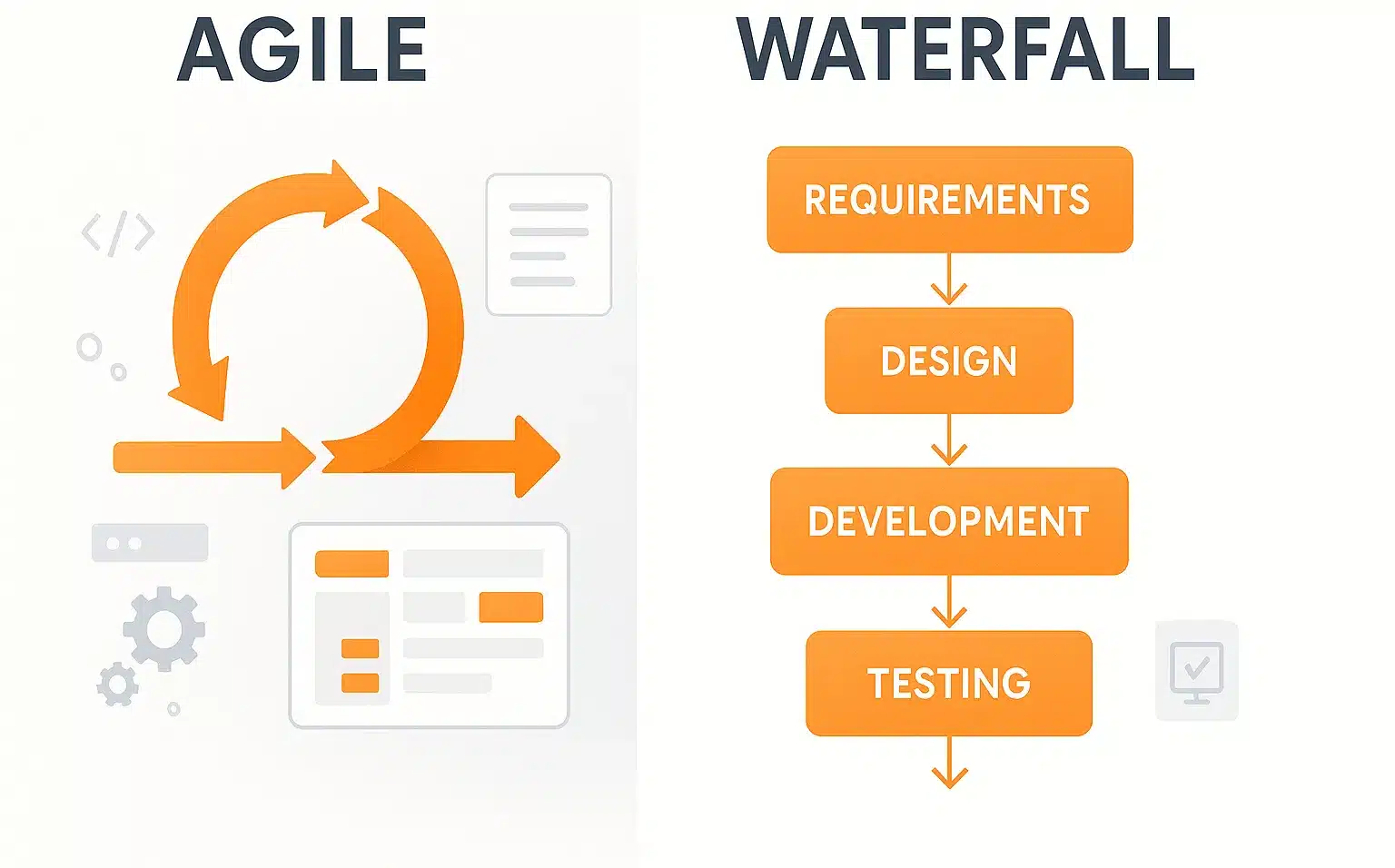
In the world of software engineering, methodology selection plays a critical role in determining project efficiency, product quality, and long term scalability. The discussion around Agile vs Waterfall remains central to modern project management because both frameworks offer distinct advantages depending on business goals and technical complexity.
Organizations today operate in competitive digital markets where delivery speed and adaptability are essential. At the same time, structure, compliance, and predictability still matter in many industries. Understanding how Agile and Waterfall differ helps decision makers align technology execution with business strategy.
## The Waterfall Model A Structured Path to Delivery
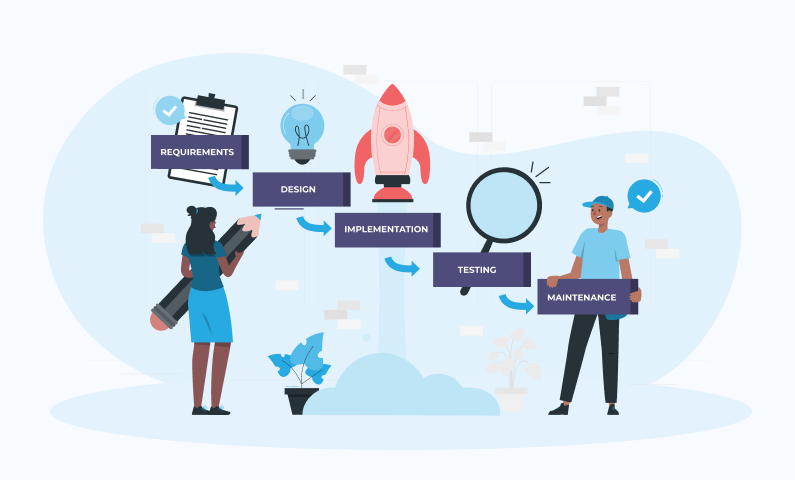
Waterfall is one of the earliest formal software development methodologies. It follows a linear progression where each stage must be completed before the next begins. The common phases include requirement analysis, system design, development, testing, deployment, and maintenance.
This approach emphasizes documentation, defined scope, and clear milestones. Because everything is planned upfront, project managers can estimate timelines and costs with relative accuracy. Stakeholders often appreciate the structured roadmap and defined deliverables.
However, the rigidity of Waterfall can become a limitation when requirements change. Modifications after development begins may require revisiting earlier stages, increasing both cost and effort.
## The Agile Model An Adaptive Framework
Agile takes a more flexible and iterative approach. Work is divided into small increments that are delivered in short cycles. Instead of defining every requirement at the start, Agile teams refine priorities as the project evolves.
Collaboration is central to Agile. Developers, product owners, and stakeholders communicate frequently to ensure alignment. Regular reviews and feedback loops allow teams to identify improvements early and adapt quickly.
Agile focuses on delivering working software frequently rather than waiting for a final release. This incremental approach reduces uncertainty and improves responsiveness to market needs.
## Core Differences Between Agile and Waterfall
### Scope Management
Waterfall defines scope at the beginning and aims to maintain it throughout the project lifecycle. Agile treats scope as flexible and subject to refinement.
### Documentation
Waterfall relies heavily on comprehensive documentation at every stage. Agile values documentation but prioritizes working software and team interaction.
### Testing Strategy
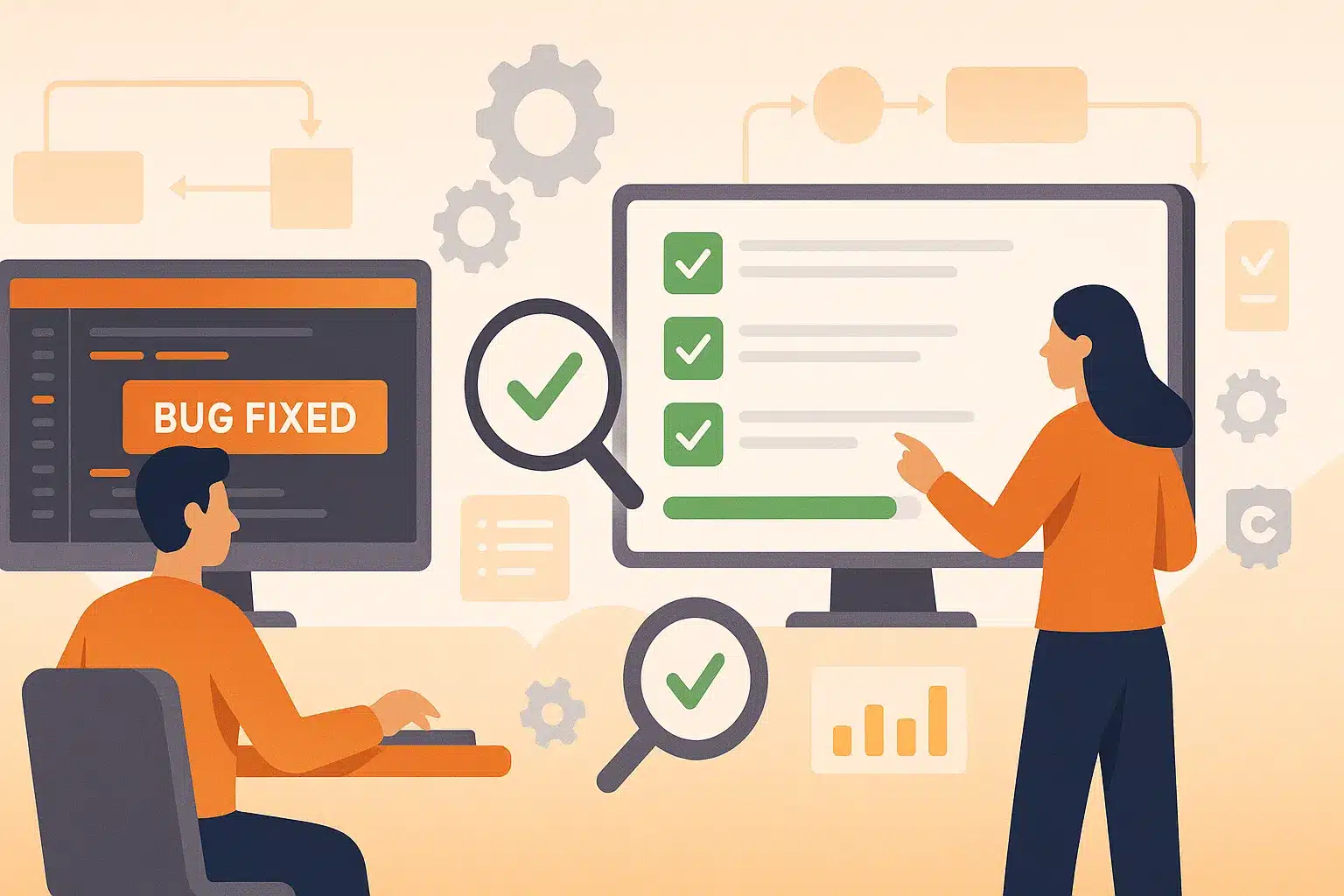
In Waterfall, testing usually occurs after development is complete. Agile integrates testing into each iteration, ensuring continuous quality validation.
### Change Handling
Waterfall treats change as disruptive once development is underway. Agile considers change a normal and expected part of product evolution.
## Business Impact of Each Methodology
Choosing the right methodology can affect cost efficiency, stakeholder satisfaction, and time to market.
Waterfall may be ideal for projects with stable requirements, strict compliance standards, and clearly defined deliverables. Examples include enterprise resource planning systems or government funded software projects.
Agile often delivers better outcomes for dynamic environments such as digital platforms, mobile applications, and SaaS products where innovation and rapid iteration are crucial.
## Risk and Quality Considerations
Waterfall reduces ambiguity through upfront planning, but risk may remain hidden until late testing phases. Agile mitigates risk by validating functionality in small increments. Continuous feedback enables early detection of issues and faster resolution.
From a quality perspective, Agile encourages ongoing improvement, while Waterfall emphasizes thorough validation before final release.
## Hybrid Approaches and Evolving Practices
Modern organizations frequently blend elements of both methodologies. For example, strategic planning and budgeting may follow a structured approach similar to Waterfall, while development teams operate using Agile iterations.
This hybrid mindset allows companies to combine predictability with adaptability. It reflects the growing recognition that flexibility and structure are not mutually exclusive.
## Conclusion
The choice between Agile and Waterfall is not about selecting a superior framework but about identifying the right fit for specific business objectives. Each methodology offers valuable strengths that can support successful project delivery when applied thoughtfully.
By evaluating factors such as project scope, regulatory requirements, stakeholder involvement, and market volatility, organizations can choose a development model that drives efficiency, innovation, and long term success.
Mobile applications can be develop with the help of Android open source framework.
Android is used to develop mobile applications and android based mobile application projects to accomplish the customer requirements.
Android operating system provides a flexible environment with normal Java IDEs to develop applications.
Android platform is adjustable to larger, VGA, 2D graphics library, 3D graphics library based on OpenGL ES 1.0 specifications with Smartphone layouts.
Android apps development is a complex process and the success of implementation of android application development is depending upon the development approach.
We at Andolasoft follow some developmental models such as:Agile Methodology: Agile methodology is the process of dividing the entire application development lifecycle into small parts with clear maintaining the project scope and requirements.
Get your own application as per your own needs
Software Solutions | Get Your Own Application as Per Your Own Needs
We are known for custom software application development and offshore software outsourcing services to meet customers' unique demands.
We have helped many companies in automation of complex business processes as per their business needs and achieve their business goals by increasing their profits or minimizing their losses.
Our skilled specialists have worked on both Waterfall approach and Agile methodology as per customers preference and need and team have capabilities to deliver successful solutions within time and budget limits.
In addition to custom software development, we also offer software maintenance and customizations.