



Software development is a continuous cycle of building, testing, identifying issues, fixing them, and validating the fixes. In this cycle, simply resolving a bug is not enough to guarantee that the application works correctly. Developers may implement a fix, but testers must confirm that the issue is truly resolved and does not appear again. This validation process is known as retesting testing, and it plays a crucial role in delivering stable and reliable software.
Retesting testing refers to the process of executing the same test cases that previously failed in order to confirm that a defect has been fixed successfully. When testers discover a bug during testing, they report it to the development team. Developers then investigate the issue and implement a fix. Once the bug is marked as resolved, testers run the same scenario again to ensure the problem no longer occurs. The goal is to verify that the defect has been corrected and that the functionality now behaves as expected.
This process is important because software fixes can sometimes introduce new issues or fail to completely resolve the original problem. If a bug fix is implemented incorrectly, the same error may continue to exist in the system. Retesting testing helps detect such situations early by re executing the original test case under the same conditions in which the defect was discovered.
One of the defining characteristics of retesting testing is its focus on a specific defect. Instead of testing the entire application, testers concentrate only on the functionality affected by the bug fix. This targeted approach makes retesting efficient and precise because it verifies the exact problem that was previously reported.
Retesting testing is closely linked with the software bug tracking process. When a defect is discovered, it is logged in a defect tracking system with details such as steps to reproduce the issue, expected results, and actual results. Developers review this information and apply a fix to the code. Once the fix is completed, the bug status changes to resolved or ready for testing. Testers then perform retesting to confirm whether the defect has been successfully addressed.
Many testing teams maintain detailed documentation of failed test cases so that they can be easily reused during retesting testing. This documentation includes test steps, input data, expected outcomes, and system conditions. By following the same steps again, testers can accurately determine whether the bug fix has resolved the issue.
Retesting testing is sometimes confused with regression testing, but the two processes are different in their objectives. Retesting focuses on validating a specific bug fix by re running the failed test case. Regression testing, on the other hand, verifies that recent changes have not affected other areas of the application. Both approaches are important, but retesting is more focused and directly related to verifying defect resolution.
The importance of retesting testing becomes even more evident in modern development environments where software updates are released frequently. Continuous integration and continuous delivery pipelines enable teams to deploy updates rapidly, which increases the need for quick and reliable testing. Retesting ensures that each bug fix is validated before the new version of the software is released to users.
Automation has significantly improved the efficiency of retesting testing. Automated testing frameworks allow teams to quickly rerun failed test cases whenever a new code change is introduced. Instead of manually repeating the same steps, automated systems can execute the tests automatically and provide instant feedback about whether the issue has been resolved.
Modern testing tools can capture real application traffic and convert it into test cases that can be replayed during retesting testing. This approach allows teams to validate bug fixes using real world scenarios rather than artificial test data. By reproducing actual user interactions, testers can confirm that the fix works correctly in realistic conditions.
Another benefit of retesting testing is that it strengthens collaboration between developers and testers. When testers provide clear steps to reproduce a bug, developers gain a better understanding of the issue. After implementing a fix, testers can verify the solution using the same documented steps. This collaborative process ensures that defects are addressed effectively and efficiently.
Retesting testing also helps maintain high product quality by preventing unresolved defects from reaching production environments. If a bug is marked as fixed without proper validation, users may encounter the same issue again. This can lead to frustration, loss of trust, and damage to the product’s reputation. Retesting ensures that every fix is verified before the software is released.
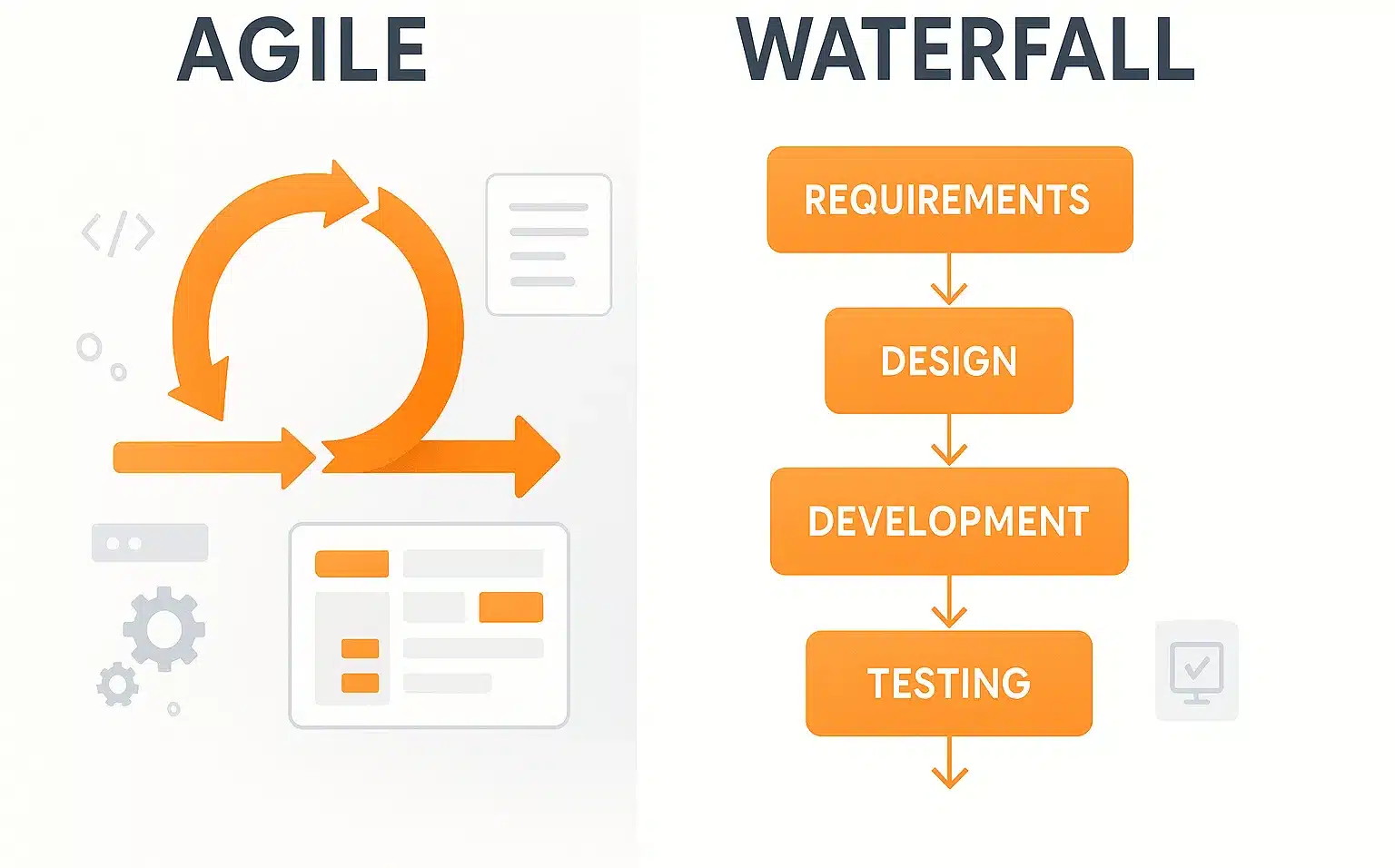
In agile development methodologies, retesting testing is performed frequently as part of iterative development cycles. Agile teams deliver new features and updates in short timeframes, which means defects must be resolved quickly. Retesting ensures that previously reported issues are properly fixed before the next sprint or release.
Another important advantage of retesting testing is that it provides valuable insights into the effectiveness of the development process. By analyzing retesting results, teams can identify patterns in defects and understand why certain issues occur repeatedly. This knowledge helps organizations improve their development practices and reduce the likelihood of similar defects in the future.
Testing platforms such as Keploy have further enhanced the retesting testing process by enabling automatic test generation based on real user interactions. Instead of writing test cases manually, developers can capture application behavior and replay it during testing. This approach simplifies validation and ensures that fixes are tested under realistic conditions.
Retesting testing is not just a routine step in the testing process but a critical safeguard that protects software quality. It ensures that bug fixes are verified properly and that the application functions correctly after changes are made. Without retesting, defects could remain hidden in the system and cause unexpected failures later.
In conclusion, retesting testing is a vital component of the software testing lifecycle. It ensures that defects reported during testing are actually fixed and that the application behaves as intended. By executing previously failed test cases, testers can confirm the effectiveness of bug fixes and maintain high standards of software quality. As modern software systems continue to evolve and grow in complexity, retesting testing will remain an essential practice for delivering reliable and user friendly applications.




Do you want to ensure that your software does not burn out when it hits the market?
Connect with QSource - a leading software testing services company that can help clients with their software testing needs.