


Saying goodbye to a beloved dog is one of the most difficult decisions a pet owner will ever face. Dogs are more than companions—they are family members who offer unconditional love, loyalty, and comfort. When illness, injury, or age begins to severely impact their quality of life, euthanasia can become a humane and compassionate option to prevent further suffering. Understanding the process, signs, and emotional aspects can help you make an informed and loving decision.
What Is Euthanasia for Dogs?
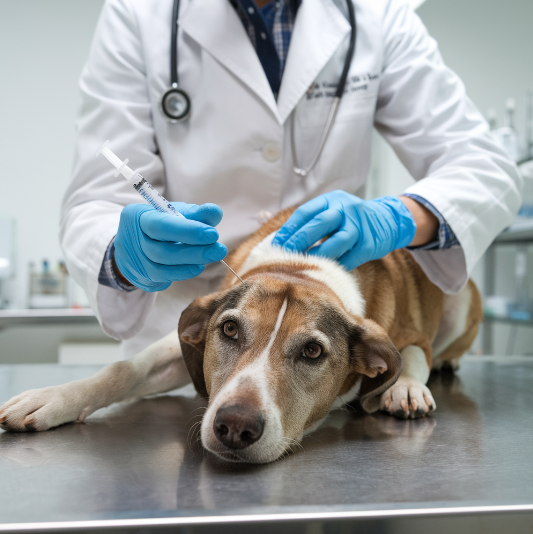
Euthanasia for dogs is a peaceful medical procedure performed by a licensed veterinarian to gently end a dog’s life when recovery is no longer possible. The primary goal is to relieve pain and suffering while ensuring the process is calm and dignified.
The procedure typically involves:
• A sedative to help your dog relax and feel comfortable
• A final medication that painlessly stops the heart
• A quiet and supportive environment for both pet and family
Most dogs pass within minutes, peacefully and without distress.
When Should You Consider Euthanasia?
Knowing when it’s time can be emotionally overwhelming. While every situation is unique, there are common signs that may indicate declining quality of life:
1. Chronic, Untreatable Pain
If your dog experiences constant pain that medication no longer controls, euthanasia may prevent unnecessary suffering.
2. Severe Mobility Issues
Inability to stand, walk, or control bodily functions can significantly reduce comfort and dignity.
3. Loss of Appetite and Weight
Persistent refusal to eat or drink, leading to weakness and rapid weight loss, is often a sign of advanced illness.
4. Terminal Illness Diagnosis
Conditions such as advanced cancer, organ failure, or progressive neurological diseases may reach a point where treatment is no longer effective.
5. Loss of Joy in Daily Life
If your dog no longer responds to affection, avoids interaction, and shows no interest in favorite activities, quality of life may be compromised.
Many veterinarians recommend using a “quality of life scale” to help evaluate your pet’s condition objectively.
The Euthanasia Process: What to Expect
Understanding the steps can reduce anxiety and help you prepare emotionally.
1. Consultation – The veterinarian will discuss your dog’s condition and confirm that euthanasia is the most compassionate choice.
2. Sedation – Your dog receives medication to ensure complete relaxation and comfort.
3. Final Injection – A painless solution is administered, allowing your dog to pass peacefully.
4. Aftercare Discussion – You can choose burial or cremation options based on your preferences.
You may choose to stay with your dog during the procedure, hold them, speak softly, or say goodbye in your own way.
In-Home vs. Clinic Euthanasia
Some families prefer in-home euthanasia because it allows their dog to remain in a familiar and comfortable environment. Others choose a veterinary clinic where medical support is immediately available.
Both options are compassionate; the best choice depends on your dog’s comfort level and your family’s needs.
Preparing Emotionally for the Goodbye
Grief after losing a dog is real and valid. To prepare:
• Spend quality time together in their final days
• Create keepsakes such as paw prints or photos
• Talk openly with family members about the decision
• Seek pet loss support groups if needed
Allow yourself to mourn. Healing takes time, and there is no “right” way to grieve.
Supporting Children and Other Pets
If children are involved, explain the situation gently and honestly in age-appropriate language. For other pets, changes in behavior are normal; maintaining routine can help them adjust.
A Final Act of Love
Choosing euthanasia for a dog is never easy, but it can be the ultimate act of compassion when suffering outweighs joy. By prioritizing comfort and dignity, you ensure your beloved companion’s final moments are peaceful and filled with love.
Making this decision does not mean giving up—it means putting your dog’s well-being first.