



Securing a physical workspace in 2026 involves much more than just a sturdy lock and a reliable set of keys. Today, the definition of a safe office has shifted toward digital fluidity and proactive data management. If your staff still fumbles for plastic fobs or, worse, uses a physical master key to open the front door, your infrastructure might be more of a liability than an asset. Business owners often wait for a glaring failure before considering an upgrade, but modern threats are rarely that loud. They hide in the gaps of unpatched software and the limitations of hardware that cannot communicate with the rest of your building. Addressing these vulnerabilities requires a move toward intelligent, integrated systems that offer both convenience and ironclad protection. For those looking to modernize their infrastructure, finding a professional access control installer in Toronto is often the first step toward a more resilient operational framework.
Are Your Current Entry Protocols Actually Obsolete?
Many organizations operate under the "if it isn't broken, don't fix it" mentality, but in the context of security, "not broken" is a dangerous metric. A system that technically opens a door can still be functionally obsolete if it lacks the encryption necessary to block modern skimming devices. Legacy hardware often relies on outdated communication protocols that are easily intercepted by inexpensive tools found online. If your readers are more than five or six years old, they likely lack the processing power to handle the high-level encryption standards required to protect your facility. Upgrading ensures that every interaction between a credential and a reader is encrypted from end to end, making it nearly impossible for unauthorized parties to duplicate your digital keys.
When Does Growing Pains Signal a Security Gap?
Scalability is a primary driver for moving beyond basic setups. A small office with ten employees manages fine with a standalone system, but once you expand to multiple floors or satellite locations, manual management becomes a nightmare. If your administrative team spends hours every week manually adding new hires to local databases or physically collecting fobs from departing staff, you have outgrown your tech. Modern cloud-based platforms allow for "global" user management, where a single profile can grant or revoke access across every branch your company operates. This level of control ensures that an employee who leaves the company on Monday morning cannot walk into any of your buildings by Monday afternoon.
Could Your System Survive a Connectivity Audit?
Modern access control installation often focuses on how well a system plays with others. A standalone door controller is a siloed asset, but a modern integrated system talks to your CCTV cameras, your HVAC, and even your HR software. Imagine a scenario where a door is forced open; an integrated system immediately flags the nearest camera to record the event and sends a high-definition clip to your phone. If your current setup cannot provide this level of visibility, you are essentially flying blind. Audit logs should be instant, searchable, and stored in a secure cloud environment to ensure they cannot be tampered with by an internal threat or lost during a hardware failure.
The Benefits of Professional Installation and Maintenance
Customized Logic: Professionals can program complex "if-then" scenarios, such as lockdown modes or temporary visitor permissions that expire automatically.
Infrastructure Integrity: Expert installers ensure that your wiring is redundant and protected, preventing simple "wire-cutting" bypasses.
Regulatory Compliance: Many industries, especially finance and healthcare, have strict data-logging requirements that only modern systems can satisfy.
Future-Proofing: Using open-platform hardware ensures you aren't locked into a single vendor's ecosystem for the next decade.
Is Cloud Management Safer Than On-Premise Servers?
Automatic Updates: Cloud systems receive security patches the moment they are released, protecting you from newly discovered vulnerabilities without requiring a technician visit.
Data Redundancy: Your access logs and user permissions are backed up across multiple geographical regions, ensuring your doors still work even if your local internet goes down.
Reduced Overhead: You no longer need to maintain a physical server in a closet, which saves on electricity, cooling, and IT labor costs.
Remote Accessibility: Management can adjust permissions from a laptop in a different country, providing agility that on-premise systems lack.
What Are the Signs That You Need an Immediate Upgrade?
If your readers frequently fail to scan on the first try, or if you notice a lag of more than two seconds between a scan and a click, your hardware is likely failing. Physical wear and tear on keypads or magnetic stripe readers creates entry points for environmental damage and tampering. Another red flag is the inability to integrate with your fire alarm system; in an emergency, your access control must be programmed to fail-safe, opening all exits automatically to ensure life safety. If your current setup requires manual intervention during a fire drill, it is a significant liability that needs to be addressed immediately by a certified professional.
Bottom Line
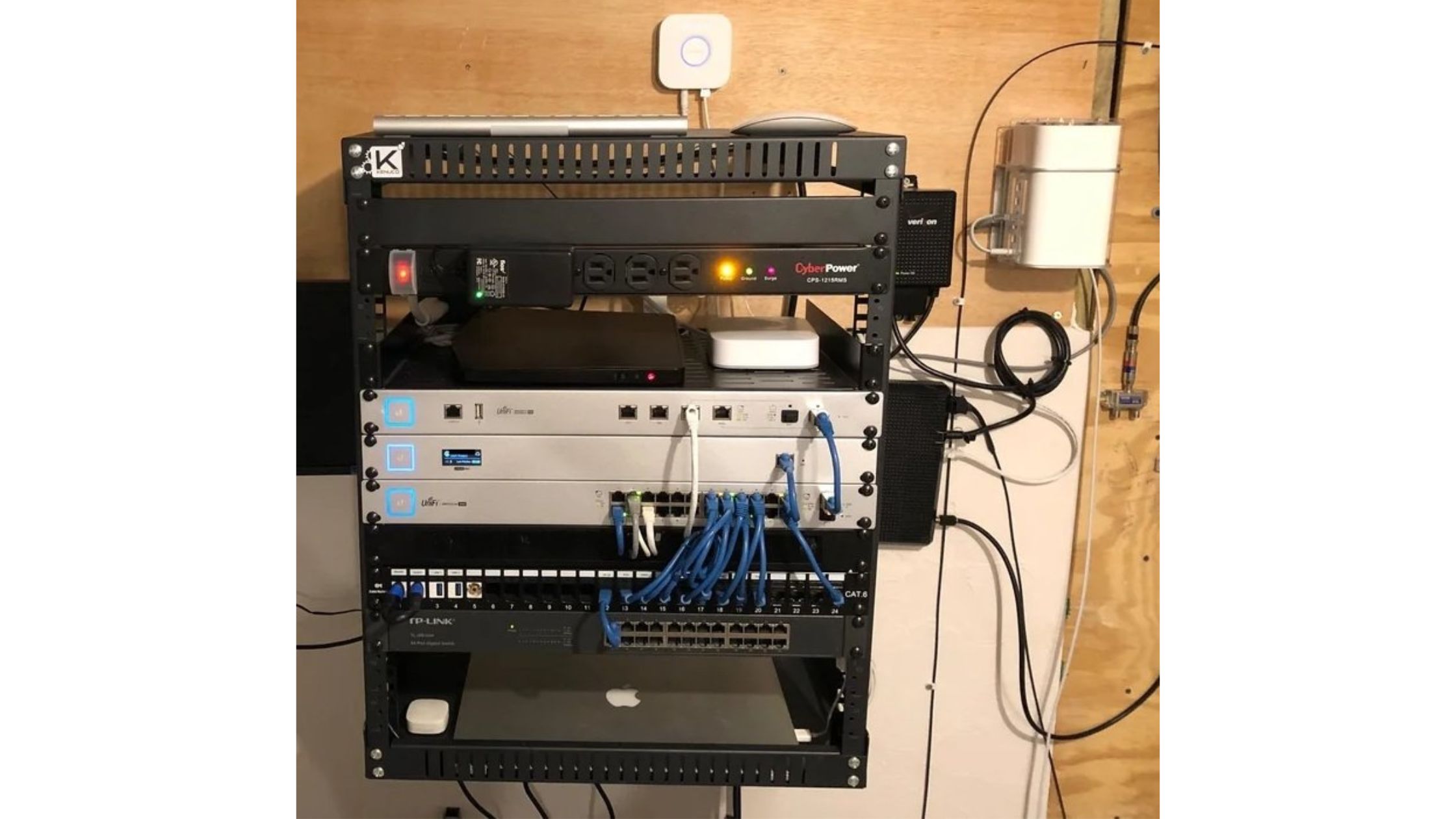
Investing in a high-tier security system is only part of the equation; the true strength of any defence lies in the quality of its underlying infrastructure. Clever Cabling specializes in bridging the gap between advanced software and dependable physical implementation. The company focuses on creating clean, organized, and redundant wiring environments that help ensure access control systems remain fully operational under all conditions. Clever Cabling prioritizes long-term stability over temporary fixes, ensuring that every sensor, reader, and controller functions as part of a cohesive, high-performance network. By emphasizing the structural integrity of security technology, the company supports organizations in transitioning to a modern, reliable, and worry-free workspace.

Is it a matter of weeks, months, or years?
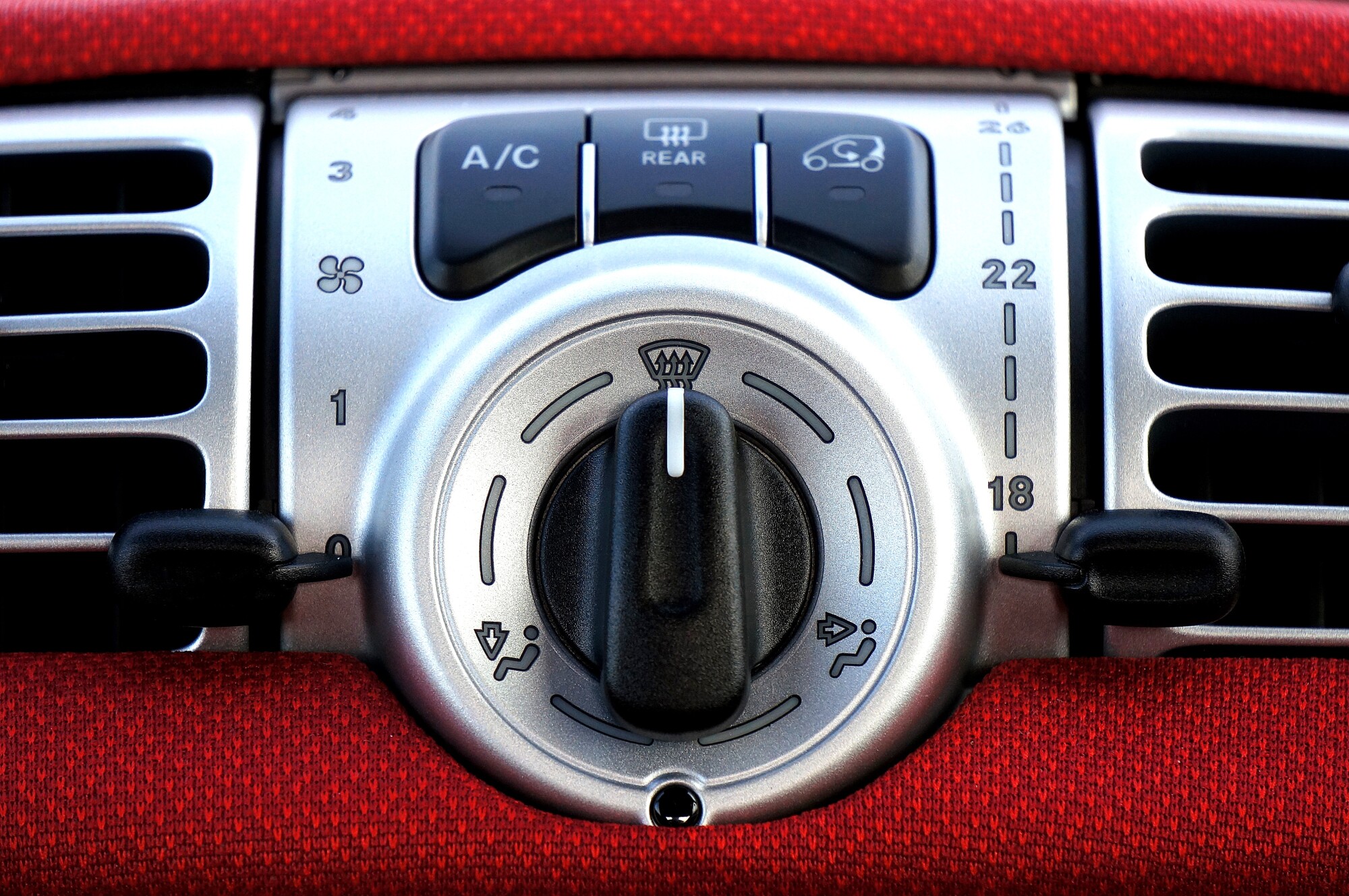
Does it affect my health to not bother replacing my AC filter?Keep reading to find out when to replace your car cabin filter without wasting money.When Should Your Car AC Filter Get Replaced?Many companies have a warranty on their AC filters, such as AEM Intake, but should you wait for the end of the warranty period?
Well, the OEM air filter might not be branded, to start with.Instead of relying on a warranty period, it’s best to judge each filter replacement by signs your AC filter might be near the end of its life.
What are the signs of a bad AC filter?An unpleasant odor every time your turn on the AC or the heatExcess humidity or moisture from your ventsDust coming out of the ventYour AC blower motor strugglesYour car’s horsepower drops while your AC is onA dirty car AC filter, like a dirty filter in your home AC unit, causes extra wear and damage to your car’s climate control system.
The AC filter is designed to trap and hold pollen, dust, mold spores, other pollutants.
However, when it’s full, some of those find their way through.It also traps moisture, which creates a perfect environment for mold to start growing.

Breakfast possesses since quite a while ago been the favored energy for taking meds, food enhancements, of omega 3 fish oil and cod liver oil.
Also, the brain research bodes well.
Toward the beginning of every day, a large number of us like to exploit our recharged energy to zero in on our wellbeing.