Becoming a parent in India comes with its own rhythm.
There’s warmth, family around, busy homes, quick trips to the market, and sometimes the chaos of everyday life.
And of course… there’s the weather.
Some days it’s the strong summer heat. Some days humidity makes everything sticky. Then the monsoon arrives and suddenly the air feels heavy again. Through all of this, parents still have to cook, travel, attend doctor visits, visit relatives, and manage daily life with a baby in their arms.
Many Indian parents naturally carry their baby close. It feels instinctive. But holding a baby in arms all day can become tiring, especially as the baby grows.
That’s where baby carriers quietly become helpful.
Not as a gadget or trend, but simply as a way to keep your baby close while your hands stay free.
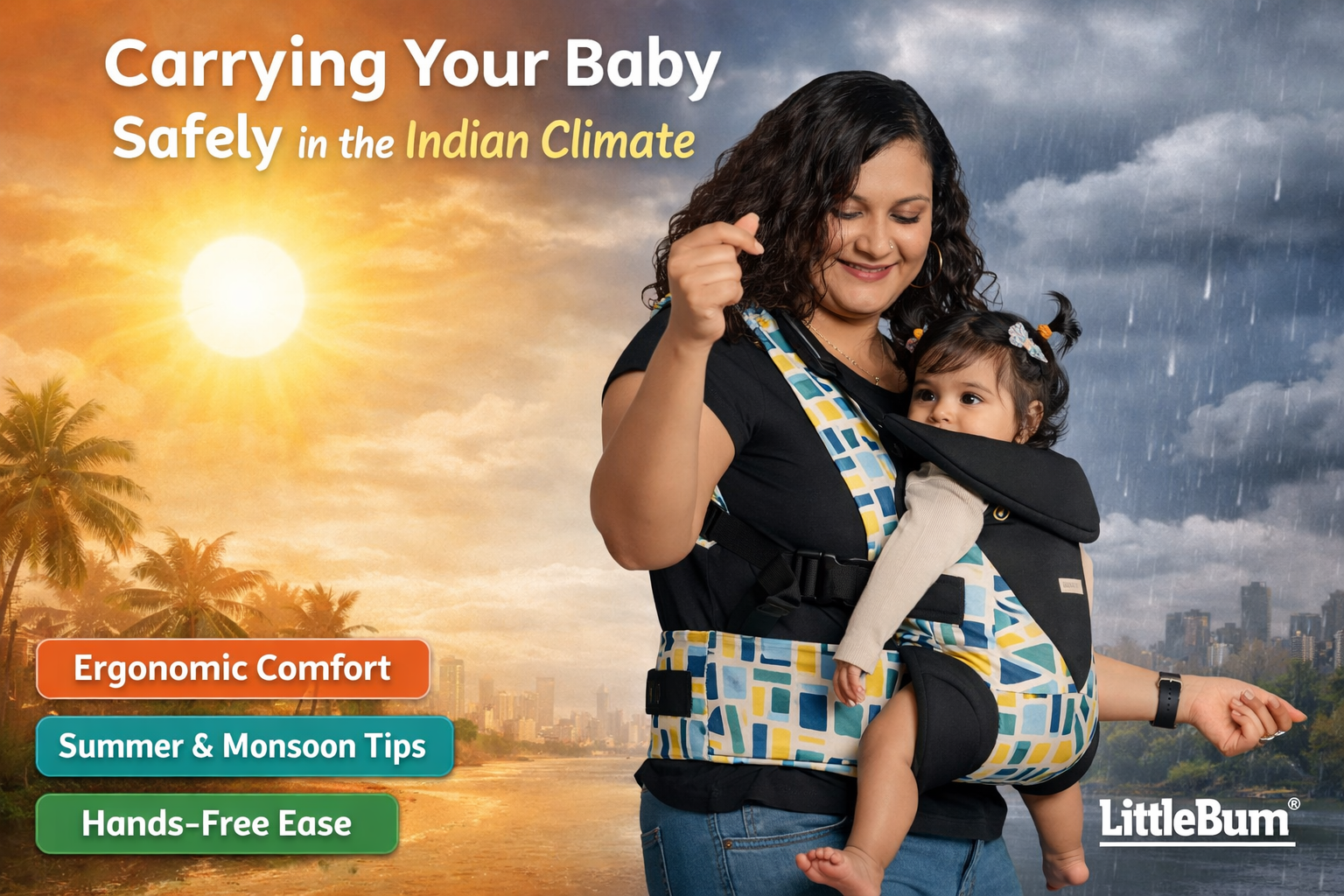
Over the last couple of years — especially around 2025 and 2026 — more parents in India have started choosing breathable, ergonomic carriers that work well in our climate.
But the question most parents still ask is simple:
How do you carry a baby safely in Indian weather?
Let’s talk about it like parents do — honestly and practically.
Why Climate Matters When Carrying a Baby
Indian weather is not mild. Babies feel it too.
A newborn or toddler cannot regulate body temperature the way adults do. Heat, humidity, or damp monsoon air can make them uncomfortable quickly.
When carrying a baby, two bodies stay close together. That means warmth builds up faster.
Parents often notice things like:
- Baby sweating on the back or neck
- Irritability during hot afternoons
- Damp clothes during humid days
- Difficulty holding baby for long hours
A good Ergonomic Baby Carrier doesn’t remove the heat completely — nothing can — but it can make the experience much more comfortable.
Breathable fabrics, proper posture, and balanced weight support make a big difference in Indian conditions.
Everyday Indian Life With a Baby
Most baby carrier conversations online focus on travel or outdoor walks.
But for Indian parents, the real situations are different.
Carriers help in small, everyday moments.
Morning cooking when the baby wants to stay close.
Quick trips in an auto or cab.
Standing in line at the OPD clinic.
Walking through crowded markets.
Family gatherings where everyone wants to hold the baby.
Holding a baby with one arm during these moments can feel exhausting.
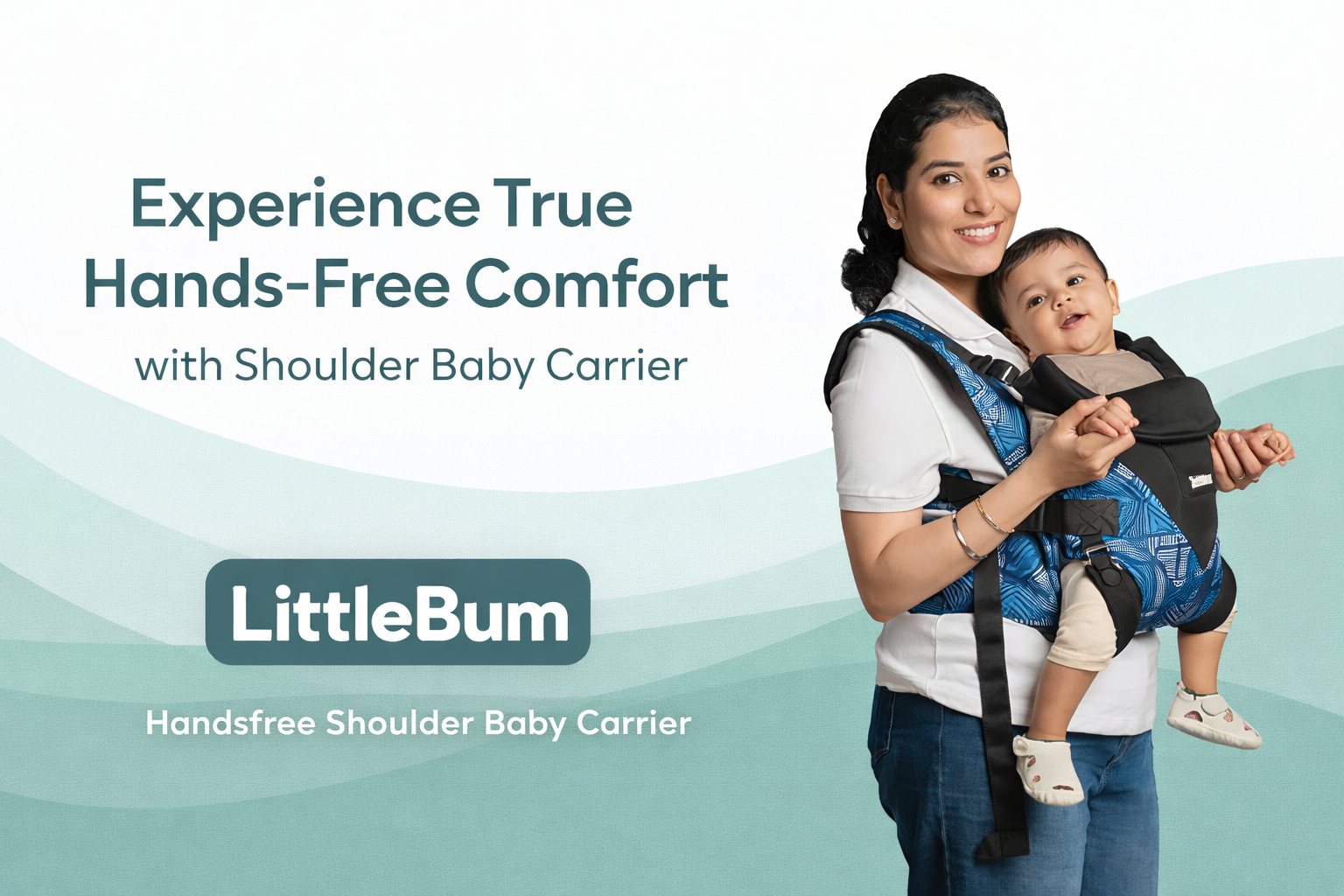
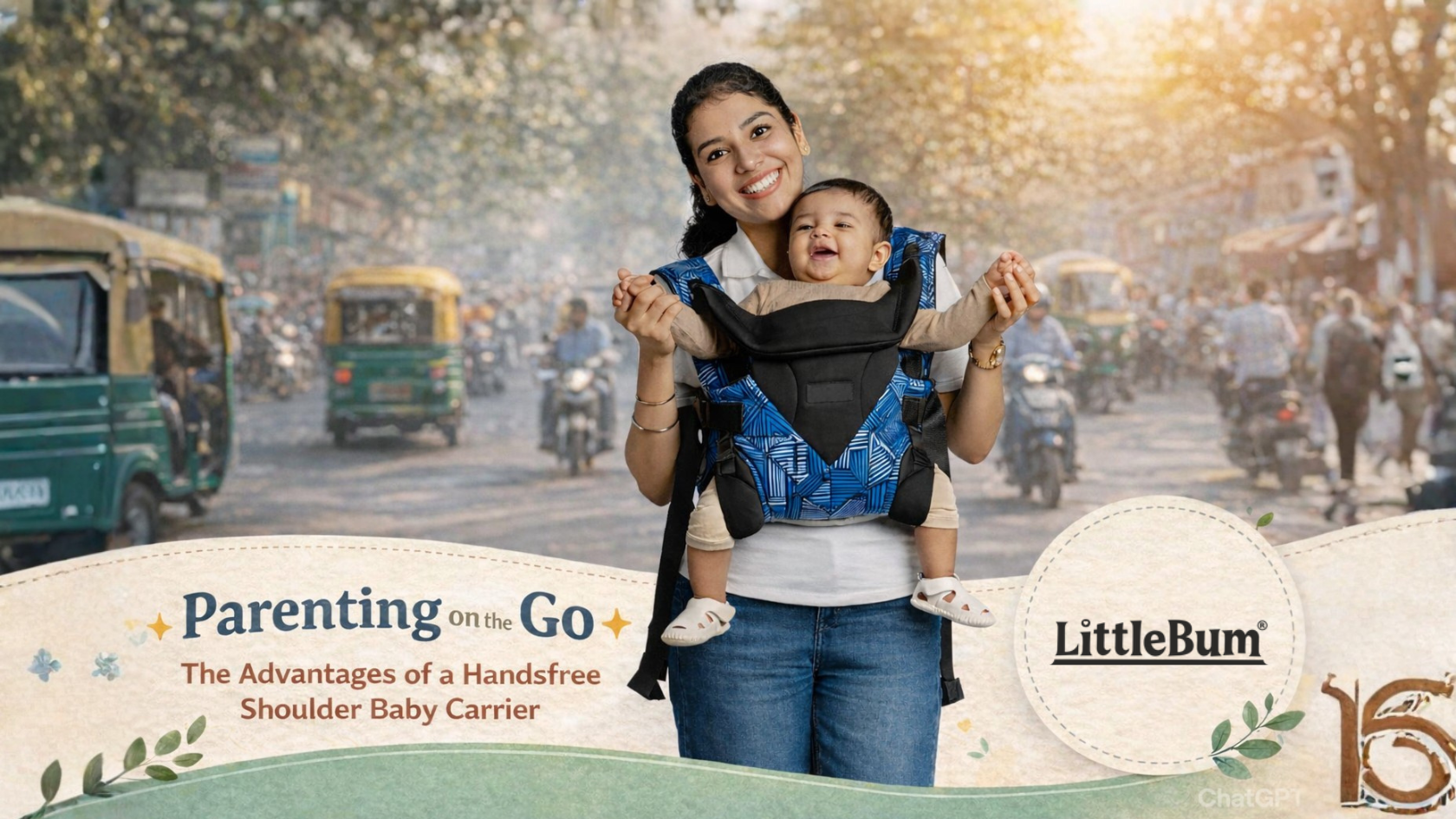
A Handsfree Shoulder Baby Carrier allows the baby to stay close while both hands remain available. Sometimes you’re stirring a pot, sometimes holding a bag, sometimes just needing balance while walking.
It’s not about convenience alone. It’s about reducing physical strain on the parent.
How Parents Usually Choose a Baby Carrier
Every baby is different. Every parent also has their own comfort preferences.
But most Indian parents consider a few practical things when choosing a carrier.
1. Baby’s Age
A Newborn Baby Carrier usually focuses on neck and spine support.
As babies grow, parents start looking for carriers that support higher weight and allow different carrying positions.
Some carriers work from newborn stage to toddler years, which many parents prefer because it avoids buying multiple products.
2. Fabric and Breathability
In Indian weather, thick fabrics can become uncomfortable quickly.
Parents usually look for:
- breathable cotton
- mesh panels
- lightweight padding
- airflow-friendly design
A Lightweight Shoulder Carrier often feels easier during hot days because it doesn’t trap heat as much.
3. Weight Distribution
Holding a baby on one side for long periods strains shoulders and back.
An Ergonomic Baby Carrier distributes the weight across shoulders and waist. This reduces pressure on one single point of the body.
4. Ease of Wearing
Parents often need to wear the carrier quickly.
If the straps are confusing or adjustments take time, it becomes difficult to use daily.
Simple, secure designs usually work best.
A Real-Life Example: LittleBum Handsfree Summer Spring Shoulder Baby Carrier
Many parents now look for carriers that specifically suit warm climates. One example that often comes up in conversations between parents is the Littlebum Baby Carrier designed for summer and spring weather.
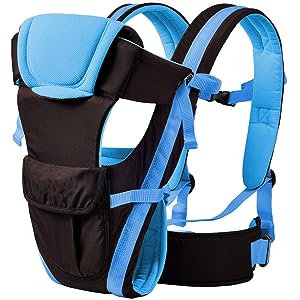
The LittleBum Handsfree Summer Spring Shoulder Baby Carrier focuses on breathable comfort and everyday practicality.
Parents usually notice a few things about it.
First is the fabric. The material is designed to allow airflow, which helps during warmer months. Babies naturally stay close to the parent’s body, so breathable material helps reduce heat buildup.
The age range typically covers babies from around four months up to toddler stage, depending on the baby’s weight and development.
Weight support in this type of carrier is designed to handle growing babies while still keeping them comfortably positioned.
The ergonomic structure supports a baby’s natural sitting posture — where the knees are slightly higher and the hips remain supported. This position is often called the natural “M” posture because of how the baby’s legs sit.
Parents also appreciate the hands-free shoulder design. Instead of carrying the baby on one arm constantly, the carrier balances the baby’s weight across the shoulder and torso.
This helps during daily tasks like:
- grocery shopping
- walking through crowded areas
- standing during doctor visits
- managing household chores
Many parents simply say it feels easier on the body after long use.
Not perfect, not magical — but practical.
And that’s often what parents are looking for.
Carrying Positions That Usually Work Well
Baby carriers allow a few different positions depending on the baby’s age.
Front Carry (Most Common)
This is the position most parents start with.
Baby faces the parent’s chest, which feels secure and calming for young babies.
It also allows parents to monitor the baby easily.
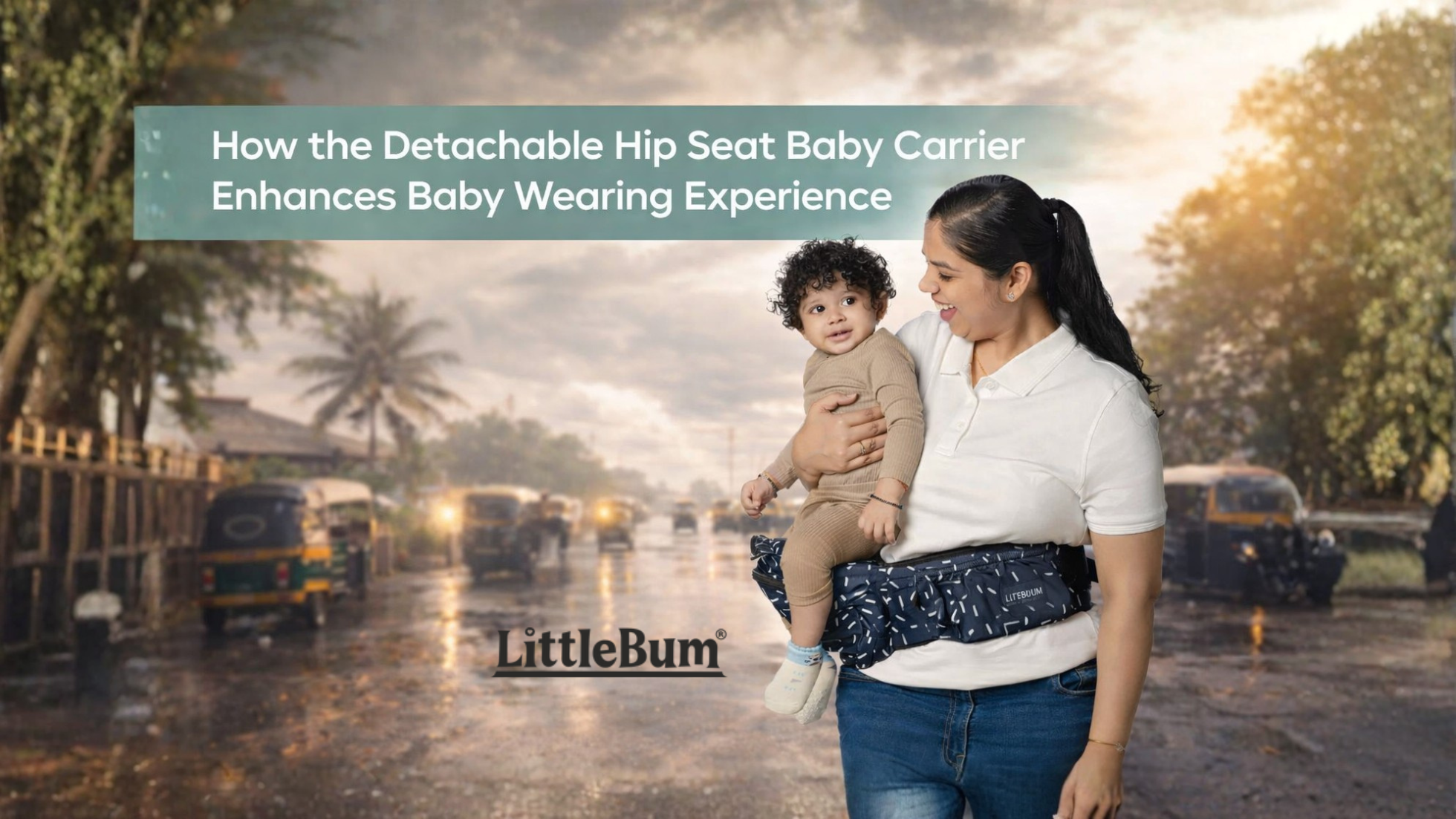
Hip Carry
As babies grow and gain neck control, hip carrying becomes comfortable.
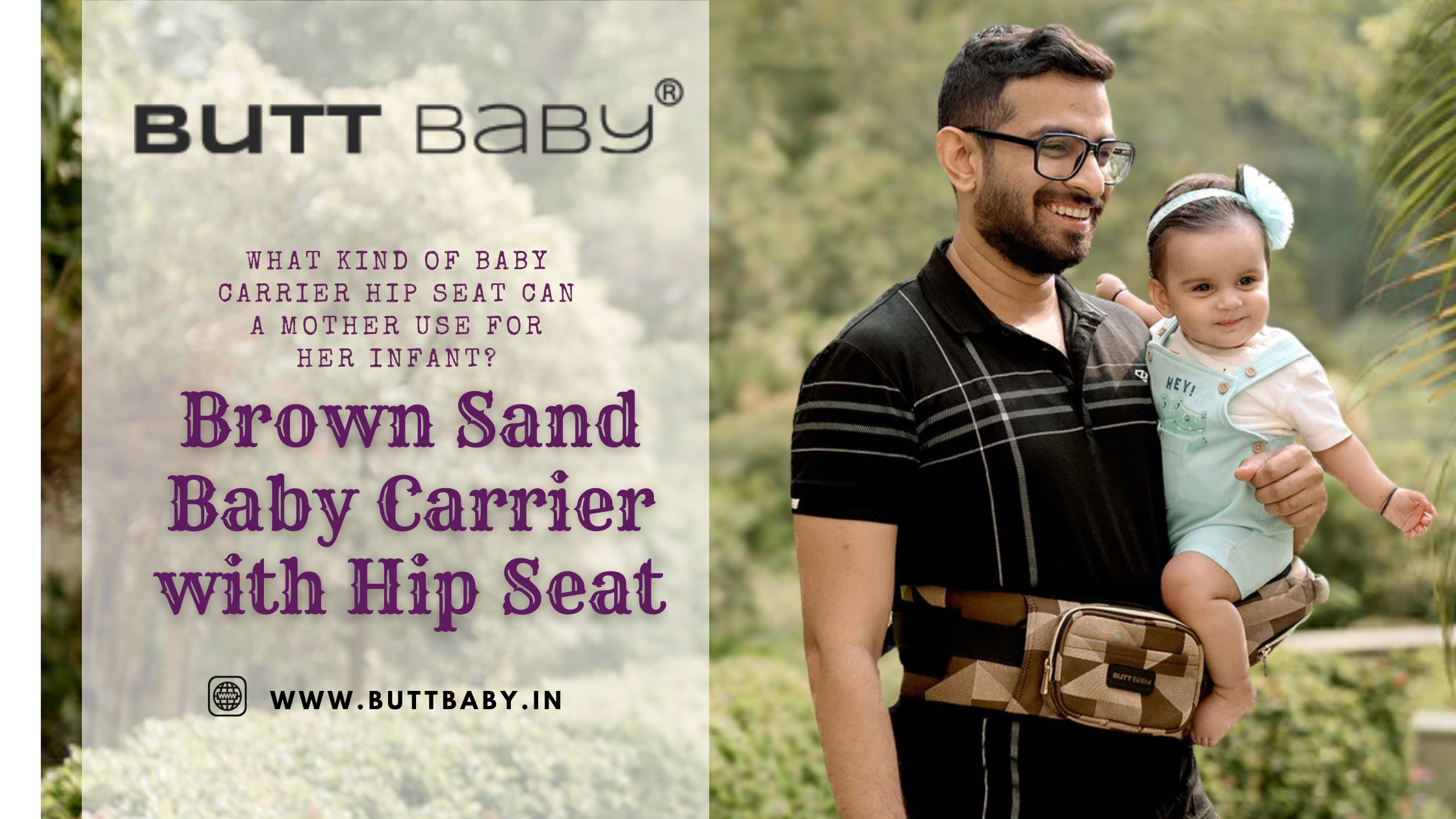
Many Handsfree Shoulder Baby Carrier designs support this naturally. Babies can look around and stay engaged with their surroundings.
Short Carry for Toddlers
Older babies and toddlers sometimes want to be picked up frequently but not carried for long.
A quick hip-style carry with a Lightweight Shoulder Carrier can help during short walks or errands.
Safety and Comfort Checks
Parents often worry whether their baby is sitting safely inside a carrier.
A few small checks help.
Baby’s face should always remain visible.
Chin should not press into the chest.
Back should stay supported, not curved outward too much.
Baby’s legs should spread comfortably around the parent.
Most importantly, if the baby seems calm and relaxed, that’s usually a good sign.
Babies tend to protest quickly if something feels uncomfortable.
Summer and Monsoon Tips for Baby Wearing
Indian weather sometimes requires small adjustments.
- During SummerChoose breathable clothing for both parent and baby
- Avoid heavy synthetic fabrics
- Carry the baby during cooler hours when possible
- Keep a small cloth to wipe sweat
A Spring Baby Carrier made with breathable material usually feels more comfortable during warmer days.
During Monsoon
Humidity can make fabrics feel damp.
Parents usually:
- keep an extra cloth in the diaper bag
- check straps for moisture
- allow the carrier to dry properly after use
Good airflow in the carrier fabric helps here as well.
Simple Care and Washing Tips
Baby carriers get used daily, so regular cleaning helps.
Most parents follow a simple routine:
- gentle hand wash or mild machine wash
- avoid strong detergents
- air dry instead of using high heat
Proper drying is especially important during monsoon months to prevent fabric smell.
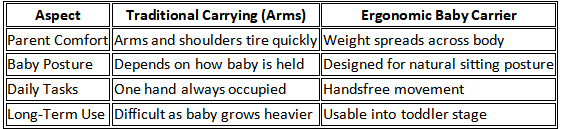
Traditional Carrying vs Ergonomic Baby Carrier
Many Indian parents naturally carry babies in arms. It’s loving and instinctive.
But over longer periods, it can become physically tiring.Both methods have their place. Many parents simply use a mix of both during the day.
A Quiet Shift in How Parents Carry Babies
Something interesting has happened in the past couple of years.
Earlier, baby carriers were seen mostly as travel accessories.
Now many Indian parents treat them as part of everyday life.
Not because of trends — but because they simply make daily routines easier.
Especially with newer designs focusing on breathable fabrics and ergonomic posture, parents are finding carriers that suit Indian weather better than older designs.
This shift toward lightweight, long-term carriers is becoming more common in 2025 and 2026.
Final Thoughts From One Parent to Another
Every parent eventually finds their own rhythm with their baby.
Some days the baby wants to be held constantly.
Some days they’re happy lying in a cot.
Some days nothing seems to work.
That’s normal.
A Littlebum baby carrier is not a perfect solution for every moment. But it can quietly make many everyday situations easier.
Your baby stays close.
Your hands stay free.
Your shoulders get a little relief.
And in busy Indian homes, that small bit of comfort can make a big difference.
Most importantly, babies simply love being close to their parents.
And sometimes, that closeness is all they really need.
Common Parent Questions
1. Is a baby carrier safe during Indian summer?
Yes, as long as the carrier uses breathable fabric and the baby is not overdressed. Keep checking baby’s neck and back for sweat.
2. Can a newborn use a baby carrier?
A Newborn Baby Carrier designed with proper head and neck support can be used once the baby meets the recommended age and weight guidelines.
3. How do I know if my baby is comfortable?
Look for relaxed legs, steady breathing, and calm behavior. If the baby sleeps easily in the carrier, it usually means they feel secure.
4. Will carrying a baby like this affect their hips?
An Ergonomic Baby Carrier supports the baby’s natural leg spread and hip position, which helps maintain comfortable posture.
5. Can I cook while wearing a baby carrier?
Light kitchen work is usually fine, but avoid cooking directly over hot stoves or handling boiling liquids while the baby is in the carrier.
6. Is a shoulder carrier safe for long walks?
Yes, if the baby’s weight is supported properly and the straps are adjusted correctly.
7. How long can a baby stay in a carrier?
Many parents keep babies in a carrier for short periods throughout the day. It’s always good to take breaks and allow the baby to stretch.
8. Can toddlers still use carriers?
Yes. Many carriers are designed to support babies into toddler age, especially when quick carrying is needed during outings.