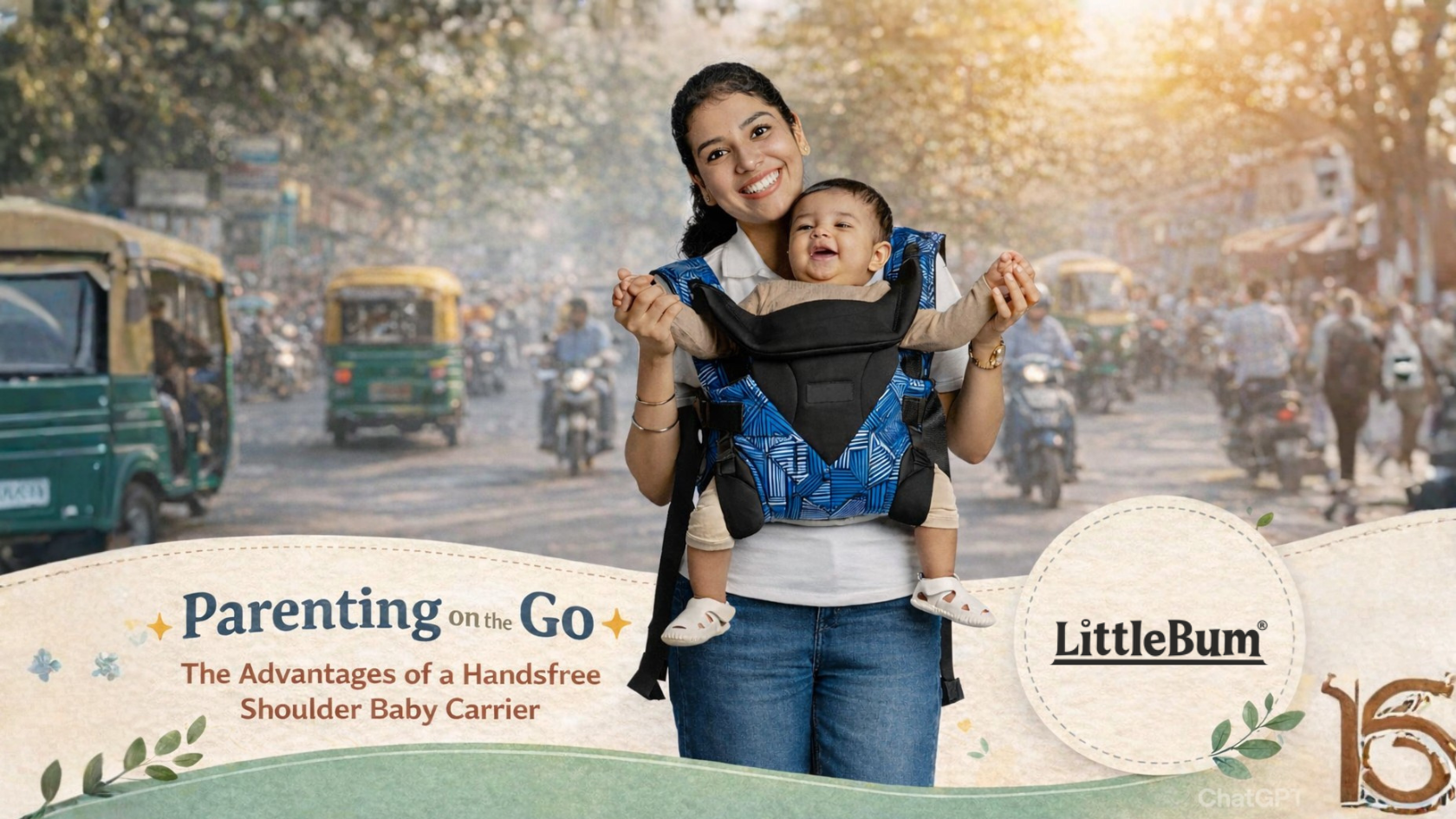
If you’re a parent in India, you already know this — life doesn’t slow down after a baby arrives. Meals still need cooking. Groceries still need buying. Autos still need catching. Relatives still need visiting. And in between all this, there’s a tiny human who mostly wants to be held.
That’s where a handsfree shoulder baby carrier quietly changes daily life. Not in a dramatic way. Just in small, meaningful ways. You suddenly have one hand free. Then both. You can stir dal, hold an umbrella, pay at the pharmacy, or carry a diaper bag — all while your baby rests against you.
It’s not about gadgets or trends. It’s about making everyday parenting feel a little lighter.
Let’s talk honestly — parent to parent — about why shoulder baby carriers are becoming such a practical choice for Indian families today.
Why Handsfree Matters More Than We Admit
In the early months, babies want constant closeness. And honestly, we want it too. But carrying a baby in arms all day can become exhausting. Shoulders ache. Wrists hurt. And you still have work waiting.
A shoulder baby carrier shifts that weight gently across your body instead of putting it all on your arms. It frees your hands but keeps your baby close.
You’re not “putting the baby away.”
You’re just carrying them smarter.
This is why many parents today are moving toward ergonomic baby carriers — not because they’re fancy, but because they help you function normally again.
Real Indian Life with a Baby Carrier
Let’s be honest. Parenting advice online rarely looks like real Indian life.
Here’s where a lightweight shoulder carrier quietly fits in:
Cooking time:
You just need to finish one tadka. Baby wants to be held. You wear the carrier. Baby leans into you. You cook calmly.
Auto rides:
Autos don’t always have space for strollers. With a carrier, you just sit, hold the side rail, and go.
OPD visits:
Hospitals are crowded. Lifts are slow. Carrying bags + baby is tough. A carrier makes movement easier.
Chores:
Drying clothes, folding laundry, watering plants — all possible with baby close.
Family functions:
In weddings or poojas, babies get overwhelmed. A shoulder carrier gives them a safe little bubble near you.
These are not big moments.
But they make up most of parenting.
Indian Weather Reality: Heat, Humidity & Monsoon
Let’s address the real concern — Indian weather.
Many parents worry:
“Won’t a carrier feel too hot?”
It depends on the material and design.
Summer & Humidity
Breathable fabrics make all the difference. Lightweight, airy carriers prevent that sticky, sweaty feeling. Babies stay calmer when air can circulate.
Monsoon Season
During rains, carrying a baby in arms becomes tricky. One hand holds an umbrella, the other holds the baby. A shoulder carrier solves this instantly.
Mild Winters
In most Indian cities, winters aren’t extreme. Carriers work well with light layering — shawl over baby, and you’re good.
This is one reason why recent years (2025–2026 especially) are seeing more parents choosing breathable, all-weather carriers that work year-round.
Comfort & Posture: For Baby and You
This part matters more than most parents realise.
A well-designed ergonomic baby carrier supports:
Baby’s Comfort
Natural spine curve
Supported neck (especially newborn stage)
Proper hip positioning (M-shape legs)
Parent’s Comfort
Even weight distribution
Reduced wrist strain
Better back posture
When a carrier is designed thoughtfully, your baby doesn’t hang. They sit. They rest.
And you don’t feel like you’re carrying a load.
You feel balanced.
Choosing the Right Carrier (Age, Fabric, Support)
Not all carriers suit all stages. Here’s a simple way parents often choose:
For Newborns (0–3 months)
Look for:
Soft fabric
Neck support
Close chest carry
A good newborn baby carrier feels like an extension of holding in arms.
For 3–9 Months
Babies gain weight quickly here.
Choose:
Strong shoulder support
Breathable material
Secure buckles
For 9–24 Months (Toddlers)
Now you need:
Stronger structure
Wider seat support
Lightweight build
This is where a lightweight shoulder carrier becomes very useful — especially for quick ups and downs.
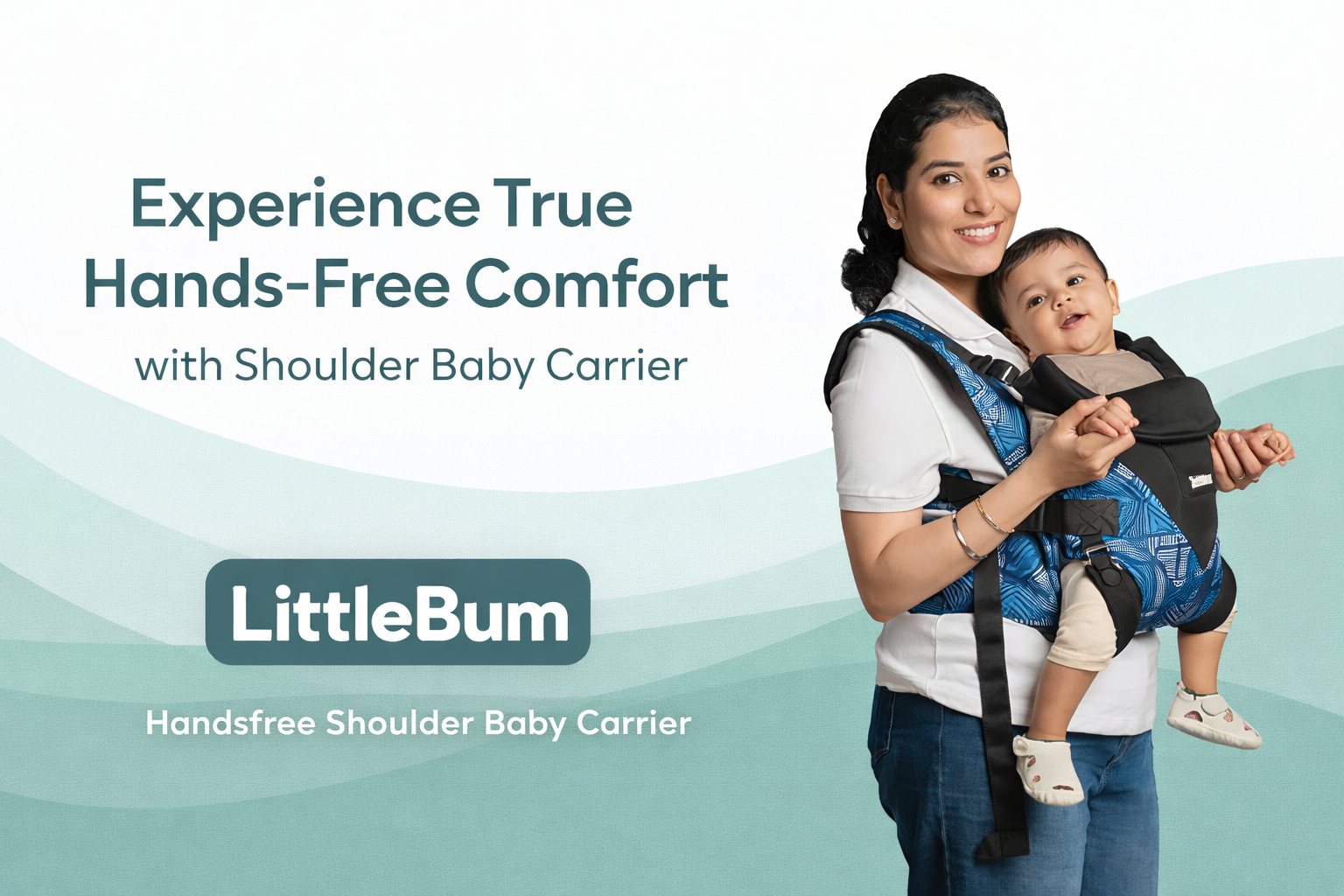
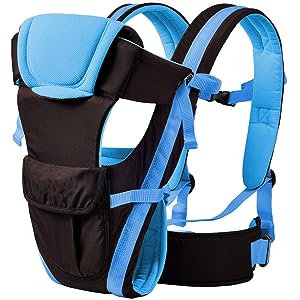
A Parent’s Take: Cold Waves Shoulder Baby CarrierIf you’re exploring options, one design many parents appreciate is the Cold Waves Shoulder Baby Carrier from LittleBum.
Not from a sales angle — just from a daily usability perspective.
What Stands Out in Real Life
Breathable Material
The fabric feels light and airy, which helps during humid Indian days. Babies don’t feel too wrapped up.
Suitable Age Range
Works from newborn stage into toddler months, so you’re not replacing carriers too soon.
Weight Support
Built to hold growing baby weight without feeling bulky. That balance matters a lot when your child suddenly becomes heavier around 6–8 months.
Ergonomic Design
Baby sits close and supported, not dangling. You don’t feel pressure in wrists like when carrying in arms.
Handsfree Convenience
Useful during everyday tasks — especially when you just need both hands free for a few minutes.
Many parents describe it simply:
“It doesn’t feel like an accessory. It feels like help.”
And that’s what a good Littlebum baby carrier should do — quietly make life easier.
Wearing Positions That Work in Daily Life
You don’t need complicated wrapping styles. Shoulder carriers are loved because they’re simple.
Front Carry (Most Common)
Best for:
Newborns
Sleepy babies
Crowded places
Baby faces inward, head resting near your chest.
Slight Side Carry
Helpful when:
Baby wants to look around
Short errands
Toddlers who get curious
Quick On-Off Carry
This is underrated.
For toddlers who want up-down-up-down — shoulder carriers make transitions easier.
Summer & Monsoon Safety Tips
A few small habits make a big difference:
In Summer
Dress baby in light cotton
Check neck sweat often
Stay hydrated (for you too)
During Monsoon
Use umbrella or light rain cover
Keep extra cloth to wipe moisture
Avoid slippery footwear
Always Check
Baby’s chin not pressed into chest
Airway clear
Fabric not too tight
These tiny checks become automatic in a few days.
Comfort Checks Parents Often Miss
Even good carriers need occasional adjustments.
Watch for:
Red marks on baby’s thighs
Shoulder pain for you
Baby leaning too far forward
Loose straps
If something feels off, adjust.
Carriers are meant to adapt to your body, not the other way around.
Washing & Care
Let’s be practical — baby gear must be easy to maintain.
Most shoulder carriers:
Can be hand-washed
Dry quickly in Indian weather
Don’t need special care
Simple tips:
Mild detergent only
No harsh wringing
Air dry in shade
Clean carrier = happier baby.
Common Mistakes New Parents Make
Almost everyone makes these initially:
Wearing it too loose
Over-layering baby in summer
Not adjusting straps properly
Assuming carriers are “only for travel”
In reality, carriers shine most in everyday home use.
Traditional Carrying vs Ergonomic Baby Carrier
Here’s a simple comparison many parents relate to:

It’s not about replacing love or closeness.
It’s about sustaining it longer without hurting your body.
The Quiet Shift Parents Are Making
If you notice around you — in parks, malls, airports — more parents are wearing babies now. Not because it’s trendy.
Because it works.
The 2025–2026 parenting shift is subtle:
More breathable fabrics
Simpler designs
Long-term usability
Comfort-first thinking
Parents today are choosing things that reduce daily friction.
Carriers fall right into that category.
A Gentle Ending
If you’re still wondering whether a handsfree shoulder baby carrier is worth trying, here’s the simplest way to think about it.
Parenting is full of small, repetitive moments.
Feeding, carrying, rocking, walking, soothing.
Anything that makes those moments lighter — even by 10% — adds up.
A good ergonomic baby carrier doesn’t replace your arms.
It supports them.
It keeps them closer while letting you breathe.
And sometimes, that’s all a parent needs —
a little support, a little comfort, and two free hands to carry on.
FAQs Real Parents Ask
1. Is a shoulder baby carrier safe in Indian summers?
Yes, if the fabric is breathable and baby is lightly dressed. Check airflow and hydration.
2. Can I use a newborn baby carrier from day one?
Only if it supports the neck properly and allows close chest carrying.
3. Will my baby get too dependent on being carried?
Not really. Babies naturally grow more independent with age.
4. How do I know if baby is comfortable inside?
Look for relaxed legs, steady breathing, and calm body posture.
5. Can dads use shoulder baby carriers too?
Absolutely. Most carriers are adjustable and work well for both parents.
6. Is it okay for long walks?
Yes, if the carrier distributes weight well and you take small breaks.
7. What’s the best age for shoulder carriers?
They’re useful from newborn stage, but many parents love them most between 3–18 months.
8. How tight should the carrier be?
Snug, but not restrictive. Baby should feel secure, not squeezed.It doesn’t distance your baby.