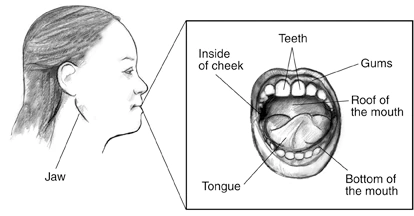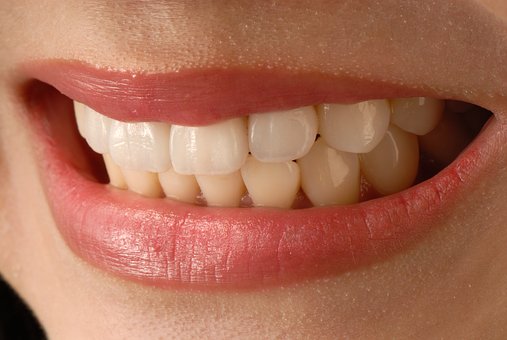
Many people think dental visits are only about cavities, cleanings, or maintaining a bright smile. However, dentists can often identify signs of underlying health conditions during routine oral examinations. One condition that may show early symptoms in the mouth is anemia. Changes in the appearance and health of your gums can sometimes alert dentists to possible issues with your body’s red blood cell levels.
Understanding Anemia and Its Impact on the Body
Anemia occurs when the body does not have enough healthy red blood cells to carry adequate oxygen to tissues. This can happen due to iron deficiency, vitamin deficiencies, blood loss, or certain medical conditions. When oxygen levels in the body drop, several physical symptoms may appear, including fatigue, weakness, dizziness, and pale skin.
What many people don’t realize is that anemia can also affect oral health, especially the gums and soft tissues inside the mouth.
Pale Gums as an Early Warning Sign
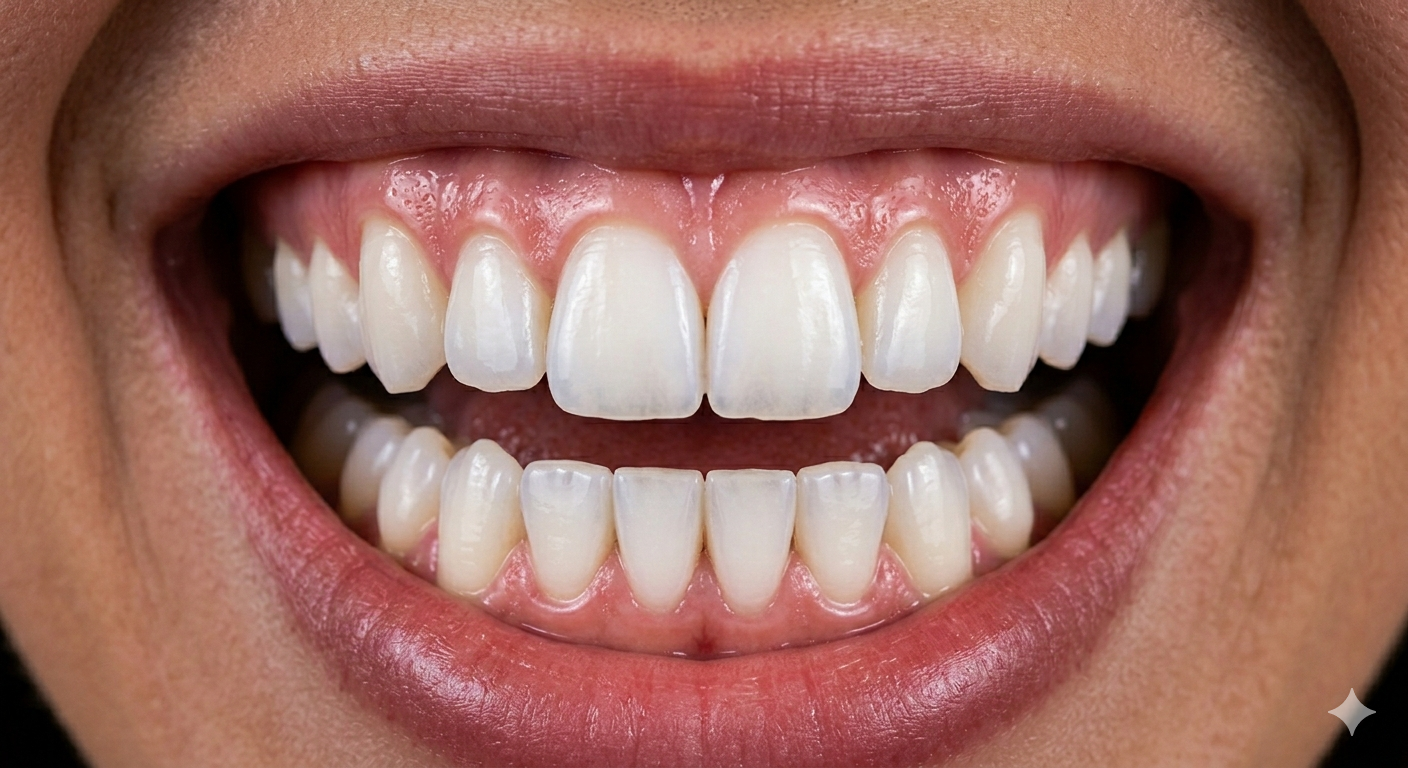
One of the most common oral indicators of anemia is pale gums. Healthy gums usually have a pink color due to good blood circulation. When someone has anemia, the reduced number of red blood cells can cause the gums to appear lighter than usual or almost white.
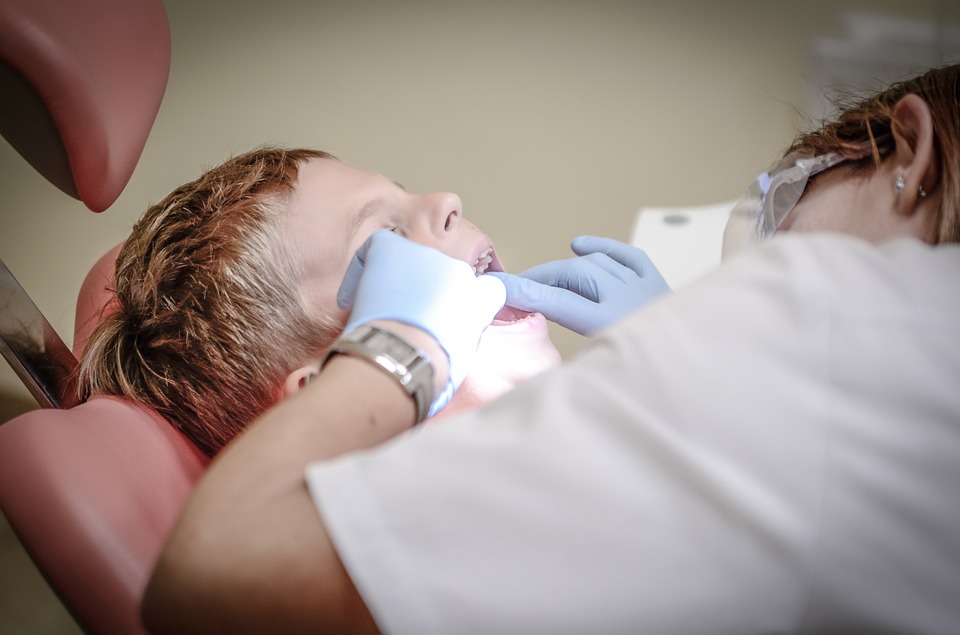
Dentists are trained to notice these subtle color changes during a routine dental exam. If the gums appear unusually pale, it may signal a potential lack of oxygen-rich blood in the tissues.
Swollen or Inflamed Gums
In some cases, anemia gums may also lead to swollen or inflamed gums. Reduced oxygen supply can weaken the body’s immune response, making gum tissues more vulnerable to irritation and inflammation.
This can result in symptoms such as:
Gum tenderness
Swelling around the gumline
Increased sensitivity
Bleeding during brushing or flossing
While these signs may sometimes be related to gum disease, dentists may consider anemia as a possible underlying cause if other symptoms are present.
Smooth or Sore Tongue
Dentists often examine the tongue as part of a routine oral checkup. People with certain types of anemia may develop a smooth, swollen, or sore tongue, a condition known as glossitis.
The tongue may appear redder than normal or lose its natural texture. These changes can occur because vitamin and iron deficiencies affect the health of the tissues in the mouth.
Cracks at the Corners of the Mouth
Another oral symptom dentists watch for is cracks or sores at the corners of the mouth, known as angular cheilitis. These small but painful splits can sometimes be linked to nutritional deficiencies associated with anemia.
Although they can occur for other reasons, their presence along with pale gums or tongue changes may prompt a dentist to suggest further medical evaluation.
Why Regular Dental Visits Matter
Routine dental checkups are important not only for oral health but also for identifying signs of broader health concerns. Dentists are trained to recognize unusual changes in the gums, tongue, and oral tissues that may indicate systemic conditions like anemia.
If your dentist notices signs that could suggest anemia, they may recommend consulting a physician for blood tests and proper diagnosis.
Conclusion
Your mouth can reveal valuable clues about your overall health. Pale gums, swollen tissues, tongue changes, and mouth sores can sometimes signal early signs of anemia. By attending regular dental visits and paying attention to changes in your oral health, you can catch potential problems early and take steps toward better overall well-being.