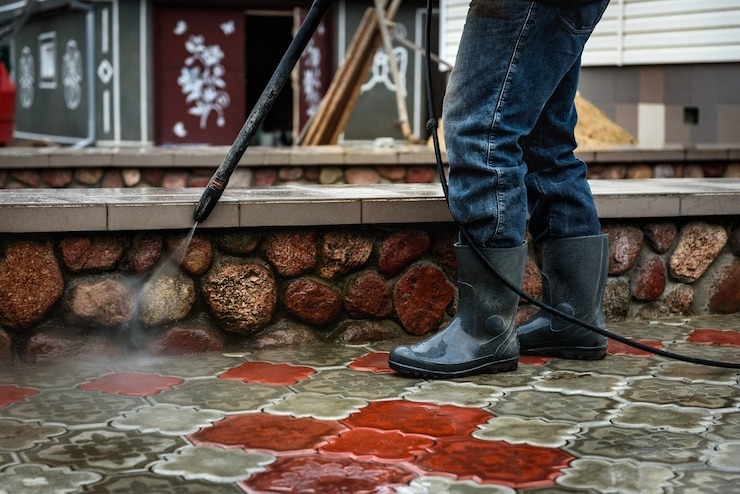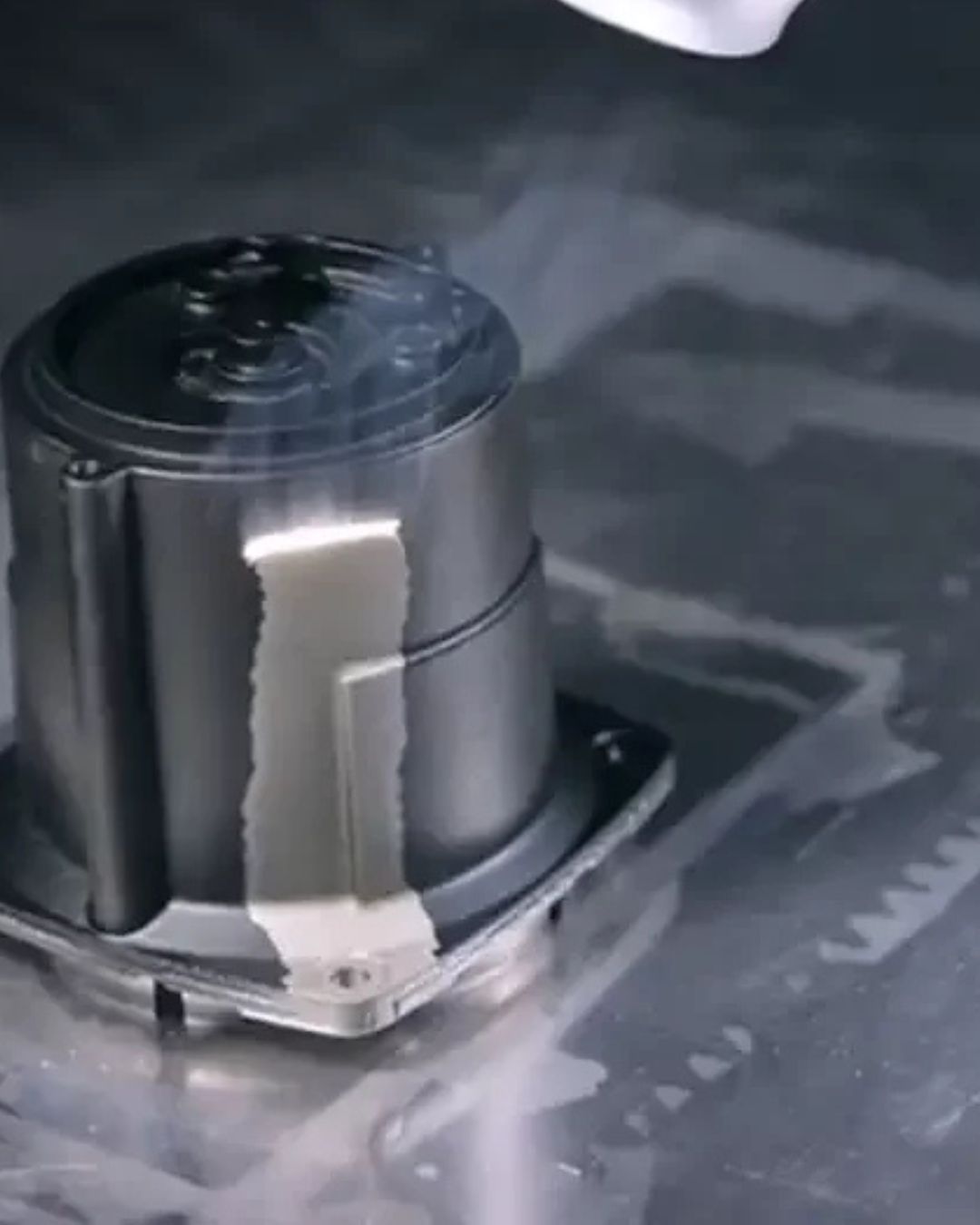
Metal tells a story. Over time, exposure to moisture and air leaves its mark, and rust becomes part of that narrative. For decades, grinding was the default response—fast, aggressive, and visibly effective. Yet industries and restorers alike have begun rethinking that approach. Non-abrasive rust removal represents a quieter evolution in surface treatment. Instead of stripping away layers of material, it focuses on precision and preservation. The shift reflects a deeper understanding: removing corrosion should not mean sacrificing integrity.
The Hidden Cost Of Grinding
Grinding appears efficient. Sparks fly, corrosion disappears, and the surface looks clean. But beneath that quick transformation lies an unavoidable tradeoff. Abrasive methods remove not only rust but also healthy metal.
Over time, repeated grinding can thin structural components, alter tolerances, and create uneven finishes. In delicate restorations or industrial settings where precision matters, that material loss becomes significant.
This realization led many professionals to explore alternatives like laser rust removal, a process designed to target corrosion without mechanical contact. The difference is subtle yet powerful. Instead of scraping or sanding, energy is directed only at the oxidized layer.
As industries adopted more advanced techniques, they recognized that preservation often outweighs speed. A surface maintained with care can last longer and perform better under stress.
Precision Without Surface Damage
One of the most compelling advantages of Non-abrasive rust removal is its ability to focus exclusively on corrosion. The underlying metal remains intact. That precision changes everything.
Traditional grinding can leave micro-abrasions, which sometimes accelerate future oxidation if not properly treated. By contrast, modern methods such as laser rust removal minimize mechanical impact, reducing the likelihood of surface distortion.
In large-scale operations, companies increasingly turn to a mobile laser cleaning service to address corrosion directly on-site. This approach reduces downtime while maintaining accuracy. Equipment remains in place, and surfaces are treated without disassembly.
The emphasis shifts from force to finesse. From removal to restoration.
Efficiency Meets Adaptability
Rust does not appear uniformly. It gathers in corners, along welds, and within intricate components. Grinding tools, though powerful, can struggle in tight or sensitive areas.
This is where laser rust removal demonstrates versatility. Its focused application allows operators to reach detailed surfaces without affecting surrounding materials. Complex geometries become manageable.
A mobile laser cleaning service also adapts to diverse environments. From heavy machinery to structural frameworks, technicians can apply treatment precisely where needed. The flexibility reduces logistical challenges often associated with transporting large equipment.
By contrast, abrasive grinding may require dismantling parts or repositioning structures. That added effort consumes time and increases labor demands.
Environmental And Safety Considerations
Modern industries increasingly evaluate processes through an environmental lens. Grinding produces dust, debris, and airborne particles. Protective measures are essential, yet the byproducts remain.
With Non-abrasive rust removal, particularly in laser-based applications, the process often generates minimal waste. Rust particles are vaporized or captured, reducing contamination risks.
Similarly, a mobile laser cleaning service can streamline containment strategies. Because the method avoids abrasive blasting materials, it limits secondary waste disposal concerns.
Safety improves not only for operators but also for surrounding environments. Reduced vibration, lower particulate output, and targeted treatment all contribute to cleaner operations.
Long-term Structural Integrity
When corrosion removal preserves original material thickness, structural reliability remains stronger over time. This factor becomes crucial in infrastructure, manufacturing equipment, and restoration projects.
Midway through evaluating options, many decision-makers recognize that Non-abrasive rust removal aligns with longevity goals. Instead of repeatedly grinding surfaces thinner, they maintain dimensional stability.
Repeated reliance on grinding can subtly compromise load-bearing capacity. Even minor reductions in thickness accumulate across maintenance cycles.
Advanced alternatives such as laser rust removal break that cycle. By addressing oxidation precisely, they maintain original specifications. The result is not only cosmetic improvement but functional resilience.
Balancing Tradition And Innovation
Grinding has its place. It remains useful for heavy material removal or reshaping. Yet corrosion control requires a different mindset.
As technology evolved, so did expectations. The availability of a mobile laser cleaning service introduced mobility to what was once confined to specialized facilities. Maintenance teams can now address corrosion in real time, adjusting schedules without extensive downtime.
That adaptability reflects a broader shift toward precision engineering. Efficiency no longer means brute force; it means targeted intervention.
In this landscape, laser rust removal embodies innovation without unnecessary complexity. It refines rather than replaces established practices, complementing traditional methods where appropriate.
The Strategic Perspective
Choosing a rust removal method is rarely about one project. It’s about long-term strategy. Maintenance cycles, cost control, environmental impact, and material preservation all intersect.
By prioritizing Non-abrasive rust removal, organizations position themselves for sustainable upkeep. They minimize repeated surface degradation and maintain consistent performance standards.
The conversation has evolved from “How quickly can we remove rust?” to “How can we remove rust without compromising the asset?” That subtle change in question reveals a deeper awareness of lifecycle management.
Conclusion
Corrosion may be inevitable, but unnecessary material loss is not. Grinding once defined rust removal, yet modern priorities emphasize preservation and precision. Non-abrasive rust removal offers a balanced approach—protecting structural integrity while addressing oxidation effectively. As technologies like laser rust removal and adaptable solutions such as a mobile laser cleaning service continue to mature, the future of surface treatment appears less destructive and far more deliberate, guided by strategy rather than sparks.

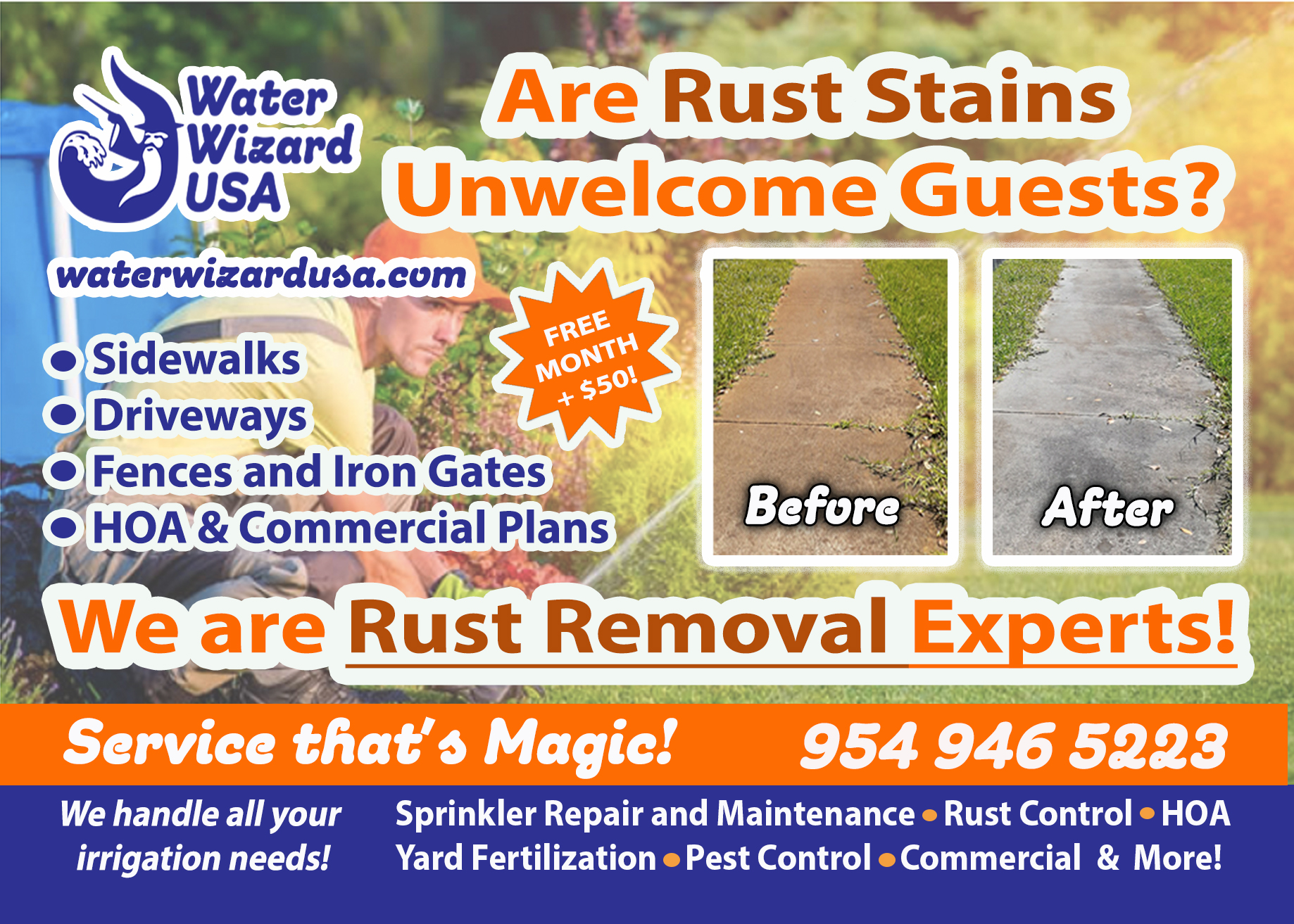
We can give you multiple reasons to hire them but let’s discuss a few of the best.
First of all, when you hire Water Wizard USA for the Sprinkler Rust Removal Company Fort Lauderdale work it comes with a highly affordable price tag.