

Where Output Starts to Shape Decisions... At a certain scale, roasting decisions stop being theoretical. Capacity, airflow control, thermal response, and labor rhythm begin to define daily outcomes.
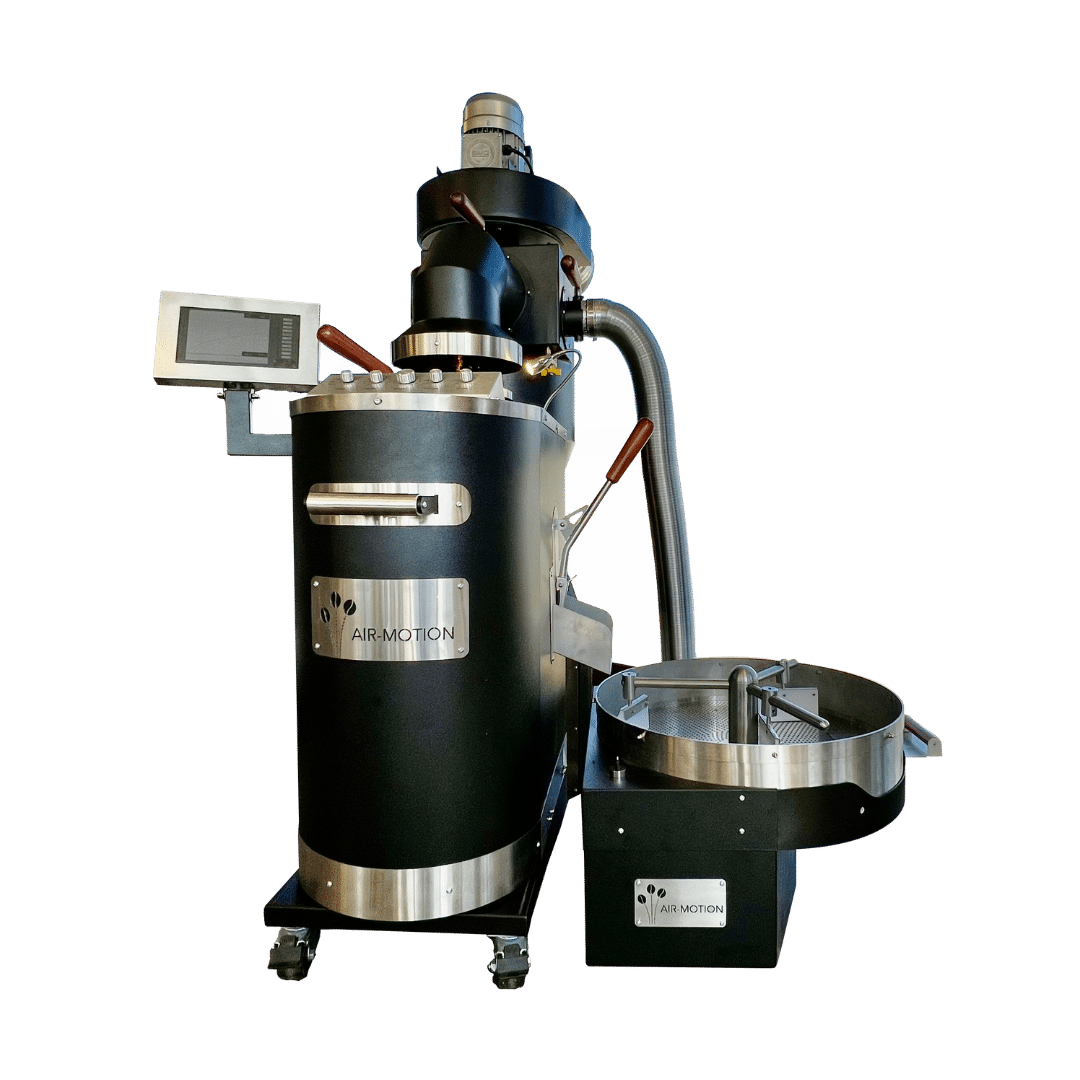
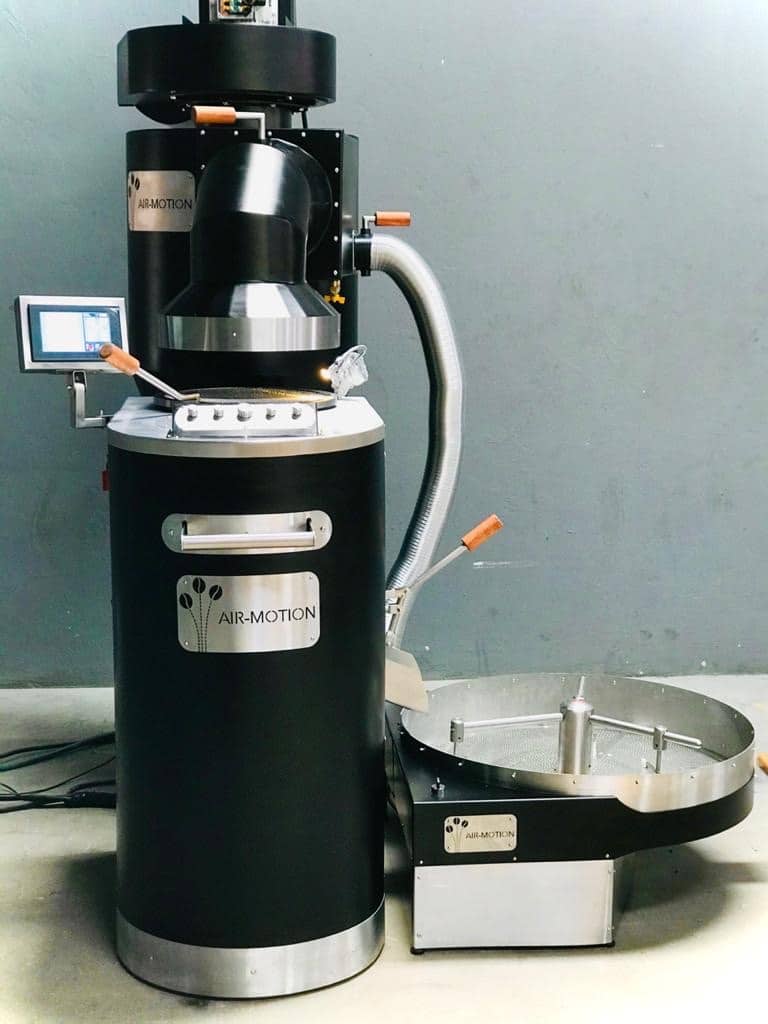
A 12kg air coffee roaster sits precisely at that inflection point—large enough to support serious production, yet still expected to respond to nuanced profile changes.
This article examines how that balance plays out in practice, and why trade-offs between throughput and adaptability deserve closer scrutiny before committing to equipment that will quietly shape every roast ahead.
What Does “Production” Really Mean At The 12kg Scale?
Production is not just kilograms per hour. It includes consistency across batches, predictable cycle times, and reduced variance during long roasting days. At this capacity, you are no longer compensating manually for every fluctuation.
Systems are expected to hold thermal stability, manage airflow precisely, and repeat outcomes without constant intervention. The roaster is already doing most of the thinking, whether you intend it to or not.
Can Flexibility Survive At Higher Output Levels?
Flexibility does not disappear with scale—it changes form.
At 12kg capacity, flexibility is built into control systems rather than manual intervention. Airflow modulation, heat application, and roast progression remain adjustable throughout the cycle.
Profile development still evolves over time. Seasonal coffees are accommodated without reengineering the process. This makes the system adaptable without being reactive.
When evaluating whether to buy air coffee roaster equipment, flexibility should be defined as controlled adaptability, not constant tinkering.
Can High Throughput And Precision Coexist?
At smaller capacities, precision is achieved through attention. At larger ones, precision must be engineered. A 12kg system prioritizing production will favor stable thermal momentum, minimizing spikes and drops across consecutive batches.
The challenge is maintaining that momentum while still allowing mid-profile corrections. When this balance is achieved, throughput increases without flattening flavor expression or forcing rigid profiles.
Why Airflow Control Becomes More Critical Than Heat Alone?
Heat application is only half the equation. Airflow governs bean movement, heat exposure, and byproduct removal. At this scale, insufficient airflow control leads to uneven development long before it causes visible defects.
Systems that suspend beans evenly allow heat to act uniformly, reducing reliance on aggressive temperature adjustments. This design logic is a major reason some operators begin to buy air coffee roaster systems as production volumes increase.
Does Repeatability Limit Creativity?
Repeatability is often misunderstood as rigidity.
In reality, repeatable systems free mental bandwidth. When baseline performance is predictable, creative energy shifts toward profile refinement rather than error correction.
At this capacity, roast data becomes reliable. Adjustments are intentional, not reactive. Creativity is expressed through controlled change, not risk.
This is why many choose to buy an air coffee roaster system when scaling. Predictability enables exploration without jeopardizing output.
How Does Roasting Time Factor Into Production Strategy?
At this capacity, roasting time is no longer just a metric—it is a scheduling constraint. Faster is not inherently better if it compresses development or reduces margin for adjustment.
Most operators prioritize repeatable cycles that align with staffing, cooling efficiency, and post-roast handling. When time per batch is predictable, production planning becomes scalable rather than reactive.
How Does Workflow Improve at a 12kg Scale?
Workflow improvements are subtle but cumulative.
Batch timing aligns better with labor schedules. Cooling cycles integrate smoothly with production flow. Maintenance becomes routine rather than disruptive.
This scale supports steady momentum. Operators move from batch to batch with minimal downtime. The roasting environment remains clean, organized, and consistent.
Those evaluating a fluid bed coffee roaster for sale often underestimate workflow gains, yet these gains define long-term efficiency.
What Trade-Offs Signal A Production-First Design?
Production-focused designs emphasize thermal mass, automated controls, and reduced sensitivity to minor input changes. Flexibility-first designs favor rapid response and lower inertia…
Neither approach is universally superior. The question is whether your operation values maximum hourly output or controlled adaptability during varied roast schedules. At 12kg, that decision becomes structural rather than philosophical.
How Should Future Growth Influence Today’s Choice?
Equipment at this scale is rarely a temporary solution. Decisions made now will influence staffing models, green buying strategies, and product mix for years. If growth is expected to come from volume, production stability will dominate priorities.
If growth depends on differentiation, responsiveness, and profile, agility will matter more. The roaster will either support that direction or quietly resist it.
Conclusion: Choosing Which Constraint You Can Live With
Every roaster imposes limits. The question is whether those limits restrict output or restrict adaptability. A 12kg air coffee roaster forces that choice into focus, revealing what matters most once production becomes routine rather than aspirational.
Understanding where flexibility truly adds value—and where stability quietly pays dividends—turns this decision from a purchase into a long-term operational strategy.