


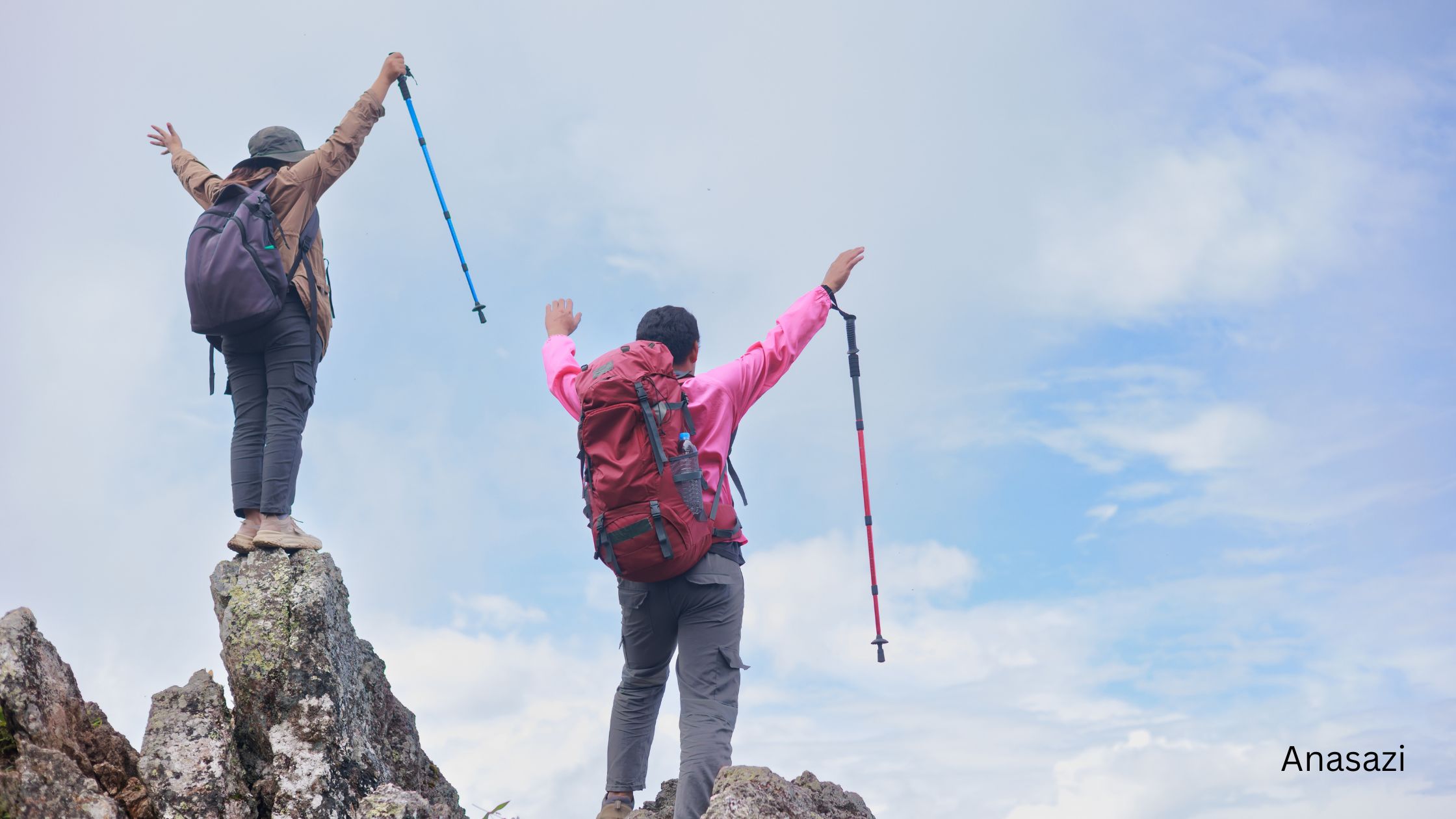
Teen years can be challenging for both young people and their families. Many teens feel overwhelmed by school pressure, social expectations, and constant digital distractions. When these struggles build up, it becomes harder for them to develop confidence, responsibility, and emotional strength.
This is one reason many families begin looking for different approaches to support their teens. One approach that continues to gain attention is spending structured time in nature while receiving guidance and support. These experiences help teens slow down, reflect, and learn practical life lessons that are difficult to teach in a traditional setting.
Outdoor environments naturally create situations where responsibility and resilience grow over time.
The Power of Nature in Personal Growth
Nature has a quiet way of helping people see things differently. When teens step away from screens, busy schedules, and daily pressures, they often begin to notice their thoughts and emotions more clearly.
Simple activities such as hiking, preparing meals outdoors, or setting up camp require patience and effort. These tasks may seem small, but they help teens understand the value of responsibility. When a young person contributes to the group and completes daily tasks, they start to feel capable and dependable.
Being outdoors also presents natural challenges. Weather changes, long walks, and unfamiliar routines push teens outside their comfort zones. Instead of avoiding these challenges, they learn to work through them. This process slowly builds resilience.
Over time, many teens begin to realize that they are stronger and more capable than they believed.
Learning Responsibility Through Outdoor Therapy Programs
Outdoor therapy programs create structured environments where teens learn to take ownership of their actions. Unlike traditional settings where adults handle most responsibilities, outdoor programs often encourage participants to take an active role in daily routines.
Teens may help plan hikes, manage supplies, or assist with group tasks. These responsibilities teach them that their actions matter. If they forget something important or avoid a task, the group feels the impact. On the other hand, when they contribute and support others, the group becomes stronger.
This shared responsibility helps teens develop accountability in a natural way. Instead of lectures or punishment, the lessons come through real experiences.
Mentors and guides also play an important role. They help teens reflect on what they are learning and how those lessons apply to everyday life. Conversations around the campfire or during a quiet walk can open the door for meaningful growth.
Over time, teens often begin to show more initiative, better decision making, and stronger communication skills.
How a Therapeutic Wilderness Program Builds Resilience
A therapeutic wilderness program focuses not only on outdoor activities but also on emotional growth. These programs combine guided experiences in nature with supportive mentorship and reflection.
Resilience develops when teens face challenges and learn how to move through them. In the wilderness, those challenges might include long hikes, unexpected weather, or moments of frustration. While these experiences can feel difficult at first, they teach an important lesson: challenges can be managed and overcome.
As teens work through obstacles, they begin to build confidence. They see that setbacks do not define them. Instead, they become opportunities to learn and improve.
Another important part of resilience is self awareness. Time in nature often creates space for reflection. Without constant digital noise, teens can think about their choices, relationships, and goals more clearly.
Guides and mentors support this process by encouraging honest conversations and helping teens identify their strengths. When young people feel understood and supported, they become more willing to face difficulties instead of avoiding them.
Many families notice that teens return from these programs with a stronger sense of responsibility and a more positive outlook.
Why These Experiences Matter for Teens
Responsibility and resilience are two qualities that help teens succeed far beyond their teenage years. These skills influence how young people approach school, relationships, and future challenges.
Outdoor experiences allow teens to practice these skills in real situations rather than just talking about them. They learn that effort leads to progress and that difficult moments can lead to growth.
For many teens, the experience becomes a turning point. They begin to see themselves differently and recognize their own potential.
Families also benefit from this growth. When teens develop responsibility and resilience, communication at home often improves. Trust can slowly be rebuilt, and relationships become stronger.
Final Thoughts
Teen growth does not always happen in a classroom or through lectures. Sometimes the most meaningful lessons come from real experiences in the natural world.
Time spent outdoors encourages teens to slow down, face challenges, and discover their own strength. Through shared responsibilities and guided reflection, they begin to build the confidence and resilience needed for the future.
Outdoor settings may seem simple, but the lessons learned there often stay with teens long after they return home.
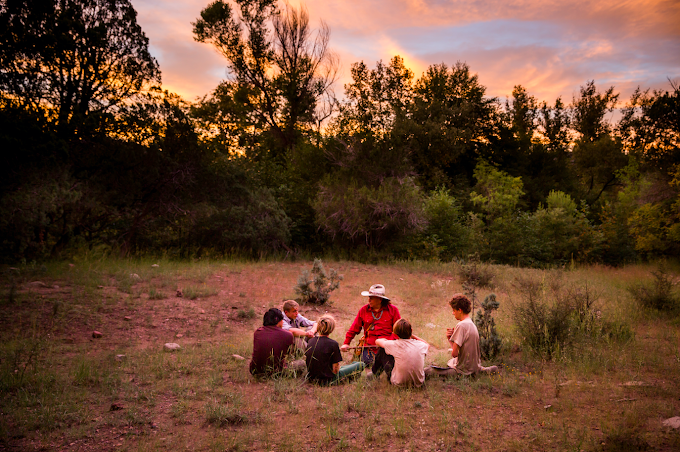

There are a set of benefits to children from playing in an open environment.
It removes stress, improves children's mood and gives them a better sleep.
Additionally, low to moderate intensity of physical exercise can protect them for weight gain.