
Types of Care Homes in Northern Ireland
Care homes play a very important role in supporting people who need help in their daily life. Many elderly people, people with disabilities, and people who need regular care stay in care homes where trained staff can support them. In Care Homes in Northern Ireland, residents get help with daily activities, medical care, and emotional support.
These care homes are designed to provide a safe and comfortable place for people who cannot fully take care of themselves at home. Different care homes provide different levels of support depending on the needs of the residents.
What Is a Care Home
A care home is a place where people live and receive care from trained staff. Care assistants, nurses, and support workers help residents with everyday activities like eating, bathing, dressing, and taking medicines.
Care homes also give residents a chance to socialise with others, take part in activities, and live in a supportive environment.
Residential Care Homes
Residential care homes are one of the most common types of care homes.
These homes are suitable for people who need help with daily activities but do not need regular medical treatment from nurses.
In residential care homes, staff help residents with
Bathing and dressing
Preparing and serving meals
Cleaning and laundry
Social activities and companionship
These homes focus mainly on personal care and support.
Nursing Homes
Nursing homes provide a higher level of care compared to residential homes. In these homes, qualified nurses are available to provide medical support.
People who need regular health monitoring or medical treatment usually stay in nursing homes.
Services in nursing homes include
Medical care from registered nurses
Regular health monitoring
Support with medications
Special care for long term health conditions
Many hospitals and healthcare organisations work closely with nursing homes when patients need long term care.
Dementia Care Homes
Dementia care homes are specially designed for people living with dementia or memory related illnesses.
These homes have trained staff who understand the challenges of dementia and provide special support to residents.
Common support provided includes
Memory care support
Safe and secure living environment
Structured daily routines
Activities that support memory and mental health
Staff in these homes receive special training to support people with dementia.
Respite Care Homes
Respite care homes provide short term care for people who usually stay at home but need temporary support.
This type of care is useful when family caregivers need a break or when someone is recovering after a hospital stay.
Respite care homes offer
Short term accommodation
Personal care support
Meal preparation
Temporary medical monitoring
Many families use respite care services to make sure their loved ones receive proper care for a short period.
Specialist Care Homes
Some care homes provide specialist services for people with specific health conditions.
These homes may support people with
Physical disabilities
Mental health conditions
Learning disabilities
Long term medical needs
Staff working in these homes usually have additional training and experience.
Working in Care Homes
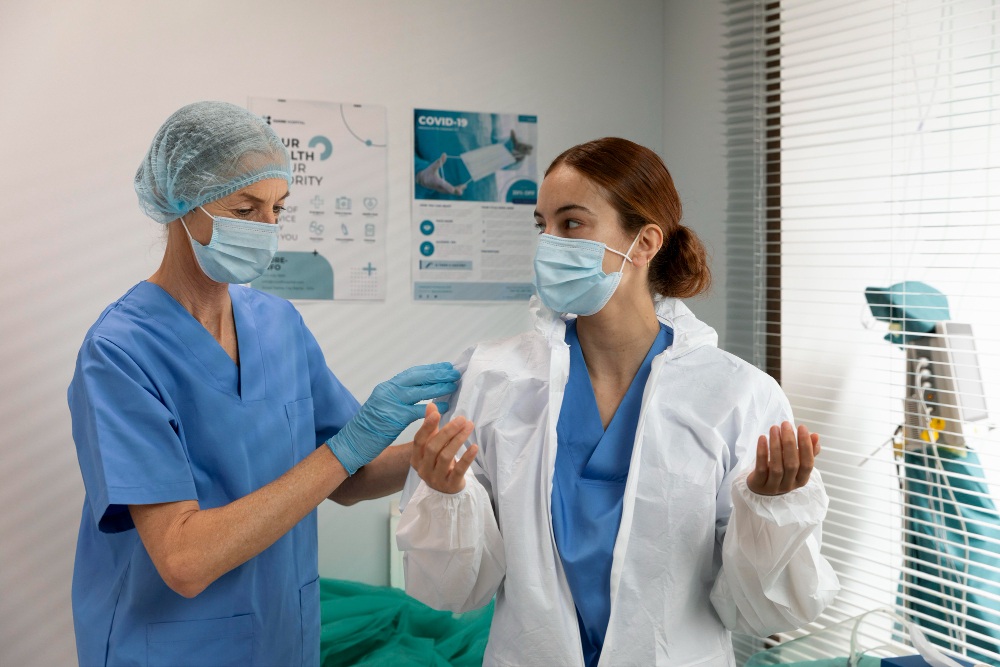
Care homes create many job opportunities for people who want to work in the healthcare sector. Roles like care assistant, support worker, and nurse are always in demand.
Many people find jobs through healthcare recruitment northern ireland, which helps connect healthcare workers with care homes and hospitals looking for staff.
There are also services like healthcare recruitment agency northern ireland that help employers find trained workers quickly when there is a shortage of staff.
In cities like Belfast, some employers work with healthcare recruitment agencies belfast to hire qualified care assistants and nurses for different care facilities.
In the middle of this growing healthcare sector, companies like Xpress Health help healthcare professionals find flexible shifts and connect them with care homes and healthcare facilities that need support.
Sometimes care homes also work with a healthcare agency northern ireland when they need temporary staff to cover shifts or support during busy periods.
Why Care Homes Are Important
Care homes are very important for society because they support people who cannot fully care for themselves.
Some benefits of care homes include
Safe and supportive living environment
Professional care from trained staff
Social interaction with other residents
Regular monitoring of health and wellbeing
Peace of mind for families
Conclusion
There are different types of Care Homes in Northern Ireland, and each one provides different levels of support depending on the needs of residents. From residential care homes to nursing homes and specialist care homes, these facilities help many people live safely and comfortably.
At the same time, care homes also create many career opportunities for healthcare workers who want to make a difference in people’s lives. Working in the care sector can be a meaningful career where you help others every day.


https://www.eurotickets2020.com/euro-cup-teams-tickets/northern-ireland-euro-cup-tickets/Northern Ireland's Euro 2020 qualifying hopes existed a shock as two late goals snatched a 2-1 win in Estonia.
And three minutes later Northern Ireland was ahead as Magennis got a skillful touch to Jones' cross for the ball to flow over the line.https://blog.eurotickets2020.com/josh-magennis-earns-a-critical-win-in-euro-2020-qualifier-estonia-1-2-northern-ireland/
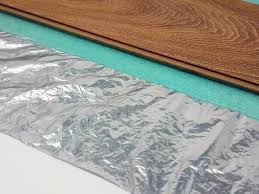
Looking for the best and affordable tiles in Northern Ireland?
If yes then Tiles Wood Floorni is an ideal place for you.
Here you can find beautiful and long-lasting tiles at the best price.