Renovating a home is one of the most effective ways to improve comfort, increase property value, and adapt a living space to changing needs. Whether you want to modernize an outdated interior, expand your living area, or repair structural elements, a well-planned house renovation project can completely transform how your home looks and functions.
However, renovation projects often involve complex decisions, multiple contractors, budgeting challenges, and long timelines. Without proper preparation, costs can quickly escalate and delays can become frustrating. This comprehensive guide explains everything homeowners need to know before starting a renovation—from planning and budgeting to design choices and common mistakes to avoid.
What Is House Renovation?
House renovation refers to improving, repairing, or updating an existing home without completely rebuilding it. Renovations may involve structural changes, interior redesign, or upgrading systems such as plumbing, electrical wiring, insulation, and heating.
Common renovation goals include:
Improving functionality and layout
Increasing energy efficiency
Modernizing interior design
Repairing aging structures
Increasing property value
Creating additional living space
A well-executed renovation not only enhances everyday living but also makes a property more attractive to potential buyers.
Benefits of Renovating Your Home
Homeowners choose renovation projects for many different reasons. The benefits often extend beyond aesthetics.
1. Increased Property Value
One of the biggest advantages of renovation is the potential increase in property value. Updated kitchens, modern bathrooms, and energy-efficient systems significantly improve resale potential.
Some renovations that typically offer the best return on investment include:
Kitchen upgrades
Bathroom remodeling
Roof replacement
Window replacement
Energy-efficient improvements
2. Improved Comfort and Functionality
Older homes often have layouts that no longer match modern lifestyles. Renovation allows homeowners to:
Open up living spaces
Create home offices
Expand kitchens
Add storage solutions
These improvements make daily living more convenient and comfortable.
3. Energy Efficiency
Many older houses lack modern insulation, windows, or energy-efficient systems. Renovation projects often include upgrades such as:
Double or triple-pane windows
Improved insulation
Modern HVAC systems
Smart home technology
These upgrades reduce utility bills and improve sustainability.
4. Personalization
Renovation allows homeowners to tailor their living space to their preferences. Colors, materials, layouts, and finishes can all be customized to match individual style.
Planning a House Renovation
Successful renovations begin with careful planning. Skipping this step can lead to unexpected expenses and project delays.
Define Your Renovation Goals
Before hiring contractors or designing new spaces, clearly identify what you want to achieve. Ask yourself:
What problems does the current house have?
Which areas need improvement?
What is the long-term plan for the property?
Having clear goals helps prioritize tasks and avoid unnecessary changes later.
Determine Your Budget
Budget planning is essential. Renovation costs vary widely depending on the scope of work.
Typical cost factors include:
Labor
Materials
Structural changes
Permits
Unexpected repairs
Experts often recommend setting aside an additional 10–20% contingency fund for unexpected issues.
Research Local Regulations
Many renovation projects require permits and inspections. Structural modifications, electrical upgrades, plumbing changes, and additions often require approval from local authorities.
Failing to obtain the proper permits can result in fines and problems when selling the property later.
Creating a Renovation Timeline
Renovation projects rarely happen overnight. Understanding the timeline helps set realistic expectations.
Typical renovation phases include:
Planning and design (2–8 weeks)
Budget approval and contractor selection (2–4 weeks)
Permit approval (varies by location)
Construction and renovation work (weeks or months)
Final inspection and finishing touches
Large renovation projects can take several months or even longer depending on complexity.
Choosing the Right Professionals
Hiring experienced professionals can make the difference between a successful renovation and a stressful experience.
Architects and Designers
Architects help plan structural changes and ensure renovations meet building codes. Interior designers assist with layout, materials, and aesthetics.
General Contractors
General contractors manage construction work, coordinate subcontractors, and oversee project timelines.
Specialized Contractors
Depending on the project, you may also need:
Electricians
Plumbers
Roofing specialists
HVAC technicians
Flooring installers
Always check credentials, reviews, and previous work before hiring professionals.
Renovation Ideas for Different Areas of the Home
Each part of a home presents unique renovation opportunities.
Kitchen Renovation
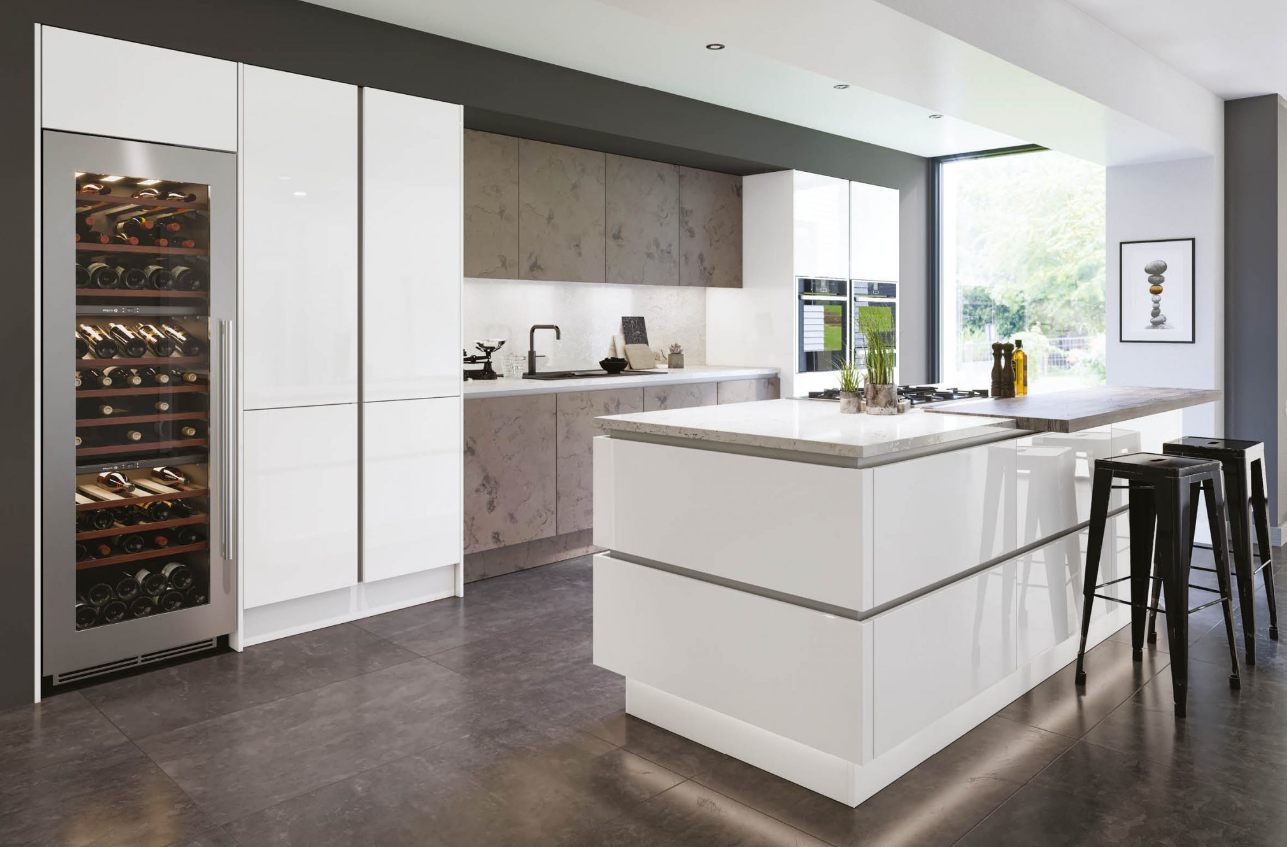
The kitchen is often considered the heart of the home. Renovating this space can dramatically improve functionality and value.
Popular kitchen upgrades include:
Open-concept layouts
Kitchen islands
Energy-efficient appliances
Modern cabinetry
Durable countertops
Materials such as quartz, granite, and engineered stone are commonly used for countertops due to durability and aesthetics.
Bathroom Renovation
Bathrooms are another high-impact renovation area.
Common improvements include:
Walk-in showers
Modern vanities
Heated floors
Improved lighting
Water-efficient fixtures
Even small bathroom upgrades can significantly enhance comfort and style.
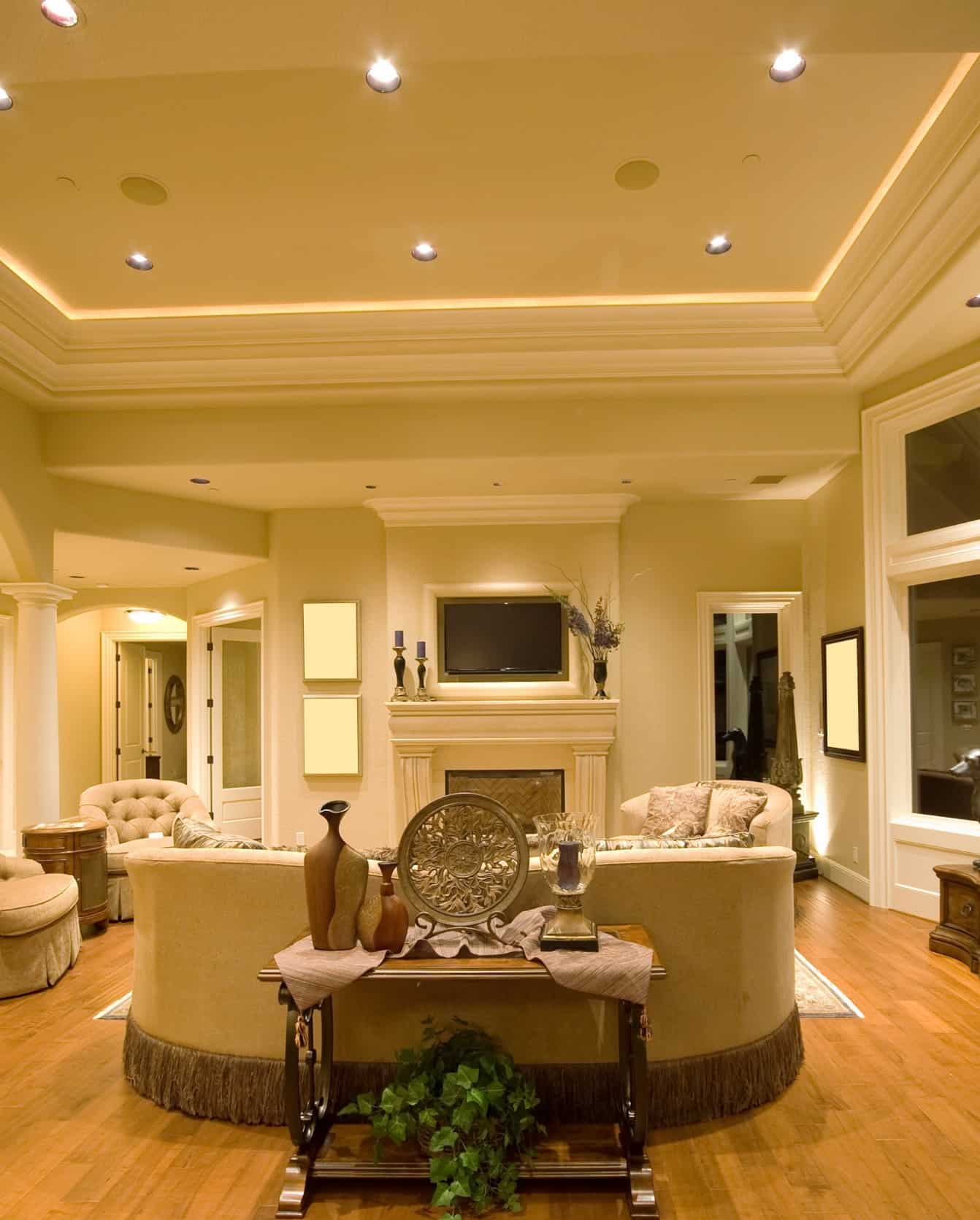
Living Room Renovation
Living rooms benefit from design updates that improve both aesthetics and functionality.
Popular upgrades include:
Built-in shelving
Fireplace updates
Large windows for natural light
Modern flooring materials
Smart lighting systems
Creating a comfortable and inviting living room often becomes a central focus during a house renovation project.
Bedroom Improvements
Bedrooms should promote relaxation and comfort. Renovations often include:
Built-in wardrobes
Improved insulation
Soundproof windows
Better lighting systems
Simple updates such as new flooring or paint can completely change the atmosphere.
Basement Renovation
Basements often represent unused space that can be transformed into functional areas.
Possible basement conversions include:
Home offices
Entertainment rooms
Guest bedrooms
Fitness areas
Proper insulation and moisture control are essential when renovating basements.
Structural Renovation Considerations
Some renovation projects involve structural changes that require careful planning.
Examples include:
Removing load-bearing walls
Adding extensions
Reinforcing foundations
Replacing roofs
These projects typically require architectural planning and structural engineering approval to ensure safety.
Energy-Efficient Renovation Solutions
Sustainable renovation practices are becoming increasingly popular.
Energy-efficient upgrades include:
Solar panels
Smart thermostats
LED lighting
High-efficiency heating systems
Advanced insulation materials
These upgrades reduce long-term energy costs and improve environmental sustainability.
Budgeting Tips for Renovation Projects
Renovation budgets can quickly grow if not carefully managed. The following tips help control expenses.
Prioritize Essential Improvements
Start with necessary repairs and structural improvements before focusing on cosmetic upgrades.
Compare Multiple Quotes
Always obtain quotes from several contractors to ensure competitive pricing.
Avoid Frequent Design Changes
Changing plans during construction often leads to higher costs and delays.
Invest in Quality Materials
Cheaper materials may save money initially but can lead to higher maintenance costs in the future.
Common Renovation Mistakes to Avoid
Many homeowners encounter similar challenges during renovation projects. Avoiding these mistakes can save time and money.
Underestimating Costs
Unexpected structural issues, outdated wiring, or plumbing problems often appear during renovations.
Always include a contingency budget.
Poor Planning
Starting construction without a clear plan often leads to design inconsistencies and project delays.
Hiring Unqualified Contractors
Choosing contractors solely based on low prices can lead to poor workmanship.
Always verify credentials and references.
Ignoring Lighting Design
Lighting plays a major role in the overall feel of a home. Proper lighting planning should be included in the design stage.
Renovation vs. Remodeling vs. Rebuilding
Many homeowners confuse these terms.
Renovation refers to improving or restoring existing structures.
Remodeling changes the layout or structure of spaces.
Rebuilding involves demolishing and constructing new structures.
Understanding the difference helps determine the scope of work required.
Trends in Modern Home Renovation
Home renovation trends continue to evolve as homeowners seek comfort, efficiency, and technology integration.
Open Floor Plans
Removing walls to create open living areas is one of the most popular design trends.
Smart Homes
Technology integration includes:
Voice-controlled lighting
Smart security systems
Automated climate control
Sustainable Materials
Eco-friendly materials such as reclaimed wood, bamboo flooring, and recycled metal are increasingly popular.
Multi-Functional Spaces
Homes now often include spaces that serve multiple purposes, such as home offices that convert into guest rooms.
Preparing Your Home for Renovation
Before construction begins, homeowners should take several steps to prepare.
Important preparations include:
Removing valuable items
Protecting furniture
Setting up temporary living areas
Informing neighbors about potential noise
Proper preparation helps minimize disruption during construction.
Final Inspection and Finishing Touches
After construction work is completed, the final stage involves inspection and finishing details.
Tasks typically include:
Checking electrical systems
Testing plumbing
Ensuring structural safety
Completing paint and decorative finishes
This stage ensures the renovation meets safety standards and design expectations.
Long-Term Maintenance After Renovation
Once renovation work is complete, proper maintenance helps preserve the investment.
Key maintenance practices include:
Regular roof inspections
HVAC system servicing
Plumbing checks
Cleaning and sealing surfaces
Maintaining renovated spaces helps extend the lifespan of materials and systems.
Conclusion
Renovating a home is a significant project that requires planning, budgeting, and collaboration with skilled professionals. When executed correctly, a well-planned house renovation can dramatically improve comfort, functionality, and property value.
By carefully defining goals, setting realistic budgets, choosing qualified contractors, and following a structured renovation plan, homeowners can transform outdated spaces into modern, efficient, and beautiful living environments.
Whether updating a single room or renovating an entire property, thoughtful preparation and informed decisions will ensure the renovation project delivers lasting results and a home that truly meets your needs.