The construction and infrastructure industries are constantly evolving, and advanced machinery plays a key role in improving efficiency and productivity. One such machine that has seen significant technological advancements is the chain trencher. Traditionally used for digging narrow and deep trenches for pipelines, cables, irrigation systems, and drainage networks, this equipment is now being enhanced with modern technologies. Innovations in automation, digital control systems, and sustainable engineering are transforming how trenching operations are performed.
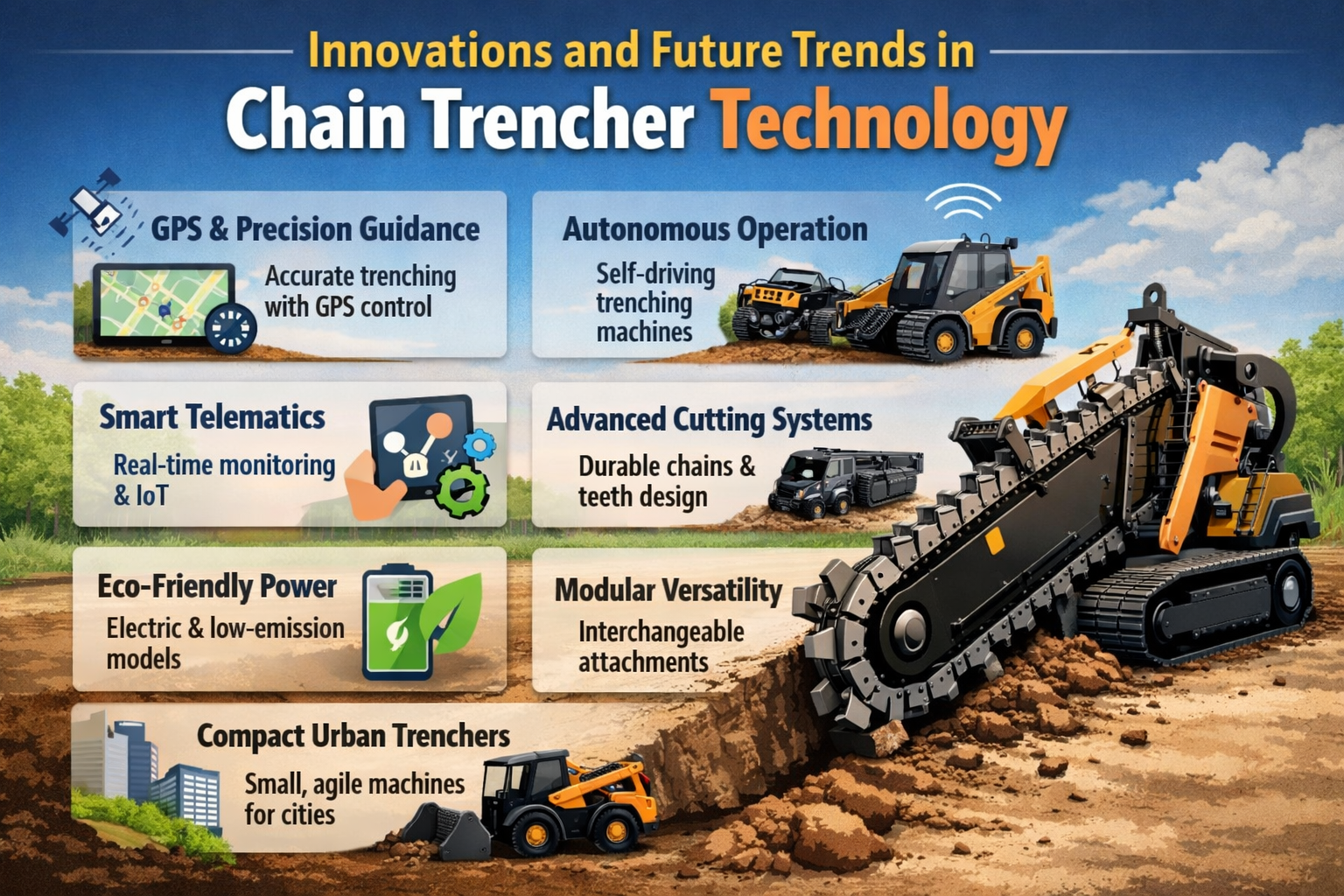
1. Integration of GPS and Precision Guidance Systems
One of the most important innovations in trenching equipment is the integration of GPS and laser guidance technology. Modern machines are equipped with advanced navigation systems that allow operators to maintain precise trench depth and alignment. These systems ensure that trenching follows a pre-defined path with minimal deviation, which is especially important for underground utilities such as fiber-optic cables and pipelines.
GPS-guided trenching significantly reduces errors and material waste while improving efficiency on construction sites. It also enables automated grade and depth control, ensuring consistent trench quality across long projects.
2. Automation and Autonomous Operation
Automation is becoming a major trend in heavy construction equipment. Researchers and manufacturers are exploring autonomous trenching machines capable of performing digging operations with minimal human intervention. These automated systems use sensors, artificial intelligence, and machine learning algorithms to detect soil conditions and adjust cutting speed and depth accordingly.
In the future, a fully automated chain trencher could operate in hazardous environments or remote construction sites where manual operation would be risky or inefficient. This technology has the potential to improve productivity while enhancing worker safety.
3. Smart Telematics and IoT Integration
Another major innovation is the integration of telematics and Internet of Things (IoT) technology. Modern trenching equipment can transmit real-time data related to engine performance, fuel consumption, and machine health to remote monitoring systems.
Fleet managers can track machine location, detect maintenance needs, and analyze operational performance through digital dashboards. This predictive maintenance approach helps reduce downtime and ensures that the chain trencher operates at peak efficiency throughout its lifecycle.
4. Improved Cutting Chain and Tooth Design
Manufacturers are also focusing on improving the mechanical components of trenchers. Advanced cutting chains and tooth designs made from stronger materials increase durability and reduce wear during trenching operations.
Modern designs optimize soil penetration and improve breakout force, enabling machines to work effectively even in hard or abrasive ground conditions. Improved gearboxes, hydraulic systems, and adjustable chain speeds also enhance performance and reduce operating costs.
5. Environmentally Friendly and Energy-Efficient Machines
Environmental sustainability is becoming a key consideration in equipment design. Manufacturers are developing trenchers with fuel-efficient engines and lower emissions to meet global environmental regulations.
Electric-powered trenchers are also emerging as an alternative to traditional diesel machines. These machines produce less noise and lower emissions, making them ideal for urban construction projects where environmental impact must be minimized.
6. Modular and Versatile Equipment Design
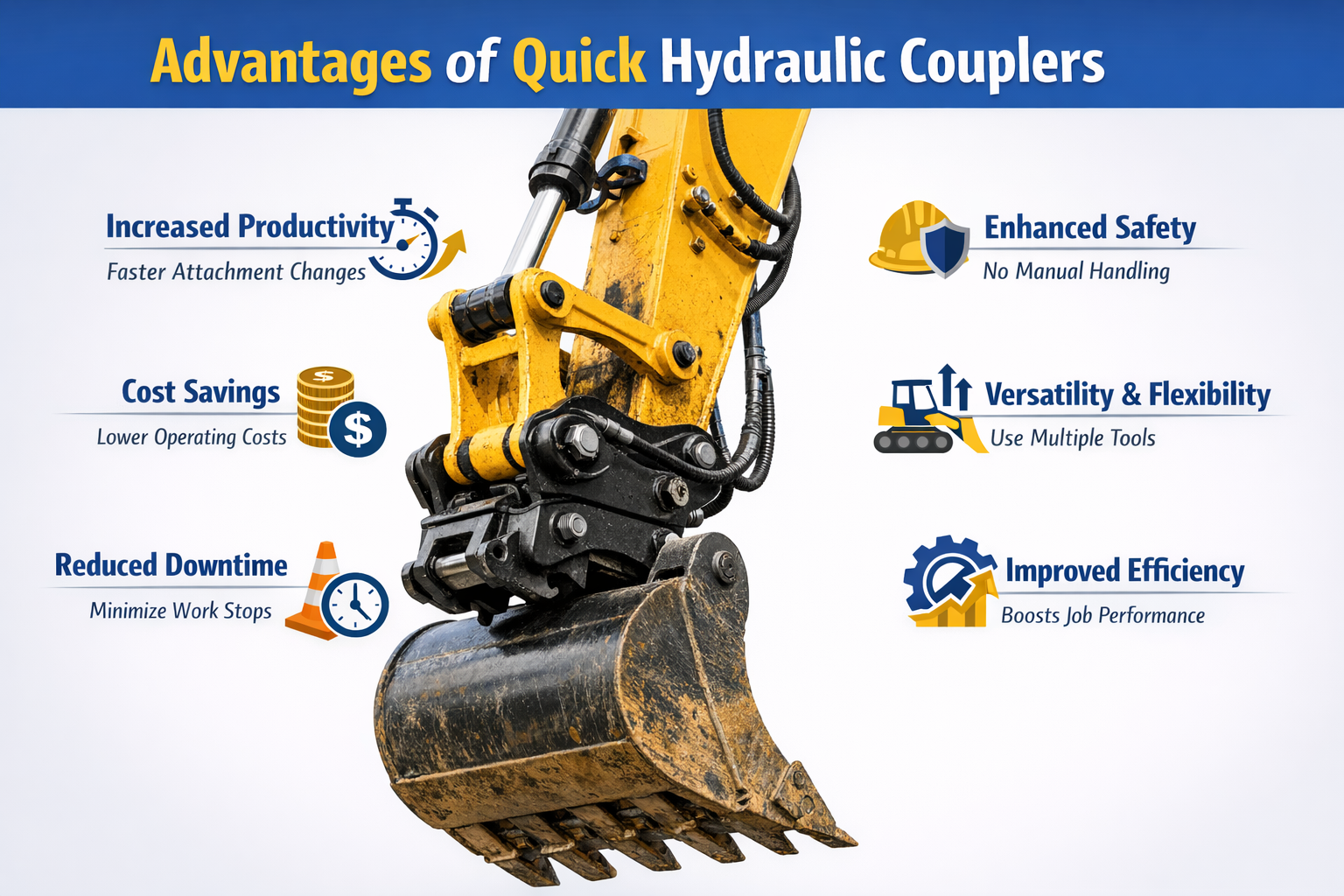
Future trenching equipment is expected to be more modular and versatile. Modern machines are designed with interchangeable attachments that allow operators to switch between trenching configurations quickly.
For example, a chain trencher can be adapted for various applications such as pipeline installation, fiber-optic cable laying, and drainage construction. Modular systems reduce the need for multiple machines and help contractors optimize equipment utilization across different projects.
7. Compact Designs for Urban Projects
Urban infrastructure development often requires trenching in confined spaces where large equipment cannot operate effectively. As a result, manufacturers are developing compact and lightweight trenchers with improved maneuverability.
These machines maintain high power and productivity while minimizing disruption to surrounding areas. Compact trenching equipment is particularly useful for residential utility installations, landscaping, and urban cable networks.
Technological advancements are rapidly transforming trenching equipment and improving the efficiency of excavation projects. Innovations such as GPS guidance, automation, IoT monitoring, improved cutting systems, and environmentally friendly designs are shaping the future of the chain trencher.
As infrastructure development continues to grow worldwide, these advanced technologies will help contractors achieve greater accuracy, safety, and productivity. The next generation of trenching equipment will not only improve construction efficiency but also support sustainable and smart infrastructure development across the globe.

Silicon Innovation & Technology Group is a business incubator and a member of the National Business Incubation Association.
It provides a series of service support by providing physical space and infrastructure for newly-established technology-based SMEs in the new energy field, thereby reducing the entrepreneurial risk and entrepreneurship cost of entrepreneurs, improving the success rate of entrepreneurship, promoting the transformation of scientific and technological achievements, and fostering success.
Accelerators are the most successful incubation spaces in the United States, with a very small number of only 8% of the nation's total.
《New energy network ecology》The New Energy Network FoundationA global new energy sharing autonomous organization.
NENF is building shared numbersInfrastructure, an open source, scalable blockchain platform; designed for new energyDesigned for industry regulation, operations and market needs.
NENF by: Alexandra Innovation & technology Group Alison Innovation & technology GroupSilicon Innovation & technology GroupCo-founded, affiliated to the Silicon Incubator Incubation Agency.