


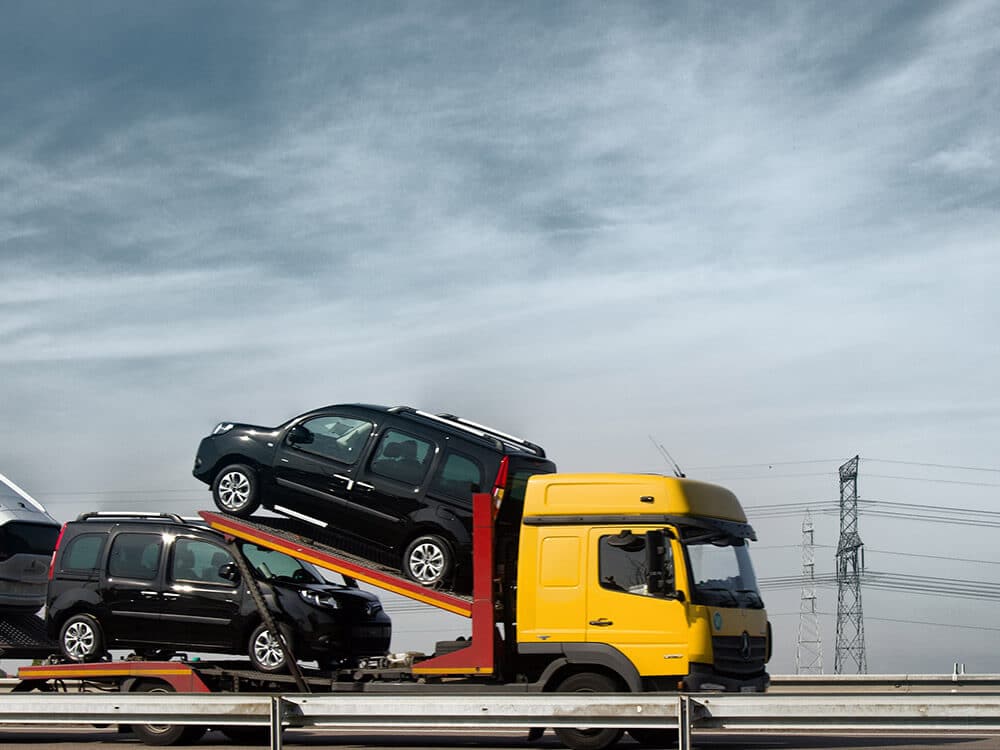
When someone first starts working in vehicle logistics, car transport Sydney often sounds simple. When you pick up a vehicle, load it on a truck and then deliver it to a destination, the simple procedure appears to be straightforward; however once you are in the field for long enough, you will quickly come to understand that there is so much more going on behind the scenes.
Having spent a number of years working in the transport operation industry, especially projects related to Car Transport sydney (who I used to work for) the most important lesson I learnt when I started out was that you should never underestimate how much the smaller things play an important role in the overall operations of car transport. Moving cars is only one small part of the overall process, and therefore it must be considered together with the planning, communication and preventative steps to take prior to loading the vehicle onto the truck.
Let me share with you the process of car transport, the way I would explain it to my new team members during their first week of work.
1. Overall Understanding of Car Transport Process
To put it simply, the actual process of car transport involves getting the vehicle from one place to another using specially designed vehicles (known as carriers), rather than driving there and bringing the car there yourself. In Sydney, the main reasons for this are as follows:
Dealerships transferring cars between locations
Online car buyers arranging delivery
Auction vehicles being transported to buyers
Businesses moving fleet vehicles
A beginner might think a truck simply collects a car and heads straight to the destination. In reality, each carrier usually transports multiple vehicles at once, which means planning the loading order, route, and delivery timing carefully.
2. The Importance of Vehicle Inspection
One of the first responsibilities you’ll learn is conducting a pre-transport inspection.
This step protects everyone involved — the company, the driver, and the customer.
A proper inspection normally includes:
- Checking existing scratches or dents
- Inspecting windows, mirrors, and lights
- Confirming tyre condition
- Checking if the battery is functioning
- Taking clear photos from multiple angles
I remember a situation early in my career when a small paint chip wasn’t recorded during pickup. When the vehicle was delivered, the owner assumed the damage happened during transport.
Since then, I always tell new staff: never rush the inspection stage. It might seem like a small step, but it can save hours of conflict later.
3. Loading Vehicles the Right Way
Loading a car onto a carrier is more technical than people expect. A driver must think about several factors:
Weight balance across the truck
Vehicle height for bridge clearance
Delivery order along the route
Low clearance cars that need gentle loading angles
I once saw a new driver place a tall SUV on the upper level without checking height restrictions. Later, we realised a low bridge was on the route.
We had to reorganise the entire load at a rest stop, which delayed multiple deliveries. That moment made it clear that loading decisions affect the entire journey.
4. Route Planning Is More Complicated Than It Looks
Sydney traffic alone can turn a simple trip into a logistical puzzle.
Transport coordinators usually consider:
Heavy vehicle road restrictions
Traffic congestion during peak hours
Safe areas for driver breaks
Access to pickup and delivery locations
Working with teams connected to Car Transport Australia, I learned that proper planning can easily save hours of driving time.
Beginners sometimes rely entirely on GPS, but experienced drivers also rely on local road knowledge.
5. Communication With Customers
Another part of the job that often surprises new staff is how much communication is involved.
Customers typically want updates such as:
Pickup confirmation
Estimated delivery window
Notifications about delays
Confirmation after delivery
As I am reminded of an important quote by a senior dispatcher I used to work with that applies to this,
"People will tend to be more patient if they are kept informed about their status."
Being open and transparent builds trust and decreases complaints.
6. Common Mistakes Beginners Make
Almost everyone makes a few mistakes when starting out. The most common ones include:
Rushing inspections
Forgetting to photograph the vehicle properly
Misjudging loading order
Underestimating Sydney traffic delays
Not checking delivery access for large trucks
These mistakes are easy to avoid once you start paying attention to the small details.
7. Practical Lessons From Real Transport Jobs
After spending time in the industry, you pick up practical habits that make the job easier:
Always confirm addresses before departure
Keep buffer time for unexpected traffic or weather
Double-check that the vehicle has enough fuel for loading
Make sure the battery is strong enough to start after transport
An incident I have witnessed that was equally memorable was the car that wouldn’t start right after I unloaded it from the truck, due to the battery being weak prior to pickup.
This was a small problem, but it delayed the delivery, and also educated the team to check the battery condition during inspections.
8. Last Tips for New Transporters
If you are beginning to operate a vehicle transport service in Sydney, the one thing you need to remember to ensure success is “Be Prepared.”
Focus on these fundamentals:
Perform detailed vehicle inspections
Load cars carefully and strategically
Plan routes realistically
Communicate clearly with customers
Pay attention to small operational details
The process of car transport appears straightforward to outsiders. The experienced teams understand that their work requires precise execution of their tasks, which must be done through effective communication skills. The professional transport companies operate their business because they understand how these elements interact to create successful vehicle delivery from their services.