

Many students today can read fluently, yet struggle to explain what they just read. This challenge highlights an important distinction: reading words is not the same as understanding them. True learning happens when a reader can interpret ideas, connect information, and reflect on meaning. That ability is known as Reading Comprehension.
Reading comprehension is more than recognising words on a page. It involves understanding the message, identifying key ideas, linking them to prior knowledge, and applying that understanding in different contexts. When this skill is weak, students may complete reading tasks but still find it difficult to remember details, answer questions, or participate confidently in discussions.
Why Reading Comprehension Matters
Strong comprehension supports learning across every subject. From science explanations to history narratives, students must process information, draw conclusions, and evaluate ideas. Without effective Reading Comprehension Strategies, reading becomes a mechanical activity rather than a meaningful learning experience.
Researchers and educators often describe comprehension as a set of abilities working together. These Key Skills Involved in Reading Comprehension include understanding vocabulary, identifying main ideas, making connections between concepts, and interpreting the intent behind a text. When students develop these abilities, reading becomes more engaging and productive.
However, many learning environments focus heavily on decoding and speed, while comprehension receives less structured attention. As a result, students may read quickly but struggle to retain information or explain what they learned.
Moving From Passive Reading to Active Thinking
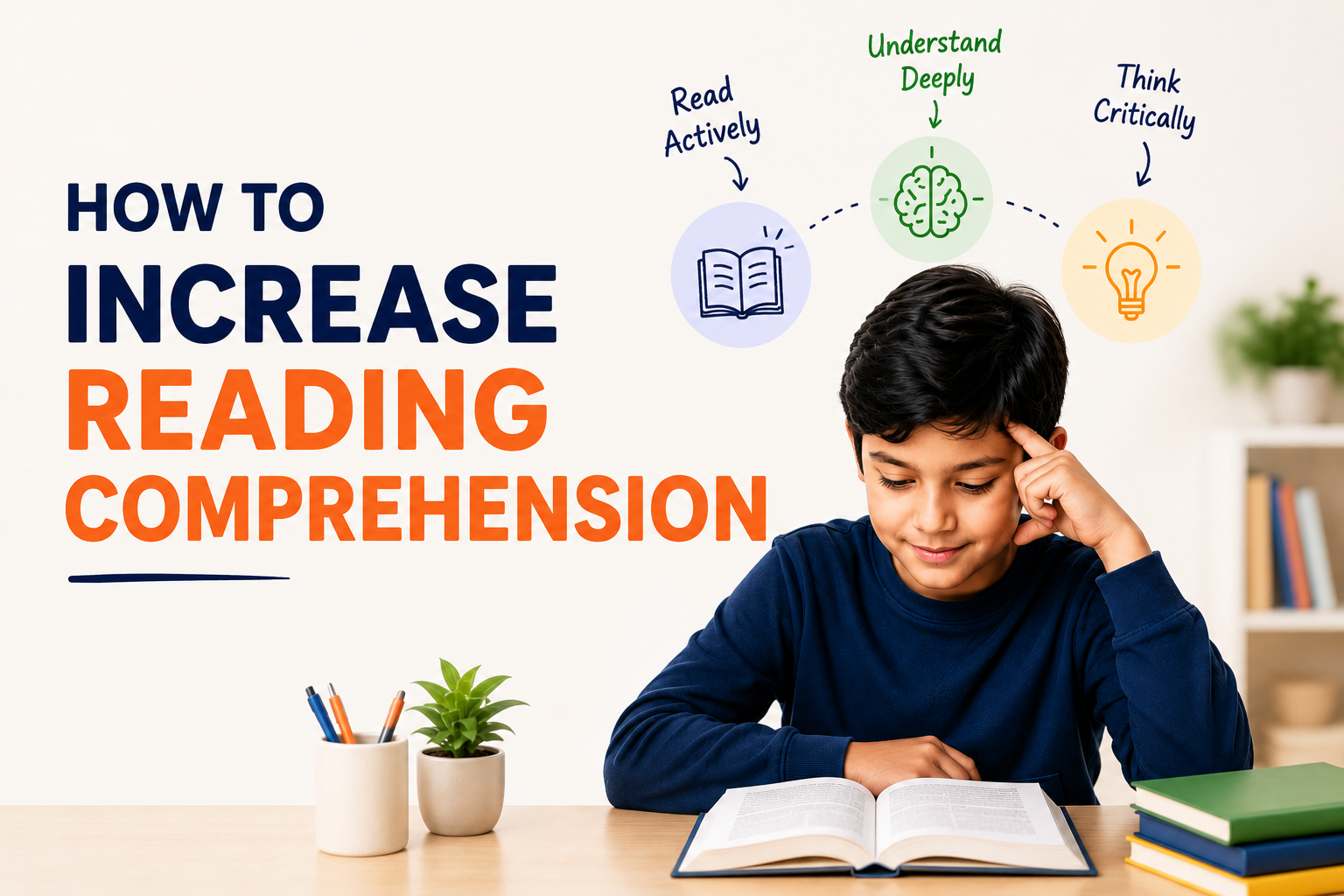
One of the most effective ways to strengthen comprehension is to encourage active interaction with text. Strong readers question ideas, visualise scenes, and pause to reflect on meaning. These habits transform reading into a thinking process rather than a simple task.
Educators often emphasise practical Reading Comprehension Strategies that train students to engage deeply with what they read. Techniques such as questioning, summarising, and visualising help the brain organise information and remember it more effectively.
For parents and teachers looking to support this development, structured approaches can make a significant difference. A well-designed Reading Program for Kids introduces students to books that match their ability level while guiding them through techniques that build understanding over time.
Where to Learn the Complete Approach
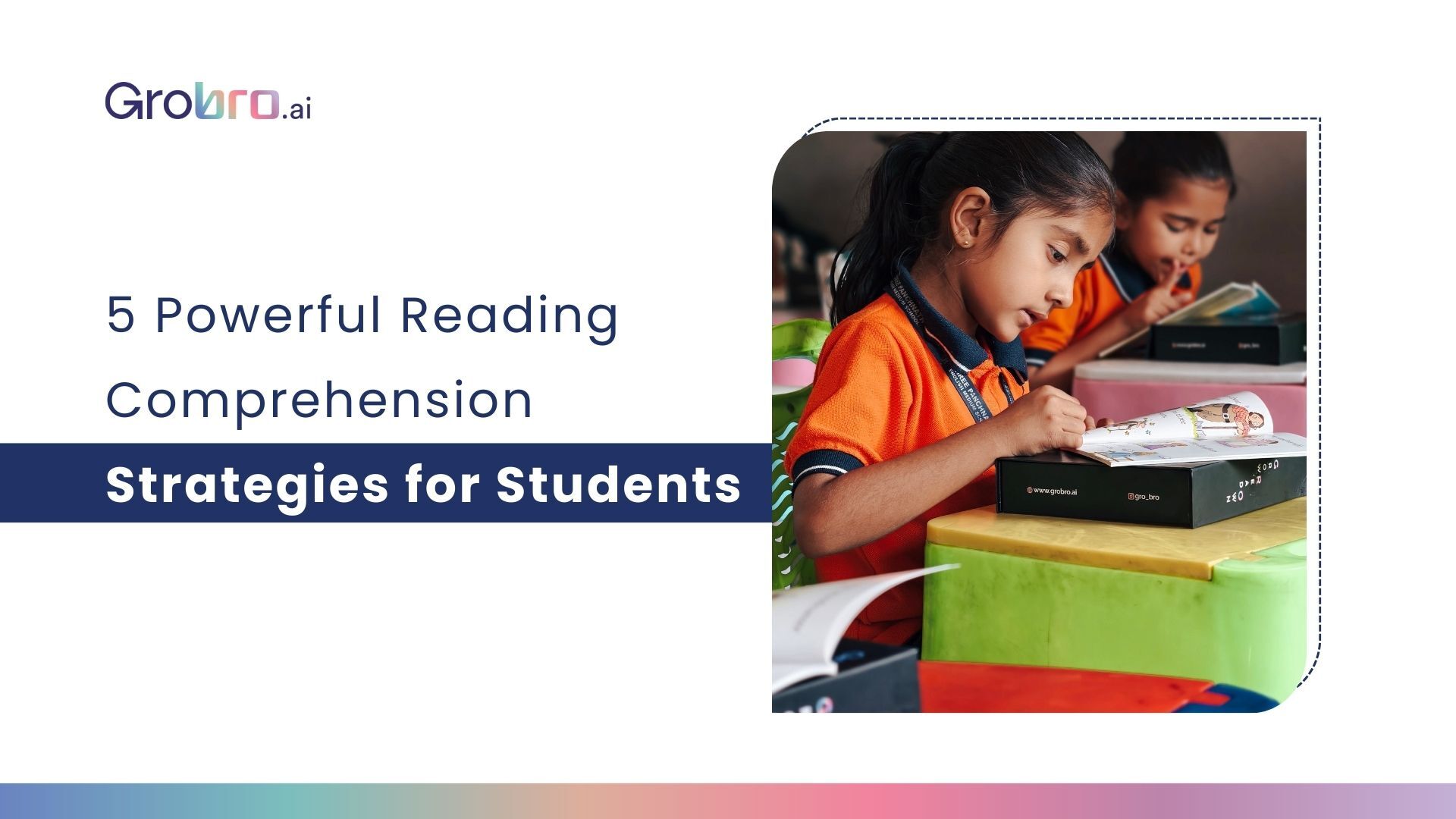
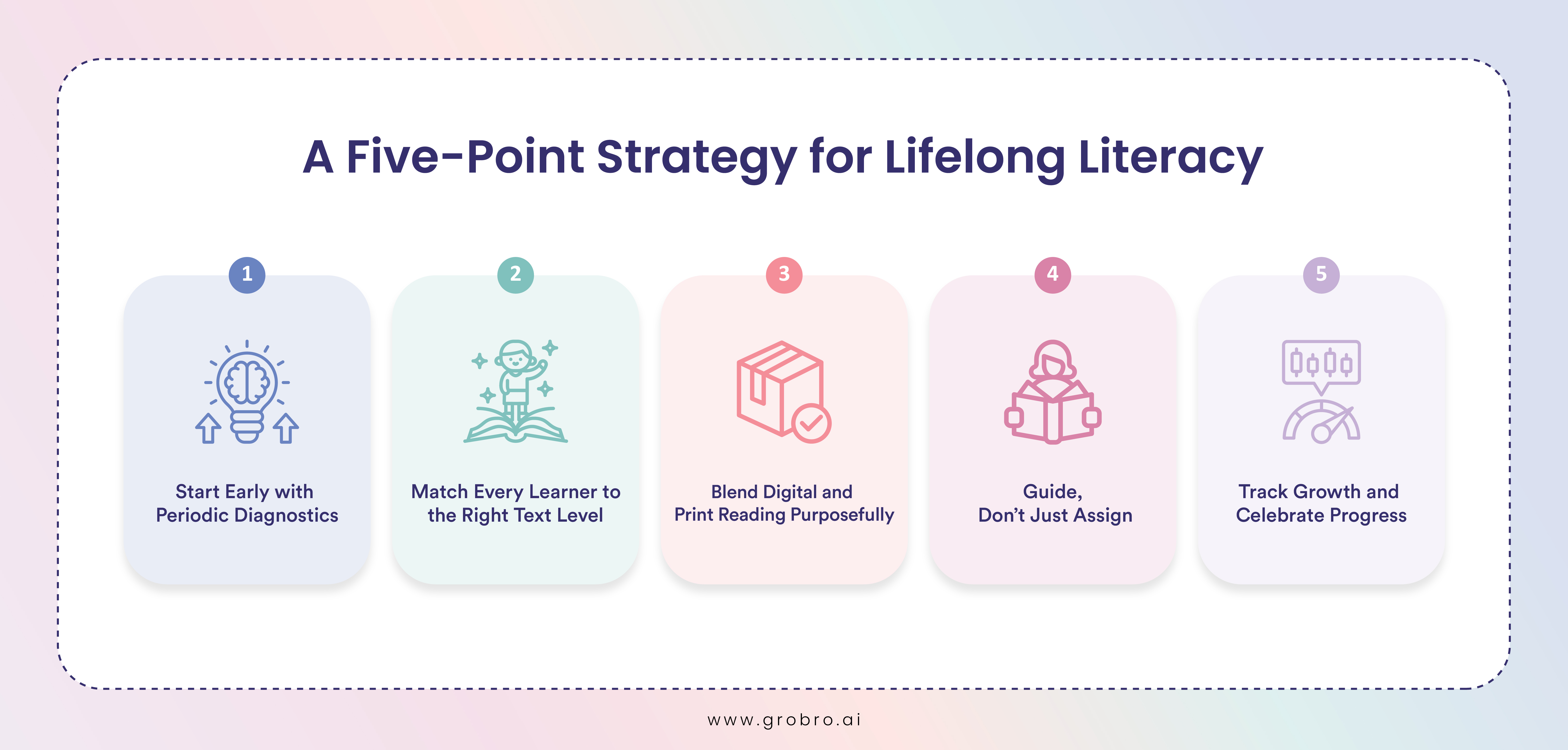
While the ideas above introduce the importance of comprehension, they represent only a small part of the bigger picture. To explore the full framework, including 5 Powerful Reading Comprehension Strategies that educators and learning experts recommend, it is helpful to look at a more detailed guide.
The complete article explains how these strategies work, why they improve understanding, and how students can apply them consistently while reading. If you want to build stronger comprehension habits and help young readers move from simply reading words to truly understanding them, exploring the full guide can provide practical direction.
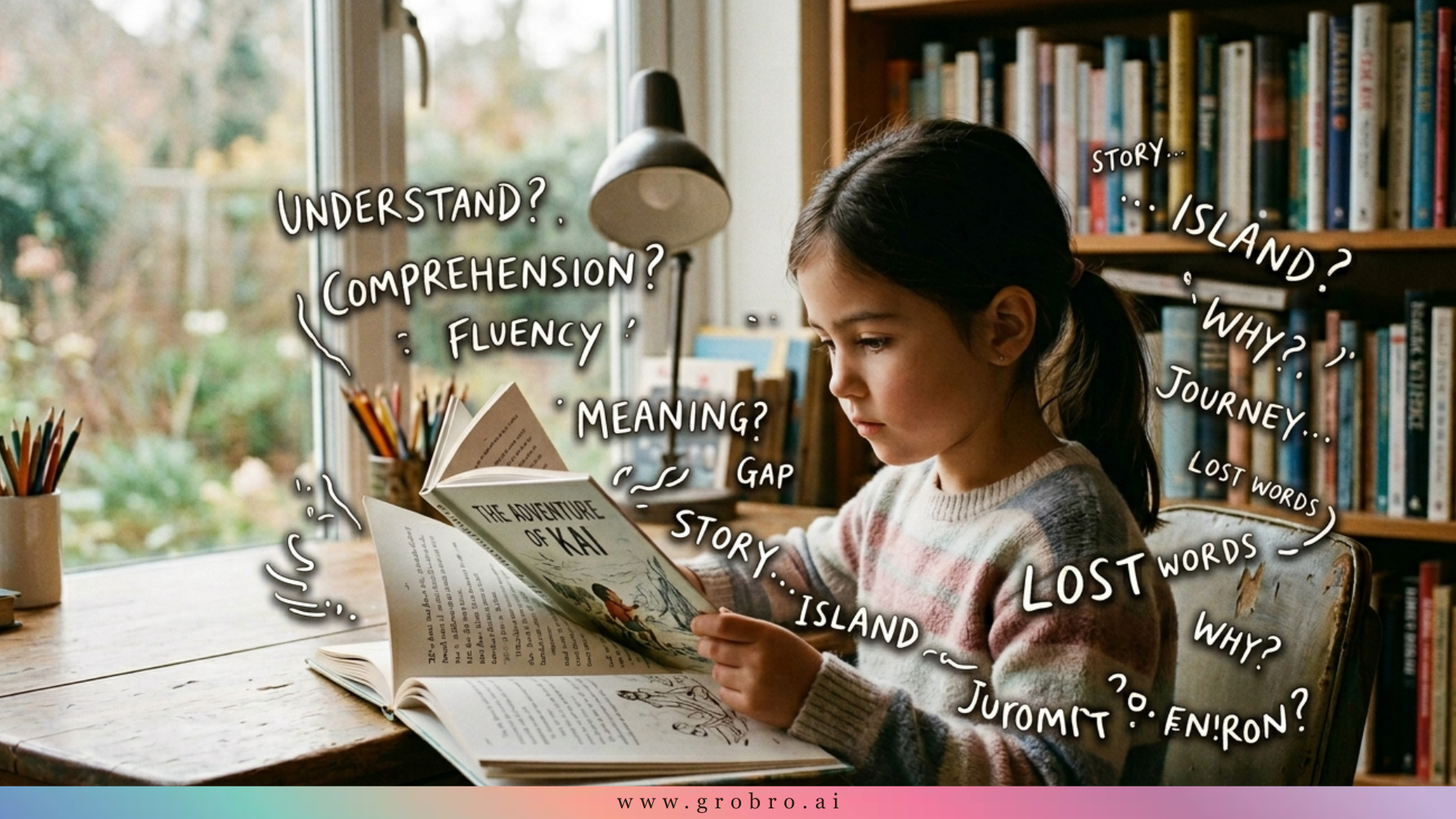
Many students can read every word on a page…
but still struggle to explain what they just read.
That is the hidden challenge behind poor academic performance in many classrooms