

In classrooms and homes across India, traditional reading assessments have long given educators and parents a number: a test result, usually tied to age or grade level. But what if that number could mean more? What if it could become a roadmap for dynamic learning growth, not just a static snapshot?
The GroQuotient (GQ) Framework is designed precisely for this. It is an AI-enabled reading measurement system that turns raw scores into practical, actionable guidance for students, teachers, and parents. Unlike conventional tests that merely compare students to norms, GQ helps learners understand how they read, identify challenges, and discover the right texts to grow their reading and comprehension skills.
Why Conventional Scores Fall Short
Most traditional reading assessments report relative numbers such as percentiles, percentage, grade-level marks, or other norm-based scores. While these indicate where a child stands compared to a reference group, they rarely answer the questions that matter most:
- How well can the learner interpret and engage with the content?
- Where does the learner struggle in making sense of what they read?
- Which parts of reading, such as comprehension, inference, or analysis, require support?
- What kinds of books and activities will foster growth?
Without actionable insight, a score can feel like a static label rather than a tool for improvement.
What Makes GQ Different
The GQ Framework is designed to turn measurement into actionable insight. It does this in three ways:
1) Profiling the Learner with GQ
The GQ Test evaluates not only correctness but comprehension depth, vocabulary, reasoning, and processing efficiency. Rather than a simple percentage, the GQ reflects a learner’s actual ability to interact with text, making it a true measure of reading proficiency.
2) Mapping Text Complexity with GQ Levels
Books and passages are categorized by GQ Level, which considers vocabulary complexity, sentence structure, and conceptual depth. This dual measurement of reader and text enables precise matching, so learners engage with materials that are challenging enough to stimulate growth but not so hard that they discourage reading.
3) Turning Scores into Actionable Growth Paths
Once a learner’s GQ is determined, the framework recommends:
- Level-appropriate books
- Guided activities to strengthen weak areas
- Targeted comprehension exercises
This ensures that both educators and parents can make real-time, informed decisions about what the learner should read next, optimizing every reading session.
What Makes GQ Different
By transforming raw scores into actionable insights, the GQ Framework gives reading a purposeful, guided path, rather than leaving learners and teachers to guess the next steps.
How GQ Supports Lifelong Literacy
By measuring reading ability and text complexity together, GQ enables learners to:
- Comprehend complex texts with confidence
- Build reasoning and inference skills alongside reading
- Engage with reading consistently over time
- Experience measurable growth that informs instruction and practice
This approach ensures that children are not just reading; they are learning effectively, developing critical thinking, and building the literacy skills necessary for success in the modern world.
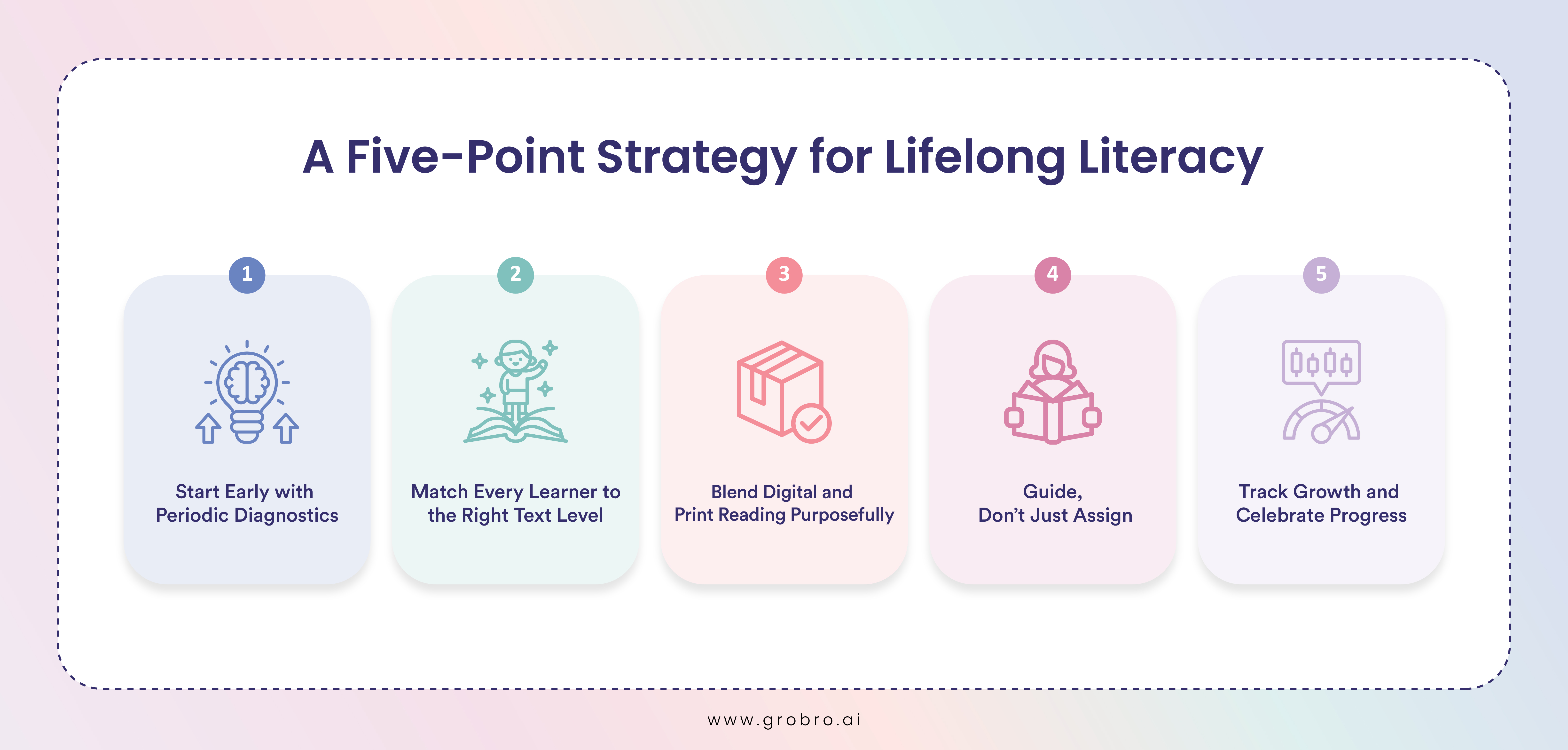
What We Must Do Next: A Five-Point Strategy
A reading score should do more than measure performance.
It should help shape the next step in a learner’s journey.
Read the full article to explore how GQ turns reading assessment into actionable growth: https://bit.ly/42Faivr
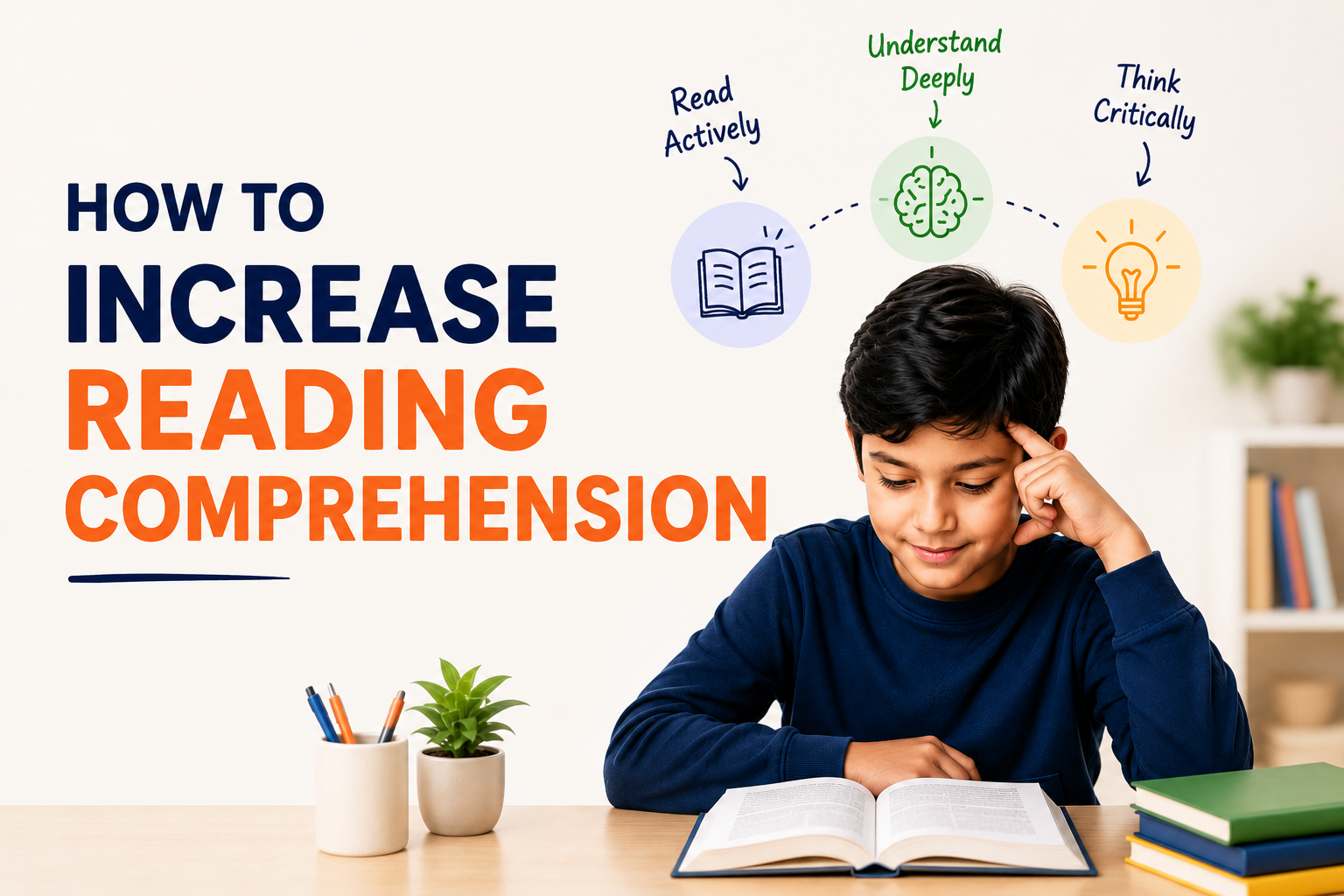


Many students can read every word on a page…
but still struggle to explain what they just read.
That is the hidden challenge behind poor academic performance in many classrooms