

Existing buildings form a major part of our cities. Many of them were built decades ago and continue to be used for residential, commercial, and public purposes. Over time, materials age, building usage changes, and environmental conditions affect structural performance. This is why assessing the structural safety of existing buildings is an important step before renovation, refurbishment, or change of use.
Structural engineers follow a careful process to understand the current condition of a structure and identify any risks that may affect safety. Below are the key steps typically involved in the assessment.
Understanding the Building’s History
The first step in any structural safety evaluation is to understand the building’s background. Structural engineers review available documents such as original drawings, structural calculations, and past inspection reports.
This information helps engineers understand how the building was designed and what materials were used. It also highlights any previous repairs or modifications that may influence the structure today. In some cases, engineers also review maintenance records or previous structural surveys to identify patterns of deterioration.
Understanding the building’s history provides a strong foundation before any on-site inspection begins.
Detailed Visual Inspection
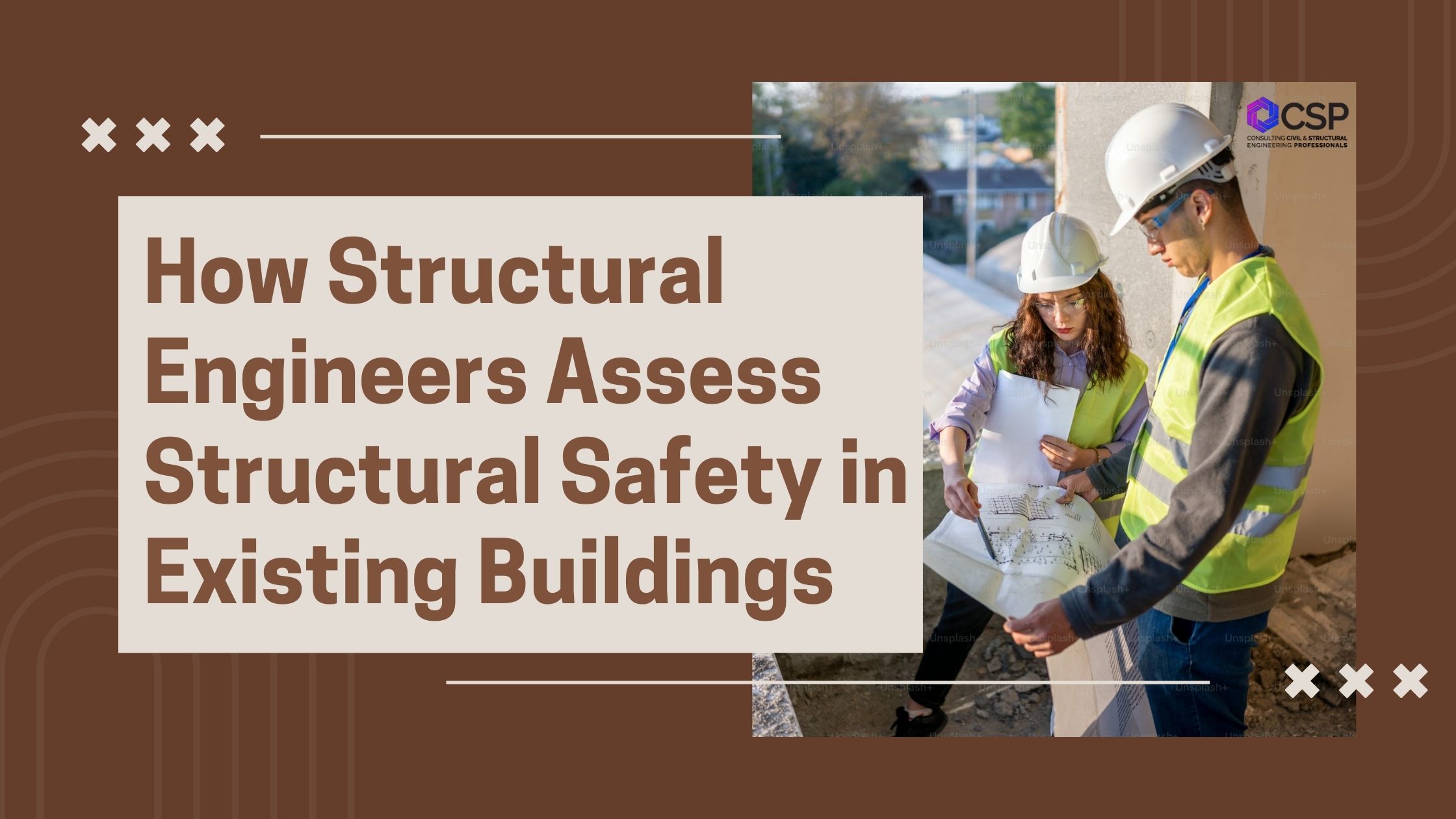
A visual inspection is one of the most important parts of assessing an existing building. Structural engineers visit the site and carefully examine different parts of the structure including beams, columns, slabs, walls, and foundations.
During this inspection, engineers look for signs such as:
- Cracks in structural elements
- Deflection or sagging in beams and floors
- Water damage or corrosion
- Concrete deterioration
- Structural movement or settlement
These visible signs help engineers determine whether the building is performing as expected or if further investigation is required.
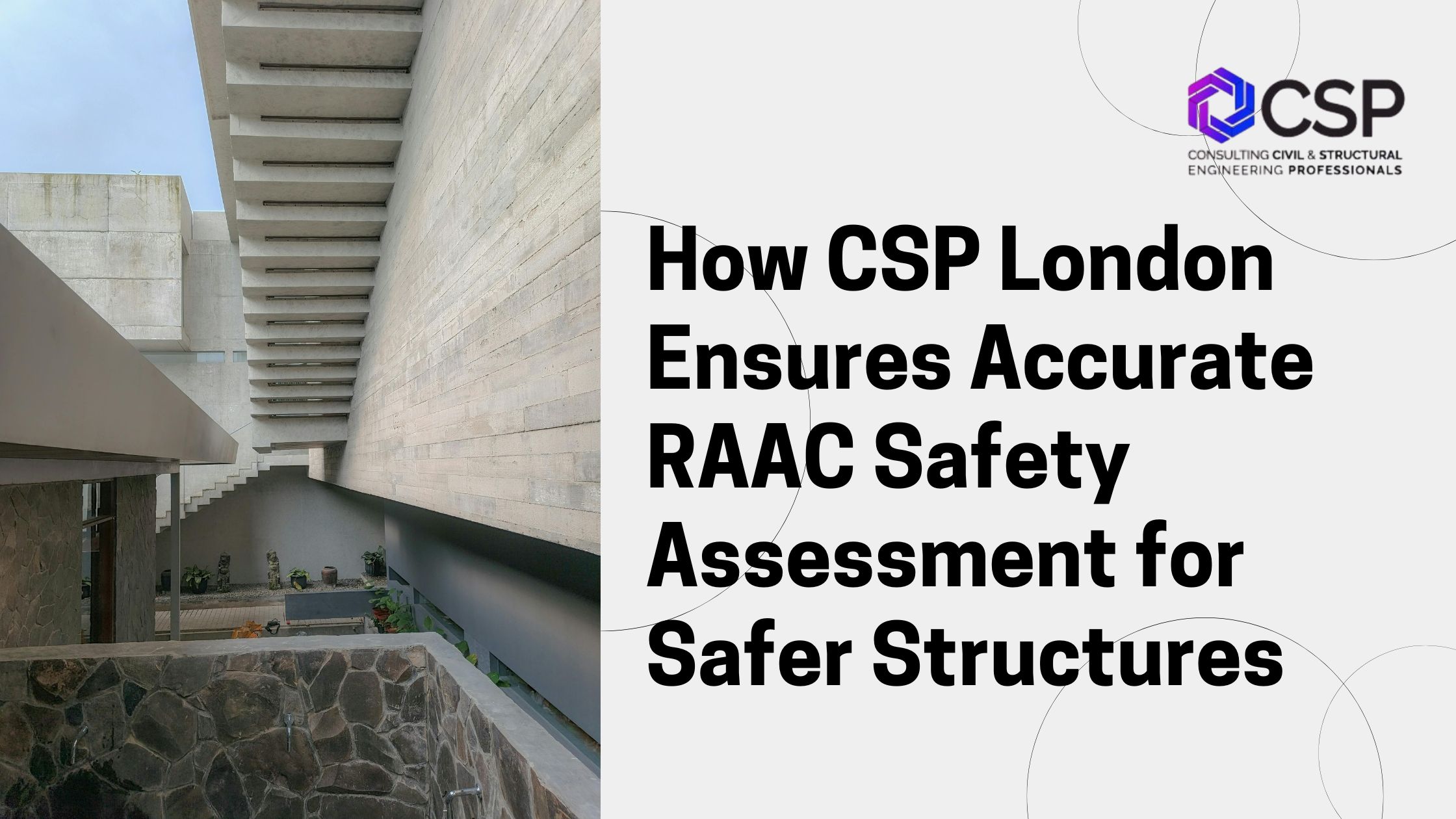
For buildings constructed during the mid-20th century, engineers may also carry out a RAAC safety assessment to check for Reinforced Autoclaved Aerated Concrete panels that may require attention.
Structural Surveys and Testing
When visual inspections indicate potential concerns, engineers may recommend further investigation through structural surveys and testing.
These surveys may include material testing, load assessments, or non-destructive testing methods. Techniques such as concrete strength testing, reinforcement scanning, and structural monitoring help engineers understand the condition of hidden structural elements.
In some cases, RCS services are used to provide additional structural analysis and calculations that support the assessment process. These services help engineers confirm whether existing structural components can continue to perform safely under current loads.
Testing and surveys provide reliable data that supports engineering decisions.
RAAC Safety Assessment in Older Buildings
In recent years, particular attention has been given to buildings containing RAAC panels. Many structures built between the 1950s and 1990s may include this material in roofs or floors.
A RAAC safety assessment helps engineers determine the condition of these panels and whether they remain safe for continued use. The process often includes detailed inspections, structural calculations, and monitoring of potential deterioration.
If necessary, engineers may recommend temporary safety measures or long-term remediation strategies. Regular RAAC safety assessment can help building owners plan maintenance and ensure safety for occupants.
Structural Analysis and Load Evaluation
After inspections and testing are completed, structural engineers perform detailed analysis. This involves reviewing whether the building can safely support current and future loads.
Engineers consider several factors such as:
- Current building usage
- Changes in occupancy loads
- Additional equipment or installations
- Environmental conditions such as wind or snow loads
Specialist RCS services may be used during this stage to carry out structural modelling and calculations. These services support engineers in determining whether strengthening or repairs are required.
Recommendations and Safety Planning
Once the assessment is complete, structural engineers prepare a report outlining their findings. This report explains the current condition of the building and identifies any areas that require attention.
Recommendations may include:
- Structural repairs or strengthening
- Monitoring of specific structural elements
- Maintenance planning
- Further structural surveys if needed
Engineering teams such as CSP London provide these assessments to help property owners make informed decisions about the safety and long-term performance of their buildings. With the support of experienced professionals and services such as RCS services, building owners can better manage structural risks.
Conclusion
Assessing the structural safety of existing buildings is a detailed process that combines inspection, testing, and engineering analysis. From reviewing historical records to conducting RAAC safety assessment and structural calculations, each step helps engineers understand how a building is performing.
By identifying potential issues early and planning appropriate solutions, structural engineers help ensure that buildings remain safe, functional, and reliable for many years to come.


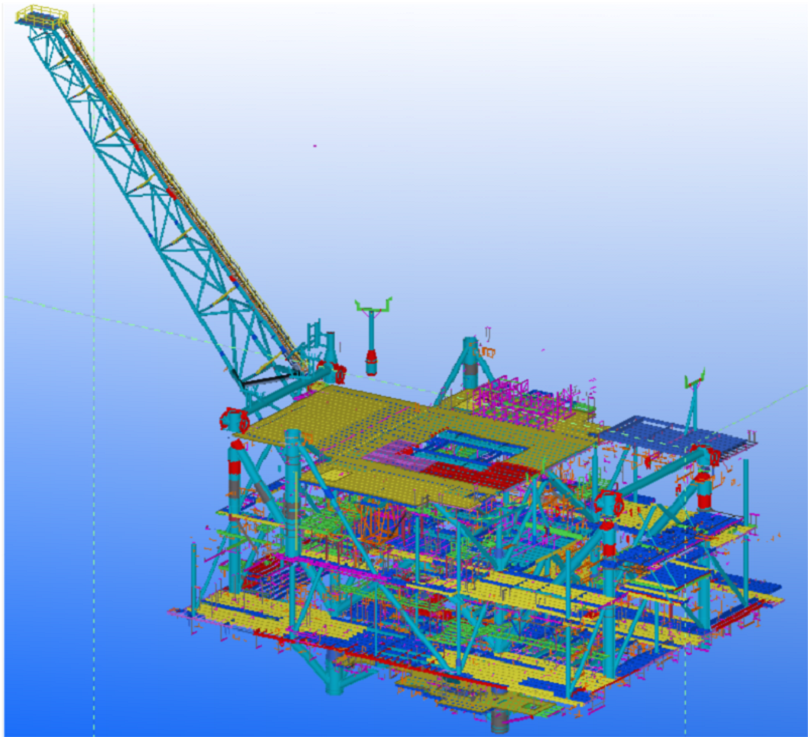
Accuracy in structural steel detailing is very important, even tiny mistake can west the money and time.
Steel detailing consents effective planning and erecting of all steel structure that’s why the industrialist and engineers choose Tekla due to gain maximum advantages in various industrial projects in the areas of Energy, Oil, Gas and Power plants.
TrueCADD – A leading Structural Steel Detailing Services firm has been drafted and rendered large-scale industrial plant model in Structural Steel Detailing for Pipe and Tray Supports of Offshore Oil Platforms using Tekla.Watch HERE: https://www.behance.net/gallery/70726091/Structure-Detailing-for-Offshore-Oil-Platform