

Reinforced Autoclaved Aerated Concrete (RAAC) is now a concern in many older buildings, especially those built between the 1950s and 1990s. It was widely used because it is lightweight, but its strength can be reduced over time. Because of this, a proper RAAC safety assessment is very important. At CSP London, the aim is to provide clear and accurate checks that help building owners make the right decisions and keep people safe.
Understanding the Importance of RAAC Safety Assessment
RAAC can weaken over time without clear warning signs, which increases the risk of sudden structural problems. A professional assessment helps find hidden issues early and allows action to be taken in time.
CSP London carries out every RAAC safety assessment with a clear purpose: to give reliable information that supports long-term safety. Their team combines technical skills with real experience to make sure nothing important is missed.
Step-by-Step Approach to Accurate Assessment
1. Initial Review and Planning
Each project starts with a careful review of building details, such as design records and past inspections. This helps identify where RAAC may be present and what risks might already exist.
After this, a clear plan is created to carry out a full RAAC survey, making sure all important areas are checked properly.
2. Detailed Site Inspection
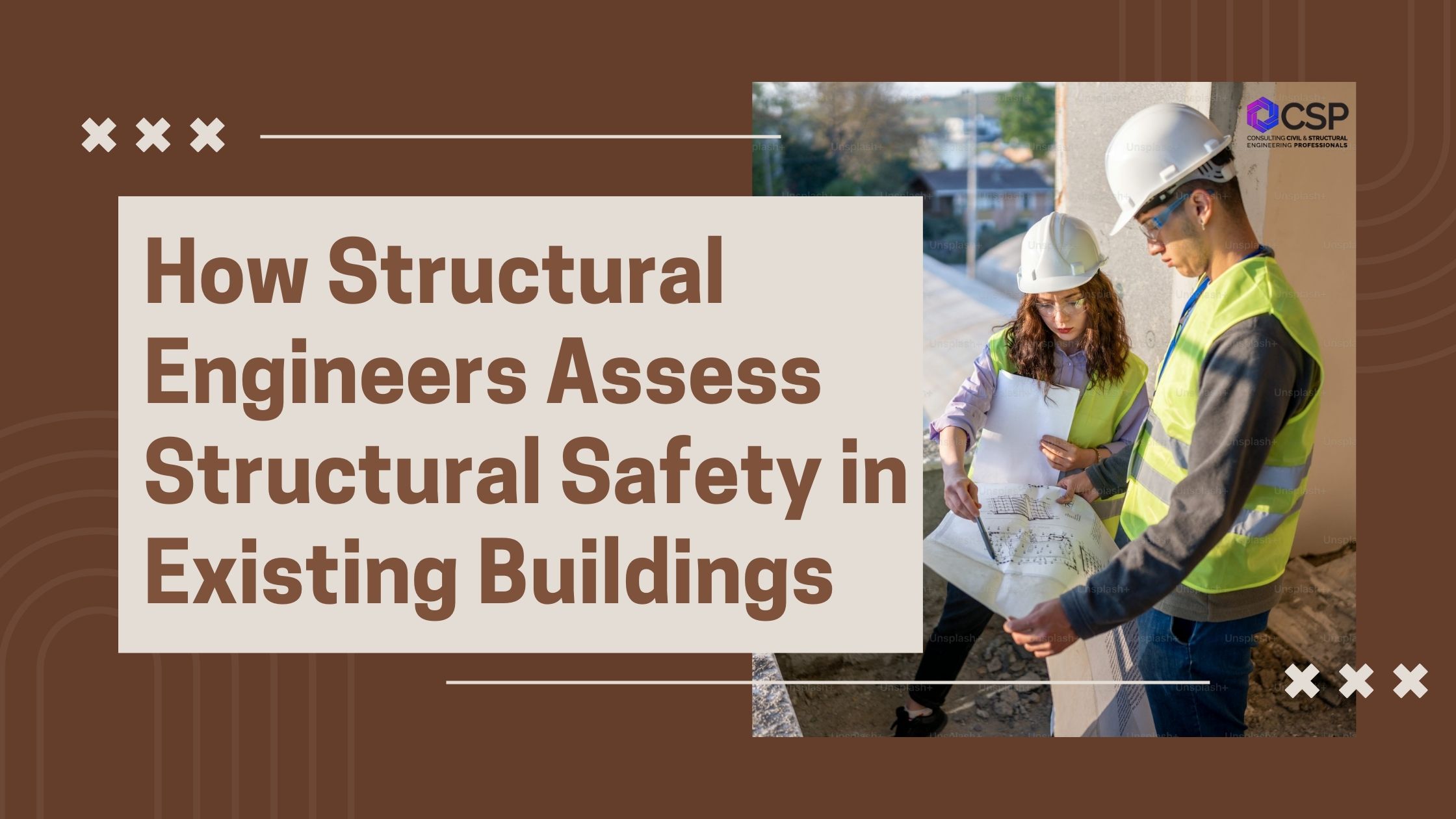
Site inspections are a key part of the process. Engineers closely check structural parts like roofs, floors, and panels where RAAC is often found.
At this stage, CSP London performs detailed RAAC condition surveys to understand the current state of the material. They look for signs such as cracks, bending, or moisture that may show damage.
3. Material Testing and Analysis
Looking at the structure is not always enough. To improve accuracy, samples may be tested to check the strength and condition of RAAC materials.
This step helps CSP London go deeper than basic checks and gives a clearer picture of the building’s condition.
4. Risk Evaluation and Reporting
Once all the information is collected, the team studies the level of risk linked to the RAAC parts. All findings are written in a clear and simple report.
The report includes:
- The condition of RAAC elements
- Possible safety risks
- Advice for monitoring, repair, or replacement
This easy-to-understand report helps clients clearly see the results of the RAAC survey.
Focus on Accuracy and Compliance
CSP London follows industry rules and best practices to make sure every assessment meets required standards. Their engineers keep up with the latest updates related to RAAC, which helps ensure consistency in every project.
Accuracy is not only about finding problems it is also about giving practical and useful solutions. That is why every recommendation is based on the actual condition of the building.
Preventive Approach for Long-Term Safety
One strong point of CSP London is their proactive approach. Instead of waiting for visible damage, they suggest early inspections through regular RAAC condition surveys.
This approach helps to:
- Find problems early
- Lower repair costs over time
- Increase the life of the building
- Improve overall safety
By taking early action, building owners can avoid sudden issues and keep their property safe.
Why Accurate Assessment Matters
An incorrect or incomplete assessment can cause serious problems, such as structural failure or unnecessary repair costs. CSP London follows a careful process to make sure every assessment is complete and reliable.
Their focus on accuracy, along with practical experience, makes their RAAC safety assessment process a trusted option for building owners and managers.
Conclusion
RAAC-related risks need proper attention and expert checks. CSP London ensures accurate RAAC safety assessment through detailed inspections, testing, and clear reporting. By using RAAC condition surveys and a structured RAAC survey process, they help create safer buildings and support better decision-making.
For property owners, getting a professional assessment is not only about meeting rules, it is about protecting people, property, and the future of the building.