

Mosquito activity continues to be a significant concern for both residential and commercial properties due to the health risks and environmental challenges associated with these pests. Mosquitoes are known carriers of diseases and can quickly reproduce in suitable conditions, making them difficult to manage without a structured plan. Because of this, effective mosquito control has become an essential part of property maintenance and environmental management. A proactive approach helps reduce mosquito populations while protecting the safety and comfort of occupants and visitors.
Residential communities, hospitality facilities, commercial complexes, healthcare properties, and public spaces can all experience mosquito-related challenges. Outdoor landscaping, drainage systems, water features, and seasonal rainfall often create conditions that support mosquito breeding. Without proper monitoring and preventive measures, these environments can quickly become favorable habitats for mosquito activity.
Environmental Conditions That Support Mosquito Activity
Mosquitoes rely heavily on environmental conditions to complete their life cycle. One of the most important factors is standing water, which provides a breeding environment where mosquitoes lay their eggs. Even small amounts of stagnant water collected in containers, clogged gutters, drainage areas, or outdoor equipment can support mosquito development.
In addition to water sources, mosquitoes prefer shaded and protected environments where they can rest during the day. Dense vegetation, overgrown landscaping, and areas with limited airflow can serve as ideal resting locations. Identifying and addressing these environmental conditions is an important step in reducing mosquito populations around properties.
Preventive Property Management Strategies
Property managers and homeowners can significantly reduce mosquito activity by implementing preventive environmental practices. Regular inspections of outdoor areas help identify potential breeding sites before mosquito populations grow. Maintenance teams should monitor areas where water may collect, including drainage systems, planters, irrigation zones, and storage spaces.
Landscaping management also plays an important role in mosquito prevention. Trimming overgrown vegetation, maintaining proper drainage, and improving airflow in outdoor areas help limit the shaded spaces that mosquitoes prefer. Clean and well-maintained outdoor environments make properties less attractive to mosquito populations.
Routine maintenance schedules are also beneficial for long-term prevention. By consistently monitoring environmental conditions, property managers can detect potential issues early and implement corrective actions before mosquito infestations develop.
Health and Safety Considerations
Mosquitoes are widely recognized as vectors for several diseases that can affect both humans and animals. In environments where people gather outdoors, such as parks, residential yards, and commercial properties, mosquito activity can increase the likelihood of exposure to mosquito-borne illnesses.
For businesses that operate outdoor spaces, including restaurants, hotels, and recreational facilities, managing mosquito activity is important for both public health and customer satisfaction. Excessive mosquito presence can negatively impact the usability of outdoor spaces and reduce visitor comfort.
In residential settings, mosquito infestations may interfere with outdoor activities and create ongoing discomfort for families and pets. Preventive mosquito management helps maintain healthier and more enjoyable living environments.
Integrated Mosquito Management Approaches
Modern mosquito management programs often rely on integrated strategies that focus on prevention, monitoring, and targeted treatment. These programs aim to address environmental conditions while also controlling active mosquito populations.
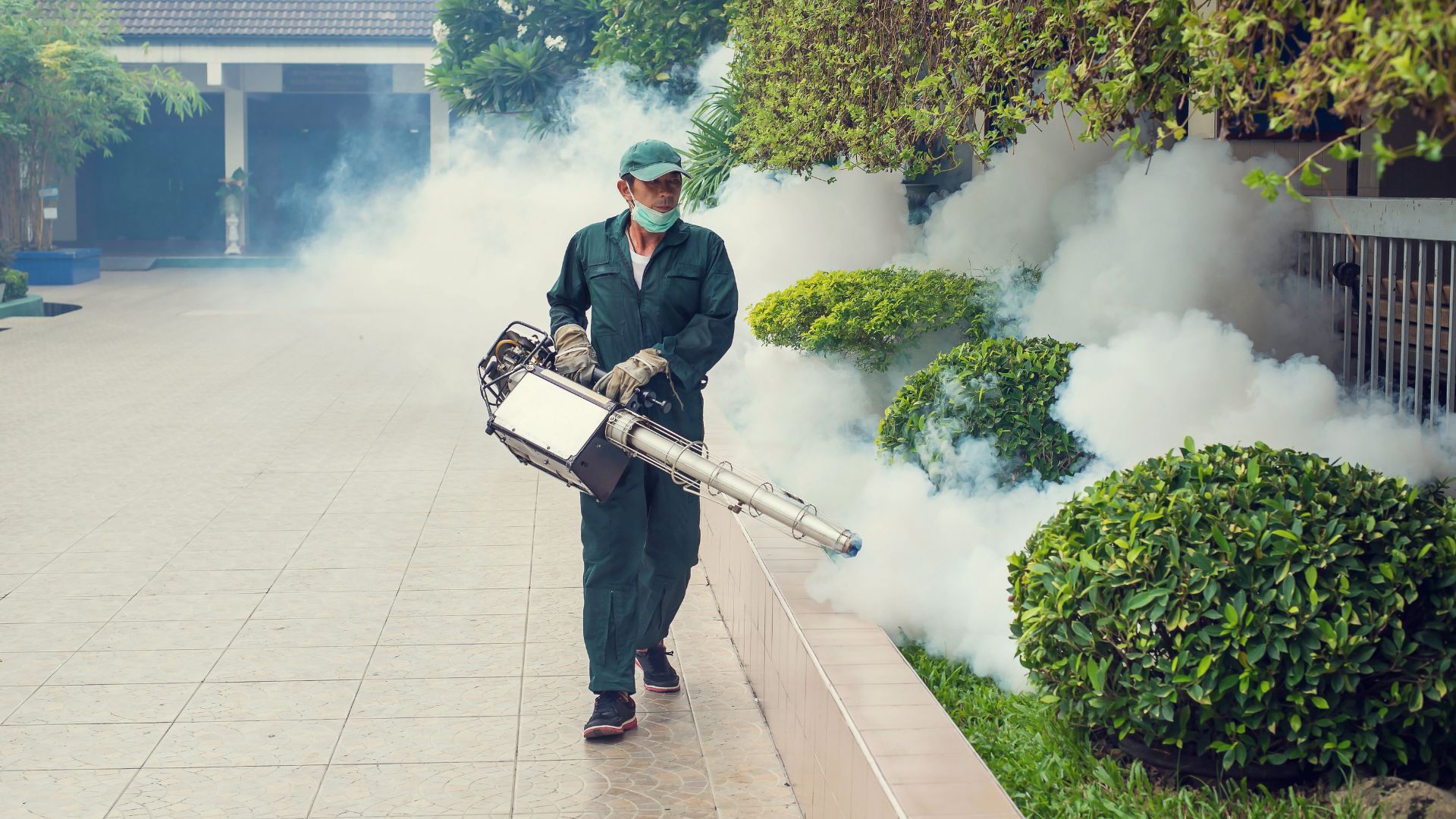
Larval control techniques may be used in areas where standing water cannot be easily removed. These treatments target mosquito larvae before they mature into adults, helping reduce future mosquito populations. In areas where adult mosquitoes are already present, targeted treatments may be applied to vegetation and shaded locations where mosquitoes commonly rest.
Integrated mosquito management focuses on long-term prevention rather than short-term solutions. By addressing the environmental factors that allow mosquitoes to thrive, property owners can maintain more consistent control over mosquito populations throughout the year.
Operational Benefits of Proactive Mosquito Management
Implementing a consistent mosquito management strategy offers several benefits for both residential and commercial properties. Reduced mosquito activity improves the usability of outdoor spaces and enhances comfort for residents, employees, and visitors. Properties that maintain well-managed outdoor environments often experience improved satisfaction among occupants and guests.
Proactive mosquito prevention can also reduce the likelihood of severe infestations that require extensive treatment. Early detection of breeding areas allows property managers to resolve issues before they escalate into larger pest problems.
Additionally, structured mosquito management supports broader property maintenance goals by promoting healthier environments and protecting outdoor areas from pest-related disruptions.
Conclusion
Managing mosquito populations requires a proactive approach that focuses on environmental awareness, preventive maintenance, and professional support when necessary. By addressing standing water sources, maintaining landscaping, and implementing monitoring programs, property owners can significantly reduce mosquito activity and maintain safer outdoor environments.
For residential and commercial properties seeking professional assistance with mosquito management strategies, experienced service providers such as Brownco Pest Control can help support long-term prevention efforts and maintain healthier, more comfortable outdoor spaces.
The health-illness or infection caused by mosquito is occasional and it is recovered in some days, but it is important to protect yourself from mosquito bites.
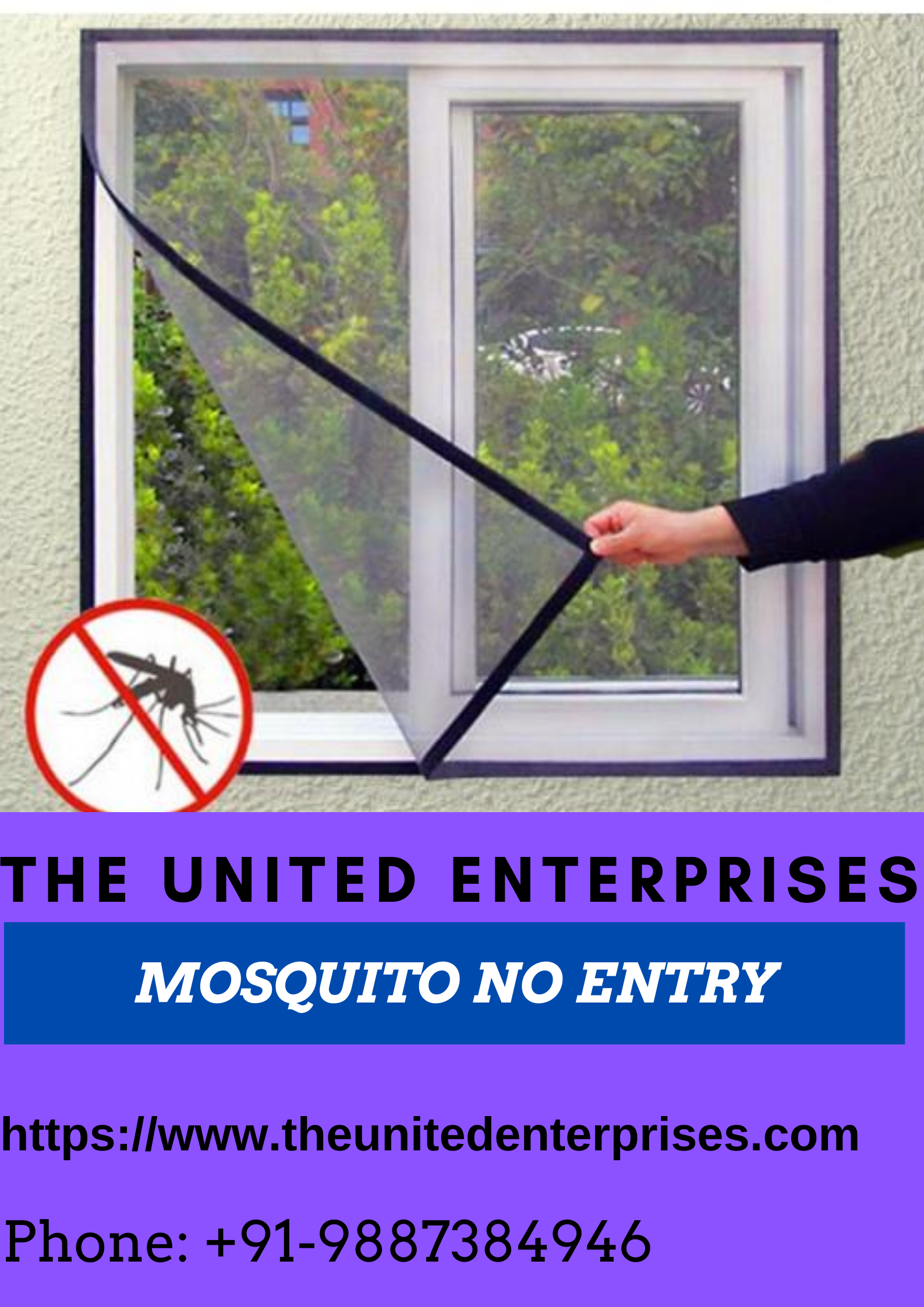
The United Net Enterprises is a renowned mosquito net dealer in Jaipur, which deals with all types of mosquito nets.
We offer doorstep mosquito net services to our clients all over the city.
These mosquito nets are one of the most ideal and reliable approaches for protection against mosquitoes.