


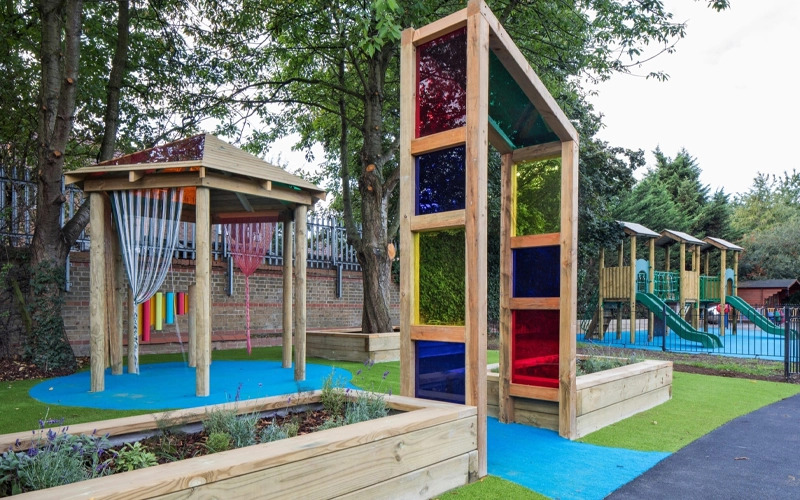
Children between the ages of five and twelve seem to have endless energy. Anyone who has spent time with kids in this age group probably notices it quickly. They run, climb, jump, and rarely stay still for long. At the same time, this stage of childhood is when physical development becomes more noticeable. Strength improves, coordination sharpens, and curiosity about movement grows.
Designing an outdoor play area that keeps children active while also supporting their development can make a real difference. Something as simple as installing children's monkey bars or creating space to run freely can turn an ordinary backyard into a place where kids build confidence, coordination, and independence.
This article outlines how to design a safe yet stimulating outdoor play space that supports fun and healthy development for primary school children.
- Why Kids Aged 5–12 Need More Active Play
By the time children reach primary school, their physical abilities are expanding quickly. They’re stronger than they were only a few years earlier, and they want to test those new abilities. Climbing higher, running faster, balancing on narrow surfaces. Sometimes it feels like they are constantly looking for a small challenge.
This stage is also when coordination and agility improve significantly. Activities like climbing frames, balance beams, and children's monkey bars help children develop upper-body strength and better control over their movements.
Another thing that changes around this age is independence. Kids begin to enjoy solving small challenges themselves. They want to try things without constant help from adults. A well-designed play space quietly encourages this. It gives them room to experiment, maybe fail once or twice, and then try again.
- What Makes an Outdoor Play Space Exciting for Kids
A good play area includes a mix of different activity zones rather than one single structure. Children rarely stick to one type of play anyway.
Open spaces are surprisingly important. A clear patch of grass or soft ground lets kids run, kick a ball, or invent their own games. Sometimes the simplest area becomes the most used.
Climbing equipment adds another layer of activity. Structures that allow children to climb, hang, and balance help build strength and coordination. Ladders, climbing nets, and children's monkey bars are popular because they challenge multiple muscle groups at once.
Creative spaces can also make a big difference. Chalk walls, small cubby houses, or simple obstacle courses encourage imaginative play. One day, the cubby might be a shop, the next day a spaceship. Kids tend to handle the storytelling themselves.
- Picking the Right Play Equipment for Growing Kids
Firstly, the equipment should meet recognised safety standards and be made from materials that can handle outdoor conditions. Weather-resistant metals, treated timber, and sturdy plastics tend to last longer and require less maintenance.
Another useful approach is selecting equipment that children won’t outgrow too quickly. Adjustable structures or multi-use features can keep a play area relevant for several years.
- Safety Basics Every Backyard Playground Needs
Soft landing surfaces are a good starting point. Grass works in many cases, but rubber safety mats or playground mulch offer better impact protection under climbing structures.
Proper spacing between equipment is also important. Kids move quickly during play, and they rarely watch where others are running. Leaving enough room between swings, climbing frames, and children's monkey bars reduces the risk of collisions.
Regular checks help maintain safety. Tightening bolts, inspecting surfaces, and keeping the play area clean can prevent small issues from turning into bigger problems.
- Making the Most of Smaller Backyards
Multi-functional equipment can help maximise limited areas. A single structure that combines climbing, hanging, and balancing elements can offer several play options without taking up much room.
Vertical space can also be used creatively. Wall-mounted climbing panels or compact children's monkey bars allow kids to enjoy active play even when ground space is limited.
Another simple strategy is rotating play features occasionally. Changing obstacle layouts or adding small new challenges keeps children interested without needing a complete redesign.
- Conclusion
Creating an outdoor play space for primary school children involves more than placing equipment in the backyard. Thoughtful design helps build an environment where kids can move freely, challenge themselves, and enjoy active play safely.
Including versatile equipment like children's monkey bars, along with open areas and creative play zones, encourages physical development and imagination. With careful planning and regular maintenance, a backyard can become a space that supports children’s strength, confidence, and curiosity for years.


Welcome to DRS Kids - Award winning international preschool, offering scientifically enriched 3C curriculum, where “why” is encouraged & “what” is nurtured.