Global Aliphatic Hydrocarbon Solvents & Thinners Market Report
Report Description
Forecast Period
2026–2030
Market Size (2024)
USD 3.83 Billion
Market Size (2030)
USD 5.12 Billion
CAGR (2025–2030)
4.96%
Fastest Growing Segment
Varnish Makers & Painter’s Naphtha
Largest Market
Asia Pacific
Market Overview
The Global Aliphatic Hydrocarbon Solvents & Thinners Market is emerging as a significant segment within the broader specialty chemicals industry. Valued at USD 3.83 billion in 2024, the market is projected to reach USD 5.12 billion by 2030, registering a compound annual growth rate (CAGR) of 4.96% during the forecast period. This steady expansion reflects the continued reliance on aliphatic hydrocarbon solvents across diverse industries including paints and coatings, adhesives, automotive, construction, cleaning, and industrial manufacturing.
Aliphatic hydrocarbon solvents and thinners are organic chemical compounds composed exclusively of carbon and hydrogen atoms arranged in straight, branched, or cyclic chains, notably lacking aromatic structures such as benzene rings. These compounds are typically derived from petroleum distillation processes and are widely used as diluents, carriers, and cleaning agents. Their effectiveness in dissolving oils, resins, and other hydrophobic substances makes them indispensable in many industrial formulations.
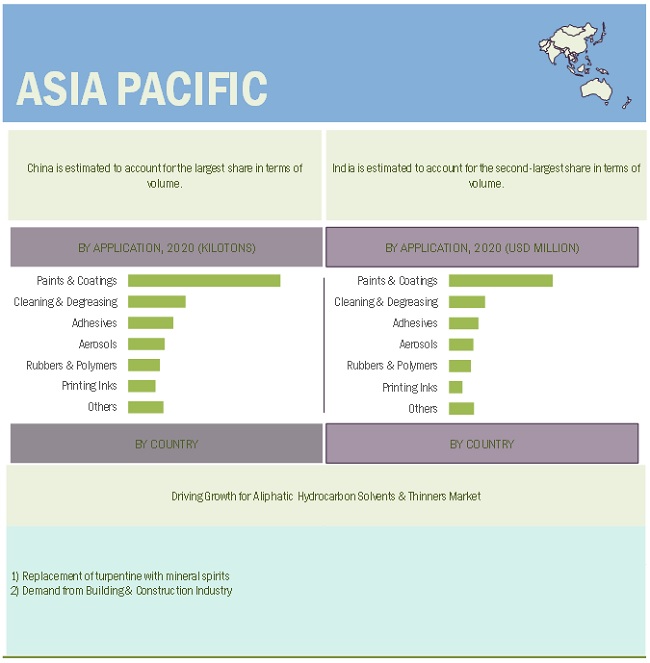
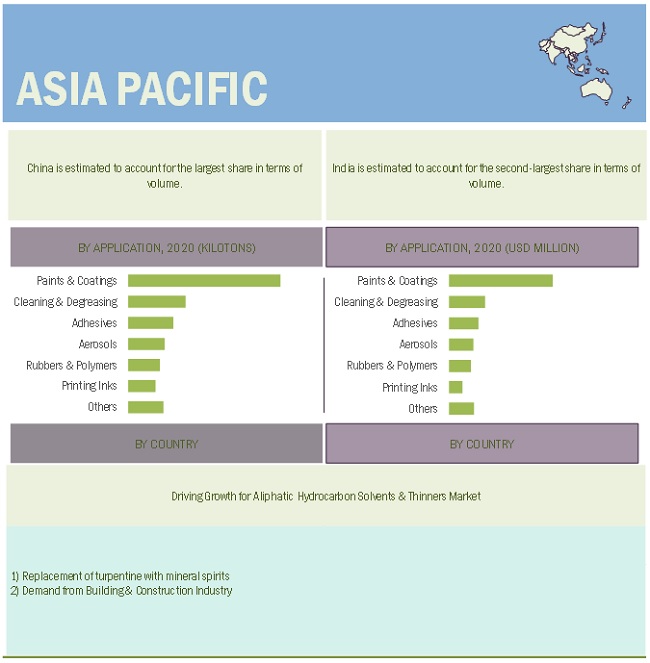
The market’s growth trajectory is strongly influenced by expanding infrastructure development, industrialization, and automotive production, all of which depend heavily on coatings, adhesives, and cleaning solutions where solvents play a critical role. The paints and coatings sector remains the largest consumer of aliphatic hydrocarbon solvents, as these chemicals ensure proper viscosity, application performance, and film formation.
However, the market is also navigating a dynamic regulatory environment. Increasing environmental awareness and government regulations aimed at reducing volatile organic compound (VOC) emissions are compelling manufacturers to redesign formulations and develop low-VOC or environmentally friendly alternatives. While these regulations create challenges for traditional solvent formulations, they also stimulate innovation in sustainable solvent technologies.
Despite regulatory constraints, the aliphatic hydrocarbon solvents market remains resilient due to its broad industrial applicability and essential role in manufacturing processes. Continuous technological improvements in refining processes, product purification, and performance optimization are further enabling manufacturers to maintain competitiveness in this evolving landscape.
𝐃𝐨𝐰𝐧𝐥𝐨𝐚𝐝 𝐅𝐫𝐞𝐞 𝐒𝐚𝐦𝐩𝐥𝐞 𝐑𝐞𝐩𝐨𝐫𝐭:-https://www.techsciresearch.com/sample-report.aspx?cid=3931