Global Carbon Black Market Report (2027–2031)
Report Overview
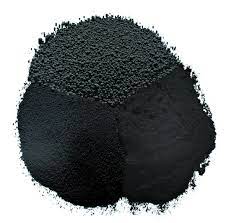
The Global Carbon Black Market is projected to witness steady growth, rising from USD 23.96 billion in 2025 to an estimated USD 30.28 billion by 2031, representing a compound annual growth rate (CAGR) of 3.98%. Carbon black is a fine paracrystalline carbon material produced via the incomplete combustion of heavy petroleum products. Its unique structure, characterized by a high surface area-to-volume ratio, renders it indispensable in a wide range of industrial applications.
Primarily, carbon black serves as a reinforcing filler in tires and other rubber goods, significantly enhancing mechanical durability, tensile strength, and wear resistance. Beyond the automotive sector, carbon black functions as a pigment and conductive agent in plastics, coatings, and inks, making it a versatile material across multiple industrial domains.
The market’s growth is largely fueled by rising automotive production, tire demand, and industrial expansion, particularly in emerging economies within the Asia-Pacific region, which remains the largest market segment due to a thriving manufacturing ecosystem and growing consumer vehicle ownership. Simultaneously, the market faces regulatory pressures, with stringent environmental standards requiring reductions in sulfur and nitrogen oxide emissions, pushing manufacturers to adopt cleaner and sustainable production technologies.
𝐃𝐨𝐰𝐧𝐥𝐨𝐚𝐝 𝐅𝐫𝐞𝐞 𝐒𝐚𝐦𝐩𝐥𝐞 𝐑𝐞𝐩𝐨𝐫𝐭:-https://www.techsciresearch.com/sample-report.aspx?cid=25357
Industry Key Highlights
- Forecast Period: 2027–2031
- Market Size (2025): USD 23.96 billion
- Projected Market Size (2031): USD 30.28 billion
- CAGR (2026–2031): 3.98%
- Fastest-Growing Segment: Furnace Black
- Largest Market: Asia-Pacific
- Key End Users: Tires, industrial rubber products, plastics, inks, coatings
- Primary Drivers: Automotive production, replacement tire demand, industrial applications
- Key Constraints: Environmental regulations, sustainability compliance, high operational costs
Market Overview
Carbon black’s global demand is closely tied to the automotive industry, particularly tire production, which accounts for the majority of its consumption. The replacement tire segment continues to grow steadily, ensuring sustained demand regardless of new vehicle production cycles. Beyond tires, carbon black is increasingly utilized in industrial rubber goods, where it improves mechanical properties, prolongs product life, and enhances performance under extreme conditions.
In plastics, coatings, and inks, carbon black serves as both a pigment and conductive filler, offering color uniformity, UV protection, and electrical conductivity. Its integration into conductive polymers and high-performance coatings is increasingly critical as electronics and renewable energy applications expand globally.
However, environmental regulations present notable challenges. Manufacturers are required to control emissions of sulfur, nitrogen oxides, and particulate matter. These mandates necessitate substantial investment in emission control technologies, which increase production costs and constrain margin expansion. Additionally, the growing push for recovered carbon black (rCB) and circular economy models reshapes the industry by promoting sustainable production pathways.
Key Market Drivers
1. Automotive Production and Tire Demand
Global vehicle production and tire replacement cycles directly influence carbon black consumption. As automotive ownership rises in developing nations, the requirement for durable, fuel-efficient tires grows, increasing demand for reinforcing carbon black. Replacement tires provide consistent, cyclical demand, serving as a stable revenue source for carbon black producers.
The material’s role in improving tread wear, enhancing fuel efficiency, and maintaining tire integrity under extreme conditions underscores its importance in automotive manufacturing. Both passenger and commercial vehicle segments contribute to sustained demand growth.
2. Industrial Rubber and Specialty Applications
Industrial rubber products, including conveyor belts, hoses, and gaskets, rely on carbon black for reinforcement. As global industrialization expands, the requirement for these products grows, particularly in sectors such as construction, mining, and manufacturing. The unique properties of carbon black—resistance to mechanical wear, thermal stability, and chemical durability—make it essential for industrial-grade rubber goods.
3. Sustainability and Recovered Carbon Black (rCB)
Stringent environmental regulations and corporate sustainability initiatives are pushing manufacturers toward recycled carbon black derived from end-of-life tires. Investments in pyrolysis and chemical recycling technologies are helping companies produce high-quality rCB, which meets tire-grade standards while reducing dependency on fossil fuels.
The adoption of rCB represents a key market driver, supporting corporate net-zero targets and enabling participation in the circular economy. Companies increasingly view this as a strategic move to secure long-term competitiveness while aligning with evolving environmental standards.
4. Growth of Non-Rubber Applications
The rise of electric vehicles (EVs) and energy storage systems has created demand for conductive and high-purity carbon black in lithium-ion battery electrodes. Conductive carbon black improves battery performance, charge speed, and lifecycle, encouraging investment from both industry leaders and government-backed initiatives.
Simultaneously, specialized grades of carbon black are used in UV-stabilized coatings, high-performance inks, and conductive plastics, allowing manufacturers to diversify beyond traditional tire markets and capture higher margins.
Key Market Challenges
Despite steady demand, the Global Carbon Black Market faces challenges:
- Regulatory Compliance: Stricter emission standards for sulfur and nitrogen oxides increase operational costs.
- High Capital Expenditure: Investment in emission control and recycling technologies can constrain profitability.
- Fluctuating Raw Material Prices: Heavy petroleum feedstock costs influence production expenses.
- Market Volatility: Tire and automotive cycles can impact short-term demand.
- Environmental Sustainability Pressure: Companies must adapt to eco-friendly production while maintaining performance standards.
These factors combine to create a complex operating environment, where companies must balance growth with environmental compliance and innovation.
Emerging Trends
- Electrification of Transport: EV growth is driving demand for conductive carbon black in battery components, enabling longer range and faster charging.
- Shift Toward rCB: Increasing adoption of recycled carbon black supports circular economy initiatives and reduces reliance on fossil fuels.
- Specialty Carbon Black Expansion: Non-rubber applications in coatings, inks, and plastics are growing, offering higher profit margins.
- Regional Manufacturing Hubs: Asia-Pacific continues to dominate, driven by tire manufacturing, automotive growth, and industrial expansion.
- Integration with Smart Manufacturing: Advanced monitoring and automation in carbon black production improve efficiency and consistency.
Segmental Insights
By Type
- Furnace Black: Fastest-growing segment due to superior yield, quality, and regulatory compliance.
- Thermal Black: Slower growth, primarily used in specialty applications with limited scale.
- Acetylene Black: Used in high-end electronics and batteries, niche but strategically important.
By Application
- Tires: Largest application, reinforcing rubber for mechanical durability and wear resistance.
- Industrial Rubber Goods: Hoses, belts, and gaskets benefit from carbon black reinforcement.
- Plastics, Inks, and Coatings: Increasing use as a pigment and conductive agent.
- Batteries: Rising demand for EVs stimulates growth of conductive grades.
By Region
- Asia-Pacific: Largest market due to automotive and tire production, infrastructure development, and industrial demand.
- North America and Europe: Focused on rCB adoption and specialty carbon black growth.
- Latin America and Middle East & Africa: Emerging markets with potential growth in automotive and industrial applications.
Competitive Analysis
The global carbon black market is moderately consolidated, with a few multinational players dominating production and technological innovation. Key competitive strategies include:
- Capacity Expansion: Players like PCBL and Birla Carbon invest in regional manufacturing and specialty chemical expansion to meet local demand.
- Sustainability Initiatives: Firms such as Orion S.A. and Cabot Corporation invest in rCB and circular production technologies.
- Product Diversification: Expansion into conductive and high-performance non-rubber applications allows decoupling from tire market cycles.
- Joint Ventures and Partnerships: Collaborations enhance R&D capabilities, production efficiency, and market reach in emerging regions.
- Technological Innovation: Continuous development of high-purity, battery-grade carbon black and specialty dispersions differentiates market leaders.
Key Market Players:
- Birla Carbon
- Cabot Corporation
- Orion Engineered Carbons S.A.
- Phillips Carbon Black Limited
- China Synthetic Rubber Corporation
- Omsk Carbon Group
- OCI Company Ltd.
- Himadri Speciality Chemicals Ltd.
- Longxing Chemical Industry Co., Ltd.
- Tokai Carbon Co., Ltd.
Future Outlook
The Global Carbon Black Market is expected to sustain growth through 2031, driven by rising vehicle production, increasing EV adoption, and industrial expansion in Asia-Pacific. Strategic investments in recycled carbon black and specialty high-performance products will further enhance market resilience, even in the face of environmental regulations and cyclical demand shifts.
Innovation in conductive and battery-grade carbon black, along with geographic expansion into emerging markets, positions the market for long-term, sustainable growth. Companies leveraging circular economy practices and technological differentiation are likely to maintain a competitive edge.
𝐃𝐨𝐰𝐧𝐥𝐨𝐚𝐝 𝐅𝐫𝐞𝐞 𝐒𝐚𝐦𝐩𝐥𝐞 𝐑𝐞𝐩𝐨𝐫𝐭:-https://www.techsciresearch.com/sample-report.aspx?cid=25357
10 Benefits of the Research Report
- Provides detailed market size and growth projections from 2027 to 2031.
- Analyzes market segmentation by type, application, and region.
- Highlights emerging trends driving market transformation.
- Evaluates market drivers and restraints for strategic decision-making.
- Offers insights into environmental regulations and sustainability impacts.
- Includes comprehensive competitive landscape and key player profiles.
- Provides segmental growth analysis for Furnace Black, Thermal Black, and Acetylene Black.
- Highlights growth opportunities in non-rubber and EV-related applications.
- Assesses regional market dynamics, focusing on Asia-Pacific dominance.
- Supports investment planning, market entry, and capacity expansion strategies.
Conclusion
The Global Carbon Black Market represents a robust and evolving segment of the chemical and materials industry. With increasing automotive production, rising replacement tire demand, and adoption of sustainable practices, the market is poised for steady growth through 2031.
Manufacturers are strategically investing in specialty carbon black, rCB production, and conductive battery-grade materials to diversify applications and increase profitability. Meanwhile, regulatory pressures and environmental mandates continue to shape operational practices, incentivizing innovation, sustainability, and process efficiency.
The Asia-Pacific region is expected to remain the largest market, with significant opportunities emerging in non-rubber applications and recycled carbon black initiatives. Companies that proactively align with sustainability goals and focus on advanced materials will likely emerge as industry leaders, securing growth in an increasingly competitive and environmentally conscious market landscape.
𝐂𝐨𝐧𝐭𝐚𝐜𝐭 𝐃𝐞𝐭𝐚𝐢𝐥𝐬
TechSci Research LLC420 Lexington Avenue, Suite 300New York, United States – 10170Tel: +1 332 258 6602Email: sales@techsciresearch.comWebsite: www.techsciresearch.com