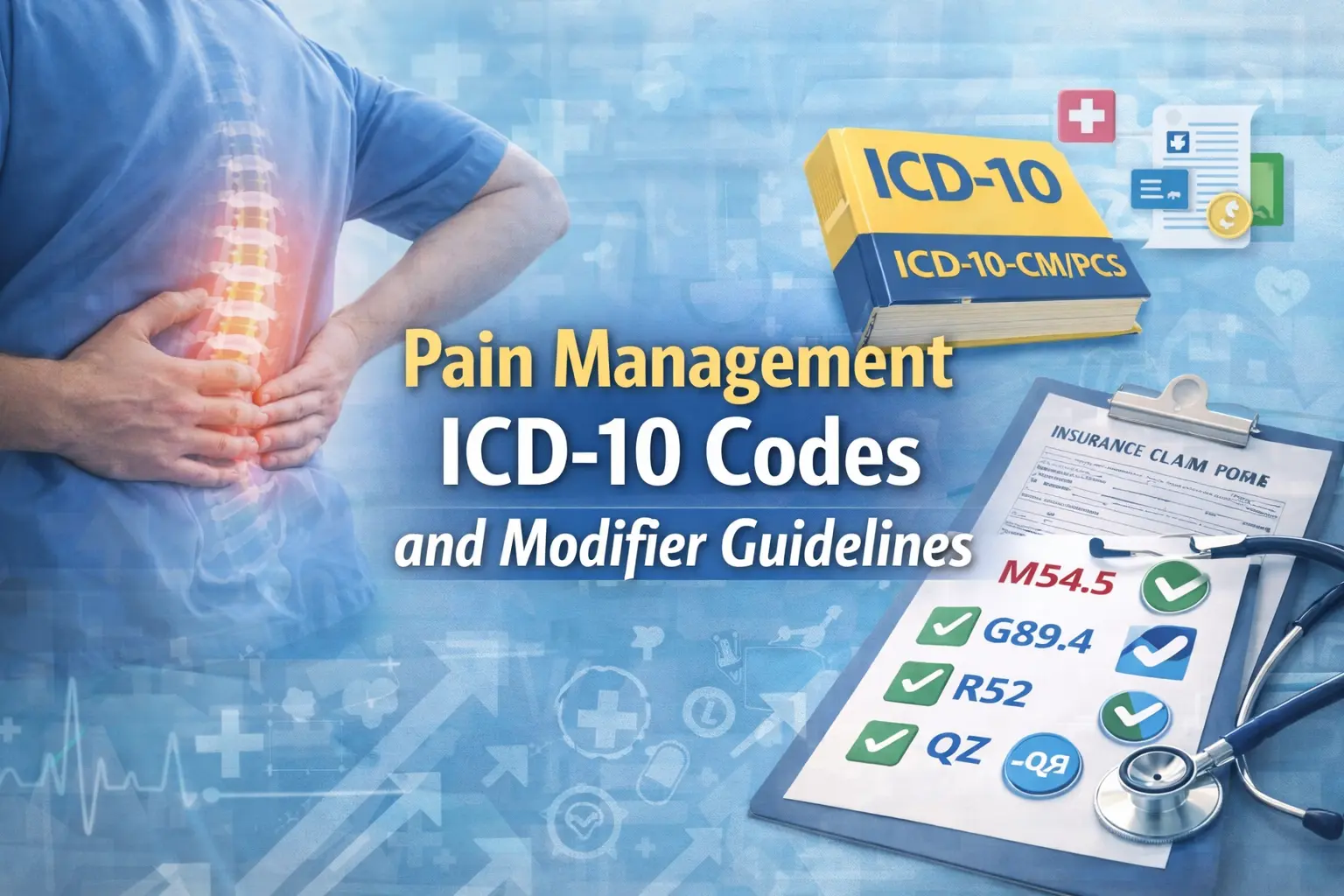
Cardiology is one of the most specialized fields in healthcare, involving complex diagnostic tests, procedures, and patient management strategies. From electrocardiograms to cardiac catheterization procedures, each service requires accurate coding and detailed documentation to ensure proper reimbursement. Because cardiology services often involve advanced procedures and strict payer requirements, many practices depend on Cardiology Medical Billing Services to manage the complexity of claims and maintain billing efficiency.
Optimizing cardiology medical billing and coding is essential for reducing claim denials, improving reimbursement timelines, and maintaining compliance with healthcare regulations. By implementing structured workflows and best practices, cardiology practices can strengthen their revenue cycle and focus more on patient care.
Understanding the Complexity of Cardiology Billing
Cardiology billing is more complex than many other specialties due to the wide range of diagnostic tests and procedures involved. Many cardiology services require precise coding and supporting documentation to justify medical necessity.
Procedures such as echocardiography, stress testing, and cardiac monitoring must be accurately coded using CPT and ICD-10 codes. In addition, billing teams must follow payer guidelines regarding prior authorizations, documentation requirements, and modifier usage.
Without proper billing processes, cardiology practices may experience delayed reimbursements and frequent claim denials.
Maintain Accurate Clinical Documentation
Strong documentation is the foundation of accurate cardiology billing. Physicians should clearly record patient symptoms, diagnostic findings, procedures performed, and treatment plans.
Detailed documentation helps coders select the correct CPT and ICD-10 codes and ensures that claims meet insurance requirements.
Key documentation elements include:
Patient's medical history and presenting symptoms
Diagnostic test results
Procedure details and physician interpretations
Treatment plans and follow-up care
When documentation is complete and consistent, billing teams can process claims more efficiently.
Stay Updated with Cardiology Coding Guidelines
Medical coding standards change frequently, especially for specialized procedures. Cardiology practices must stay informed about updates to CPT codes, ICD-10 diagnosis codes, and payer policies.
Regular training sessions for coding staff help ensure that claims reflect the most current coding standards.
Practices that stay updated on coding changes are better prepared to avoid billing errors and claim denials.
Verify Patient Insurance and Authorizations
Insurance verification is an important step in the cardiology billing process. Certain procedures, such as advanced imaging tests or interventional cardiology treatments, may require prior authorization from insurance providers.
Billing teams should confirm:
Patient insurance eligibility
Coverage for specific procedures
Authorization requirements before scheduling services
Early verification helps prevent billing issues and ensures claims are processed smoothly.
Use Modifiers Correctly
Modifiers provide additional details about procedures performed during patient care. They help insurers understand whether services were separate, bilateral, or repeated.
Incorrect or missing modifiers are a common reason for cardiology claim denials. Billing staff must understand how and when to apply modifiers based on the procedures performed.
Conduct Regular Billing Audits
Routine billing audits are an effective way to maintain coding accuracy. Audits help identify errors in documentation, coding, or claim submission before they lead to denied claims.
Internal audits also help practices recognize patterns in billing mistakes and implement corrective measures.
Regular reviews ensure that billing teams remain compliant with industry standards and payer requirements.
Implement Advanced Billing Technology
Modern billing software and electronic health record systems can streamline the cardiology billing process. These systems can automatically validate codes, identify missing documentation, and track claim status throughout the billing cycle.
Automation helps reduce manual errors and improves the overall efficiency of claim processing.
Improve Communication Between Providers and Coders
Effective communication between clinicians and billing teams plays a key role in billing accuracy. Coders often rely on detailed clinical information to assign accurate codes.
When documentation is unclear, coders should have a direct channel to request clarification from providers. Strong collaboration between teams helps prevent errors and ensures claims accurately reflect the services performed.
The Value of Specialized Billing Expertise
Cardiology billing requires in-depth knowledge of coding guidelines, payer policies, and documentation standards. Many practices benefit from working with experienced billing professionals who specialize in cardiology claims.
For example, organizations like Dr Biller RCM assist healthcare providers by improving billing workflows, managing complex claims, and ensuring compliance with the latest billing regulations.
Final Thoughts
Optimizing cardiology medical billing and coding requires a combination of accurate documentation, updated coding knowledge, efficient workflows, and strong communication between healthcare teams. When these elements work together, cardiology practices can significantly reduce billing errors and improve reimbursement efficiency.
Healthcare providers who want to streamline their billing operations often work with experts such as Dr Biller RCM, helping them manage complex cardiology claims while maintaining a stable and efficient revenue cycle.