

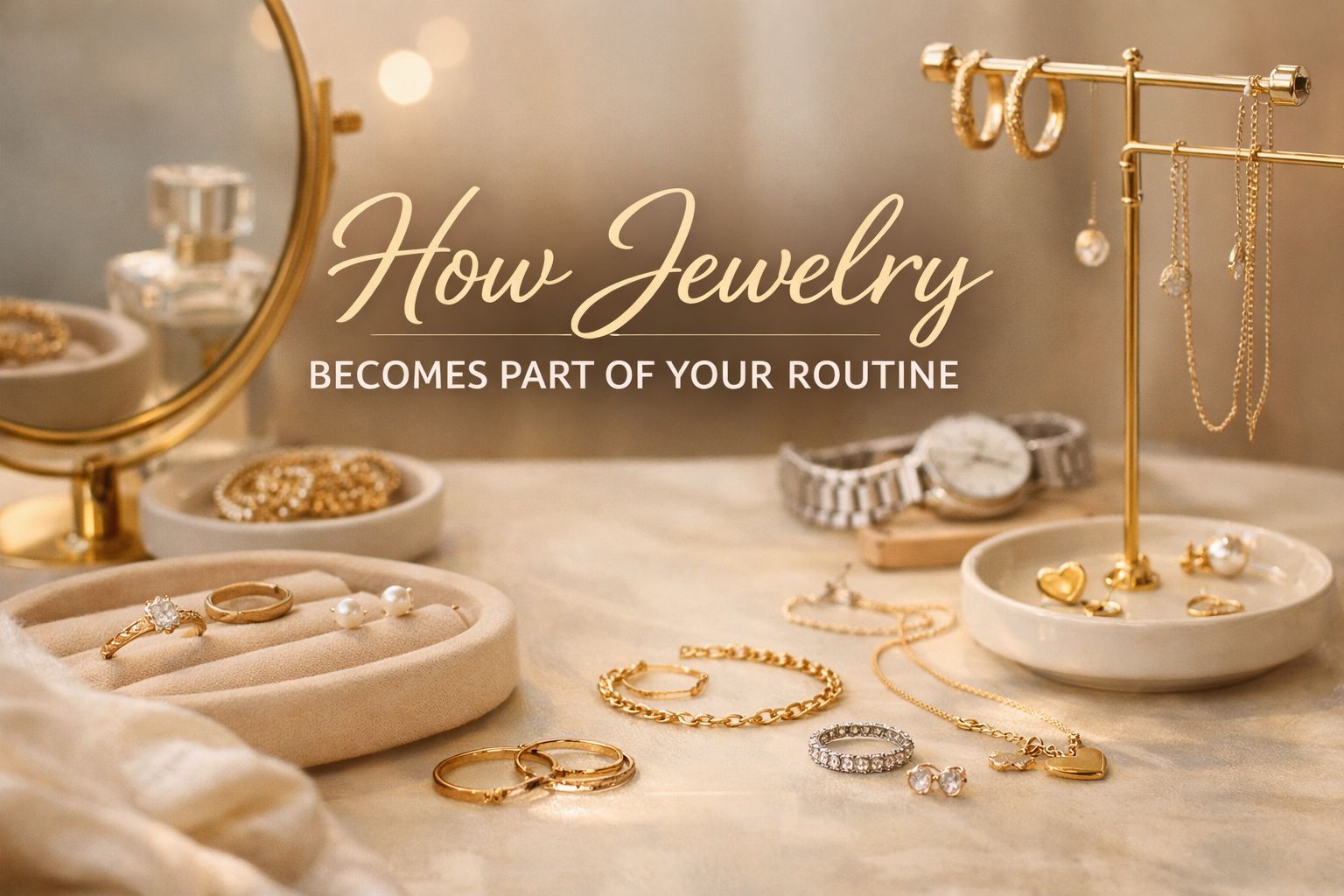
Introduction: Jewelry That Starts as “Special”
Some jewelry enters our lives with a clear purpose. It’s bought for a milestone, given as a meaningful gift, or chosen for a moment that feels important enough to mark with something lasting. At first, these pieces are often reserved for rare occasions. They come out for weddings, anniversaries, holidays, or formal events. The rest of the time they stay carefully stored away.
Yet many favorite pieces don’t remain “special occasion” jewelry forever. Over time, something shifts. The necklace that once felt too elegant for everyday errands suddenly works with a simple sweater. The ring worn only during celebrations becomes comfortable enough for daily use. Gradually, the piece appears more often in ordinary moments.
This transition happens quietly. It’s rarely a deliberate decision. Instead, the jewelry slowly moves from occasional wear to something closer to habit.
In the United States, where personal style tends to blend casual and polished elements, this shift is common. Jewelry originally chosen for meaningful events often finds a place in everyday routines. The piece keeps its original significance, but it also becomes part of daily life.
Understanding how that transition happens—and how to care for jewelry once it becomes part of your routine—helps people enjoy meaningful pieces more fully rather than saving them indefinitely.
________________________________________
Why Some Pieces Transition to Daily Wear
Not every special piece becomes part of everyday life. Some jewelry remains reserved for rare events because it’s delicate, large, or difficult to style with casual clothing.
The pieces that make the transition usually share certain practical qualities.
They’re comfortable for long periods
Comfort is one of the biggest factors. Jewelry that presses against the skin, catches on clothing, or feels heavy tends to remain occasional.
For example, a slim ring with a smooth band can often be worn all day without distraction. A necklace with a modest pendant may sit comfortably against the collarbone during normal movement.
When a piece feels natural during daily activities—typing, commuting, cooking, walking—it becomes easier to wear more often.
They adapt to different clothing styles
Special occasion jewelry is sometimes designed for formal clothing. But pieces that transition to daily wear usually work with a wide range of outfits.
A delicate pendant necklace might pair just as well with a T-shirt as with a dress. A simple bracelet might complement both casual and professional clothing.
Versatility makes it easier for the piece to appear repeatedly in everyday outfits.
They become familiar
The first few times someone wears a special piece casually can feel unusual. But repetition changes that experience.
Once the jewelry has been worn during ordinary activities several times, the novelty fades. The piece becomes familiar rather than formal.
Familiarity often marks the turning point when someone starts reaching for the jewelry automatically.
They carry meaning worth keeping close
Many pieces that transition to daily wear have emotional significance. Wearing them regularly allows the owner to keep that meaning present in everyday life rather than reserving it for rare moments.
This emotional connection can outweigh concerns about whether the piece feels “too special” for ordinary days.
________________________________________
Sentimental Value and Routine Use
Sentimental jewelry often begins with a story. It might represent a relationship, a life milestone, or a meaningful gift. At first, that meaning can make people cautious about wearing it frequently.
There’s a natural instinct to protect something valuable or emotionally important. For that reason, sentimental pieces sometimes remain stored away longer than necessary.
But sentiment can also encourage the opposite behavior.
Keeping meaning visible
Some people find that wearing meaningful jewelry daily helps keep the memory or relationship it represents present in everyday life.
A ring given during an important moment may feel more meaningful when it’s worn regularly rather than saved for rare occasions.
This doesn’t diminish the significance of the piece. Instead, it integrates that meaning into daily experience.
Memory through repetition
Repeated wear builds additional layers of memory.
A necklace originally tied to one special event might later be worn during travel, workdays, celebrations, and ordinary routines. Over time, the piece becomes associated with a broader stretch of life.
Its meaning expands rather than remaining fixed to a single moment.
Emotional comfort
Jewelry can also serve as a subtle form of reassurance. Wearing a piece connected to someone important may provide a quiet sense of familiarity throughout the day.
This emotional dimension often explains why certain pieces remain in constant rotation even when the wearer owns many alternatives.
________________________________________
Balancing Preservation and Use
One challenge with meaningful jewelry is balancing preservation with enjoyment. People often worry that frequent wear might damage something valuable.
This concern is understandable. Jewelry does experience gradual wear when used regularly. However, storing pieces indefinitely can prevent people from enjoying them.
A practical balance usually works best.
Understanding normal wear
Everyday jewelry naturally experiences small signs of use over time. Rings may develop light surface scratches. Chains may gradually show slight wear where links move against each other.
These changes are part of normal use rather than signs of neglect.
Most well-constructed jewelry is designed to tolerate regular wear, though the durability of a specific piece depends on its materials and design.
If someone is unsure about the durability of a particular item, consulting a professional jeweler is a reliable way to assess it.
Avoiding unnecessary risks
Enjoying jewelry daily doesn’t mean ignoring common-sense precautions.
Certain activities can expose jewelry to impact or abrasion. For example:
• Heavy lifting with metal tools
• Intense manual labor
• Contact sports
In these situations, temporarily removing jewelry may help prevent accidental damage.
Using jewelry as intended
Jewelry generally performs best when used in the way it was designed. Rings are meant to be worn on fingers, necklaces around the neck, and bracelets on the wrist.
Problems sometimes arise when pieces are used in ways that create unusual stress—such as pulling on delicate chains or bending thin components.
Treating jewelry with normal care allows frequent wear without excessive risk.
________________________________________
Caring for Frequently Worn Pieces
Once jewelry becomes part of daily life, regular care helps maintain its appearance and function.
The goal isn’t elaborate maintenance. A few consistent habits usually make the biggest difference.
Periodic cleaning
Jewelry worn daily collects residue from skin oils, lotions, and environmental dust.
Gentle cleaning can restore its appearance. The safest method depends on the materials involved. When uncertain, asking a jeweler about appropriate cleaning methods is a good starting point.
Some people prefer professional cleaning once or twice a year for frequently worn pieces.
Occasional inspections
Daily wear can slowly loosen certain components, particularly clasps or stone settings.
Checking jewelry periodically for changes—such as loose stones, worn clasps, or bent prongs—helps identify small issues before they become larger problems.
Professional jewelers often offer quick inspections and adjustments.
Proper storage when not worn
Even jewelry worn regularly needs a place to rest when it’s removed.
Storing pieces in a jewelry box or soft pouch can reduce tangling and surface scratches. Separating items prevents harder materials from rubbing against softer ones.
This step is simple but helps maintain appearance over time.
Insurance considerations
Some high-value pieces may qualify for jewelry insurance or coverage through homeowners’ policies. The details vary widely depending on the policy and provider.
Anyone considering insurance for valuable jewelry should review policy terms carefully or consult an insurance professional for accurate guidance.
________________________________________
When Jewelry Becomes Part of Personal Identity
At a certain point, some jewelry stops feeling like an accessory and starts feeling like part of a person’s appearance.
This transformation often happens without conscious awareness.
Familiar visual cues
People who wear the same ring or necklace for years sometimes become associated with that piece in the eyes of friends and family.
The jewelry becomes a recognizable element of their appearance.
Habitual wearing
Daily habits also reinforce this identity connection.
Putting on the piece may become as automatic as picking up keys or checking a phone before leaving the house.
When something is repeated every day, it naturally becomes part of personal routine.
The feeling of absence
A clear sign that jewelry has become integrated into identity is the feeling when it’s missing.
Someone who forgets a ring they usually wear may notice immediately. The absence can feel surprisingly noticeable even if the piece is small.
That reaction reflects how strongly the jewelry has become integrated into daily habits.
________________________________________
Common Mistakes When Transitioning Jewelry to Daily Wear
While many pieces adapt well to everyday use, a few common mistakes can shorten their lifespan or reduce comfort.
Ignoring fit adjustments
Rings that are slightly loose or necklaces that are too long may move excessively during daily activity.
Small adjustments—such as resizing a ring or shortening a chain—can dramatically improve comfort and stability.
Wearing pieces in high-impact situations
Some people continue wearing jewelry during activities where impacts are likely, such as sports or heavy manual work.
Removing jewelry briefly during these situations helps prevent accidental bending or scratching.
Skipping routine inspections
Minor wear can accumulate slowly. Ignoring small issues—like a loose clasp—can eventually lead to larger problems.
Periodic inspection by a jeweler helps maintain frequently worn pieces.
________________________________________
Frequently Asked Questions
Is it safe to wear sentimental jewelry every day?
Often yes, provided the piece is durable and cared for properly. If someone is unsure about durability, a professional jeweler can evaluate the design and materials.
How can someone decide whether to start wearing a special piece daily?
One approach is to try wearing the piece for several ordinary days and observe how it behaves during typical activities. If it remains comfortable and secure, it may adapt well to daily use.
What if I worry about damaging meaningful jewelry?
Balancing use and care is usually the best approach. Wearing the piece regularly while avoiding high-risk activities allows enjoyment without unnecessary stress.
Should special jewelry be professionally cleaned?
Professional cleaning can help maintain appearance, particularly for pieces worn frequently. The recommended schedule varies depending on materials and wear patterns.
Why do certain pieces feel strange when not worn?
Once jewelry becomes part of daily routine, the brain begins to expect its presence. When it’s missing, the difference becomes noticeable.
________________________________________
The Evolving Meaning of Jewelry
Jewelry doesn’t remain fixed in its role. A piece that begins as something reserved for rare occasions can gradually become part of everyday life.
This shift doesn’t diminish its original significance. Instead, it expands the meaning of the piece.
What once represented a single moment starts accompanying many moments—ordinary mornings, busy afternoons, quiet evenings. The jewelry becomes part of daily experience rather than something kept separate from it.
Over time, the favorite pieces people wear most often are rarely the ones chosen only for appearance. They’re the ones that fit naturally into life’s rhythms, carrying both practicality and memory wherever the day happens to lead.
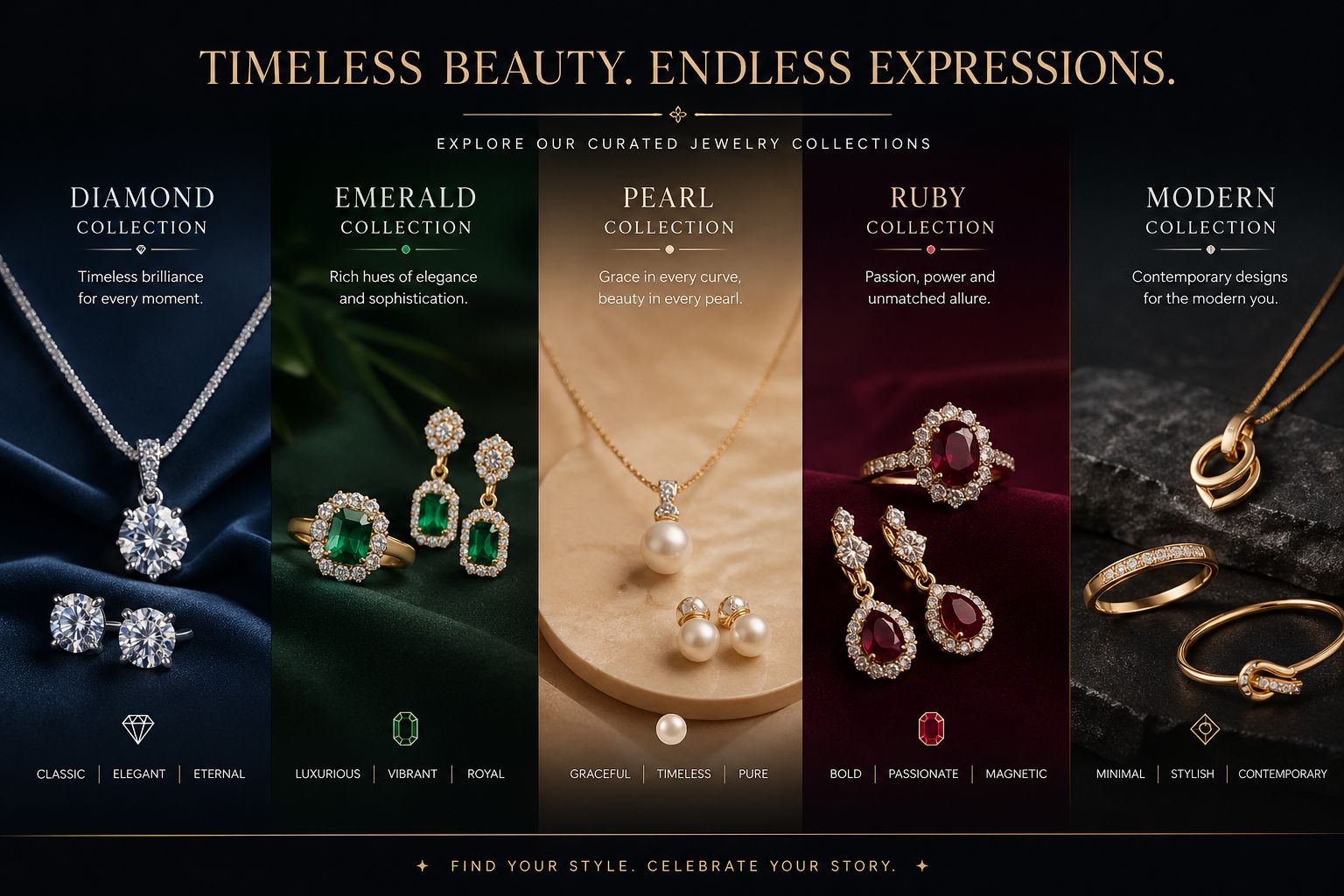

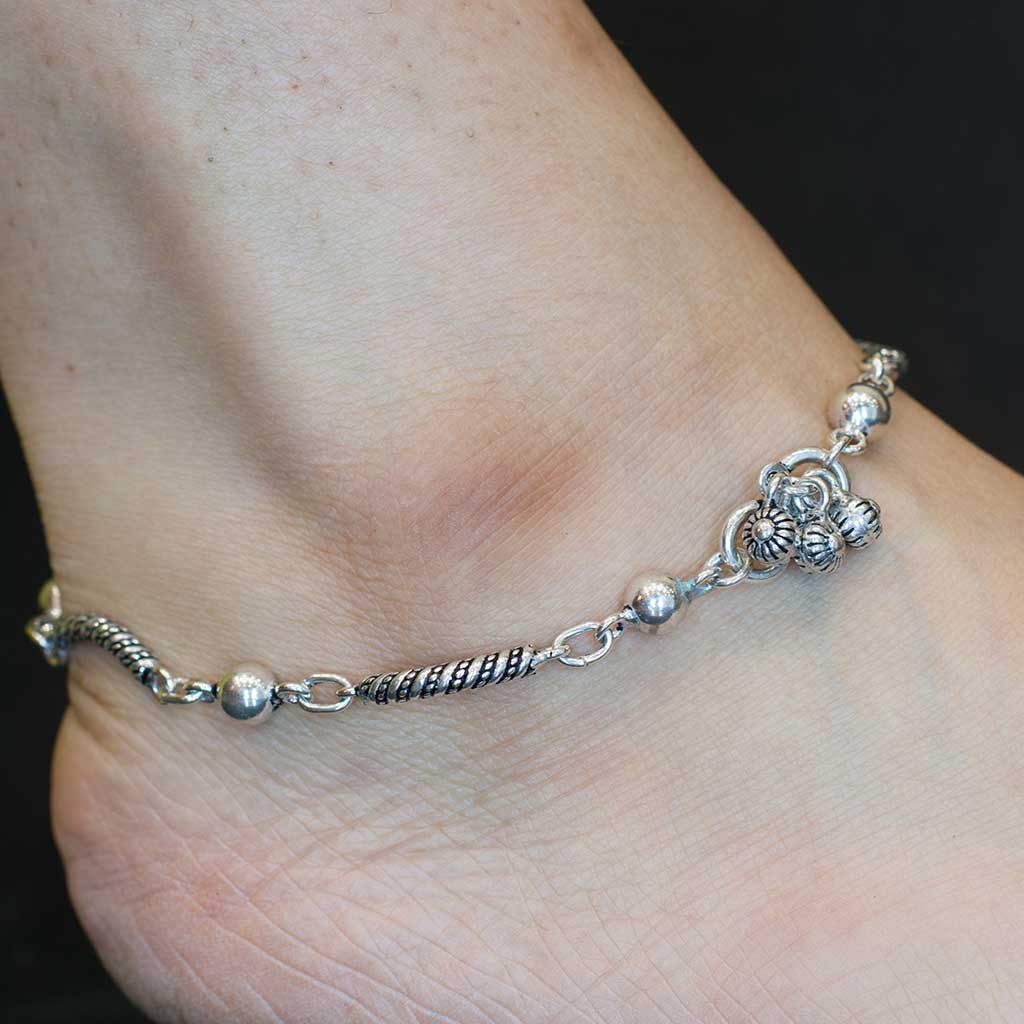
Silver with Sabi is known for Women fashion jewellery from where you can buy classic silver anklet design or stylish anklet designs to wear in special occasion.
If you are looking for pure silver anklets for daily wear then Sabi jewelry store in the best place from where you can buy unique designs of handmade ankle chain at best price