Pain or cramping in the legs while walking can sometimes signal Blocked Leg Arteries, a condition linked to vascular disease in legs. When arteries narrow due to plaque buildup, blood flow to the lower limbs reduces, leading to discomfort and reduced mobility. Many patients diagnosed with this condition often ask whether Angioplasty or Leg bypass surgery is the better treatment. Both options aim to restore circulation, but the right choice depends on the severity of blockage, symptoms, and overall health.
Blocked Leg Arteries: Causes, Risks, and Complications
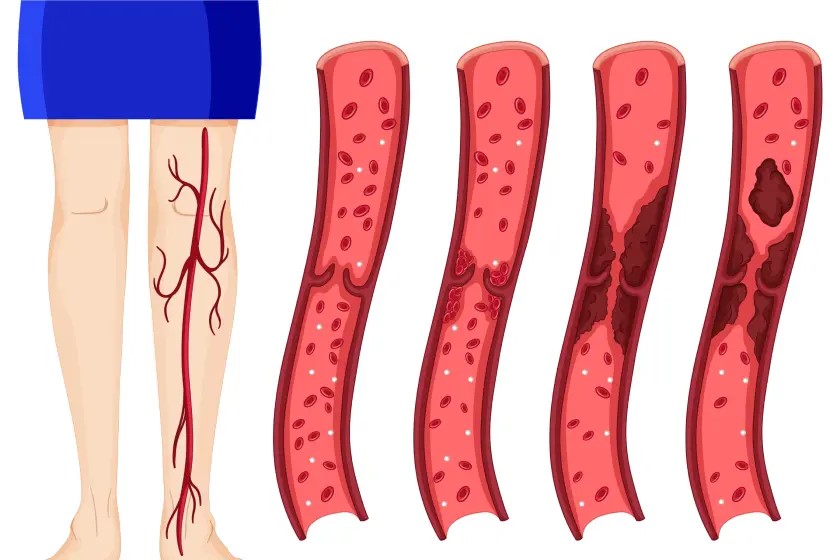
Blocked Leg Arteries usually develop due to atherosclerosis, where fatty deposits collect along the artery walls and restrict blood flow. Risk factors include smoking, diabetes, high cholesterol, high blood pressure, and lack of physical activity. Over time, poor circulation can lead to ulcers, infections, or tissue damage. This condition is a common form of vascular disease in legs, and early detection can help prevent serious complications.
Symptoms of Leg Artery Disease That Indicate Poor Circulation
Recognising leg artery disease symptoms early is important. Many patients experience pain or cramping in the calves during walking that improves with rest. Other signs include numbness, coldness in the feet, slow-healing wounds, and changes in skin colour. These symptoms indicate reduced circulation and should not be ignored.
When Do Blocked Leg Arteries Need Medical Treatment?
Medical treatment becomes necessary when symptoms interfere with daily activities or circulation continues to worsen. Doctors evaluate the condition and decide whether lifestyle changes, medication, angioplasty treatment, or leg bypass surgery is the best approach.
Angioplasty Treatment for Blocked Leg Arteries
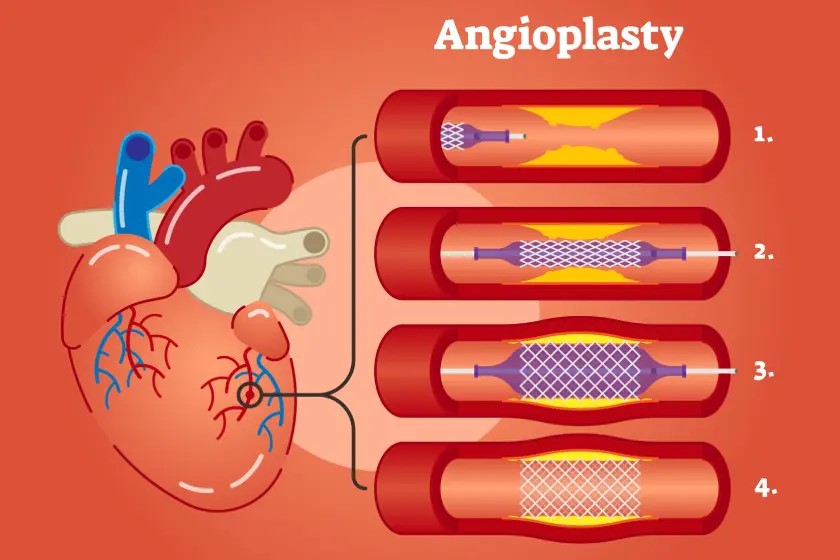
Angioplasty is a minimally invasive procedure used to open narrowed arteries. During this angioplasty treatment, a small balloon is inserted into the affected artery and inflated to improve blood flow. In many cases, a stent is placed to keep the artery open and support long-term circulation.
Angioplasty Procedure for Leg Arteries: Benefits and Recovery
The angioplasty procedure for leg arteries is performed through a small catheter, usually inserted in the groin area. Because it is less invasive than surgery, recovery is faster, and most patients can return to normal activities sooner. The procedure helps reduce pain, improve walking ability, and slow the progression of vascular disease in legs.
Leg Bypass Surgery: When Surgery Becomes Necessary
In more advanced cases, leg bypass surgery may be required to restore proper circulation. This procedure creates a new pathway for blood flow using a graft, allowing blood to bypass the blocked section of the artery.
When Do Doctors Recommend Leg Bypass Surgery?
Doctors usually recommend leg bypass surgery when blockages are severe, long, or not suitable for angioplasty. It is also considered when patients experience serious leg artery disease symptoms, such as constant pain or wounds that fail to heal.
Leg Bypass Surgery vs Angioplasty: Key Differences in Treatment
Both angioplasty and leg bypass surgery treat Blocked Leg Arteries, but they differ in approach. Angioplasty is less invasive and offers quicker recovery, while bypass surgery is more extensive but can be effective for complex blockages.
Recovery and Long-Term Results of Both Treatments
Recovery after angioplasty treatment is usually quicker, though healthy habits remain essential. Recovery from Leg bypass surgery may take longer but can provide lasting improvement in circulation for patients with advanced vascular disease in legs.
Conclusion
Choosing between angioplasty and leg bypass surgery depends on the severity of Blocked Leg Arteries and the patient’s overall condition. With timely diagnosis and proper treatment, patients can manage leg artery disease symptoms, improve circulation, and protect long-term vascular health.

These quadrates the progression of blood to various sections to where blood coagulation is trapped into the venous cavity known as venous thromboembolism (VTE).
Venous thromboembolism is considered the third cause for vascular discovery following coronary disease and stroke according to various examinations.
Restorable vena cava channels aid, in these cases, to prevent the movement of fatal aspiratory embolism by prophylactic care of the bedside.
As the disease expands substantially, a statistical company discloses the probability of obtaining clear facts about venous thromboembolism that is being treated.
Each of the main factors driving growth in the market is discussed in the global report for thromboembolism care, which contributes to the overall picture of the market.
One of the key driver expanding development in the worldwide venous thromboembolism market is the novel advancement of oral anticoagulants (NOACs) that aides in conquering the restriction of momentum accessible treatment alternatives and helps in giving improved consideration to the patients.