


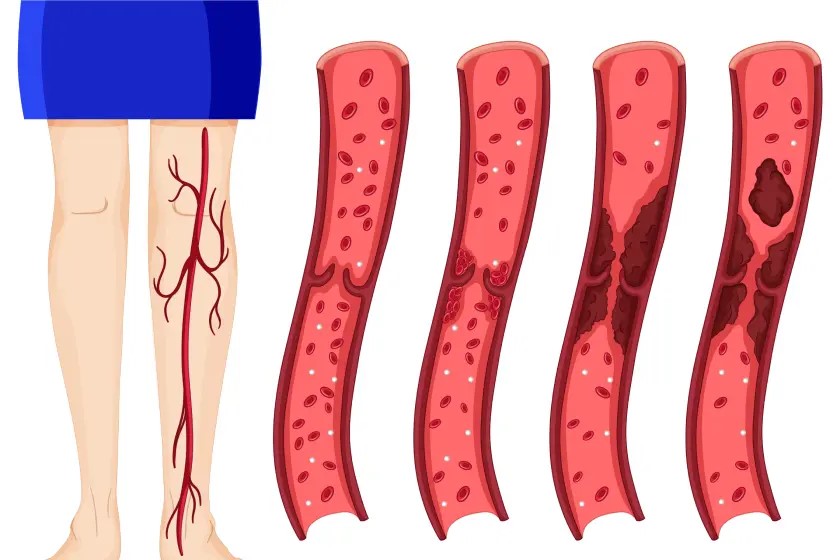
Understanding Aneurysms and Artery Blockages
Blood vessels carry oxygen and nutrients throughout the body, but sometimes these vessels develop serious problems such as aneurysms, blockages, or narrowing due to plaque buildup. An aneurysm occurs when a part of an artery weakens and bulges outward, while artery blockages restrict normal blood flow. Both conditions can affect major organs and may lead to complications if not treated in time. Modern medicine now offers advanced options like endovascular treatment, which focuses on repairing blood vessels with minimally invasive techniques.
What Causes Aneurysms and Artery Blockages in the Body?
Several factors can contribute to aneurysms and artery blockages. High blood pressure, smoking, high cholesterol, diabetes, and ageing are among the most common causes. These conditions weaken artery walls or lead to plaque accumulation, increasing the risk of serious vascular problems. Over time, untreated aneurysms or blockages can disrupt circulation and damage surrounding tissues, making early arterial blockage treatment essential for long-term health.
Symptoms of Artery Blockages That Require Immediate Attention
Recognising artery blockage symptoms early can help prevent major complications. Some people experience chest discomfort, shortness of breath, dizziness, or pain in the limbs due to reduced blood flow. In certain cases, symptoms may appear suddenly, especially if an aneurysm enlarges or a blockage worsens. Because these warning signs can progress quickly, a timely medical evaluation is important.
Diagnosis Methods for Detecting Aneurysms and Arterial Blockages
Doctors use several advanced imaging techniques to detect vascular problems. Ultrasound scans, CT angiography, and MRI scans help identify aneurysms and blocked arteries. These tests allow specialists to evaluate blood flow, determine the size or location of an aneurysm, and plan the most suitable arterial blockage treatment. Accurate diagnosis is the first step in deciding whether a patient may benefit from endovascular surgery.
What Is Endovascular Treatment for Arterial Conditions?
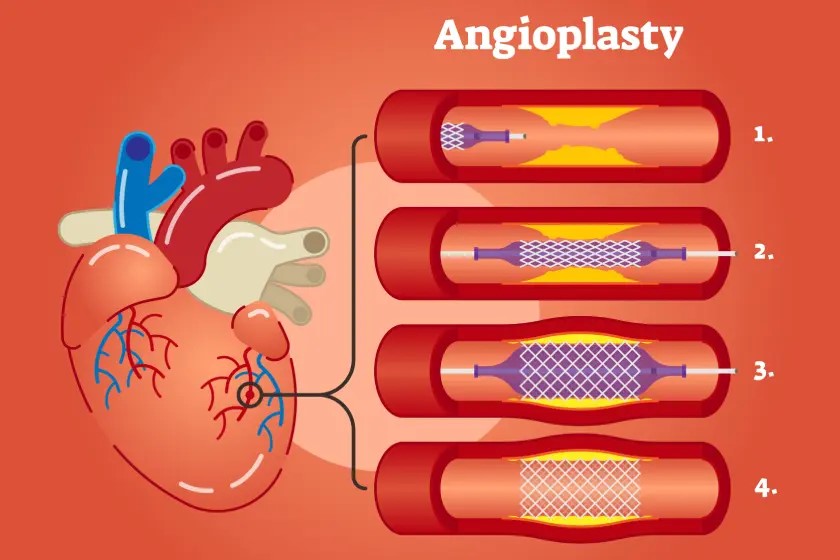
Endovascular treatment is a modern approach used to manage vascular conditions without large surgical incisions. In this method, doctors insert thin catheters through a small puncture, usually in the groin or wrist, and guide them to the affected artery. This approach allows specialists to repair or strengthen damaged blood vessels while minimising trauma to surrounding tissues. Because of these advantages, endovascular surgery has become an important option for treating aneurysms and arterial problems.
Endovascular Therapy for Aneurysms and Arterial Blockages
Endovascular therapy for aneurysms and arterial disease involves placing devices such as stent grafts or balloons inside the artery to restore normal blood flow. This technique helps stabilise weakened vessel walls and treat aneurysms blockages without the need for traditional open procedures. Many patients today benefit from this targeted approach, especially when early intervention is possible.
Benefits of Endovascular Treatment Compared to Open Surgery
One of the biggest advantages of endovascular treatment is that it is minimally invasive. Compared with open surgery, it usually involves smaller incisions, reduced pain, and shorter hospital stays. Patients often recover faster while still receiving effective arterial blockage treatment, making it a preferred option for many vascular conditions.
Recovery and Care After Endovascular Surgery
Recovery after endovascular surgery is generally smoother compared to traditional procedures. Patients are usually advised to follow lifestyle changes, take prescribed medications, and attend follow-up visits to monitor healing. Proper care ensures long-term success and reduces the risk of future artery problems.
Conclusion
Advances in vascular care have transformed how doctors manage aneurysms and blocked arteries. With techniques like endovascular therapy for aneurysms, patients now have safer and less invasive treatment options available. Recognising artery blockage symptoms early and seeking the right arterial blockage treatment can help prevent serious complications and support long-term vascular health.


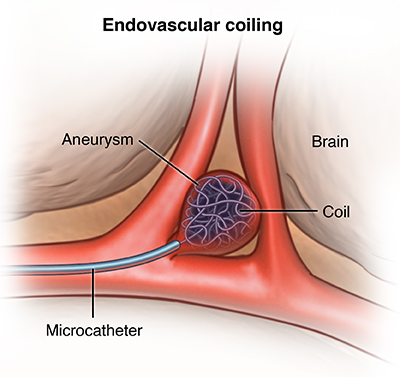
Endovascular Coiling Treatment in India.
Endovascular is a treatment performed to block the blood flow into an aneurysm, which is a fragile area in the wall of an artery.
It prevents blood flow in an aneurysm helps to keep it from rupturing.
This process is minimally invasive, in which an incision in the skull is not required.
Contact us for more Information about Endovascular Coiling Treatment.