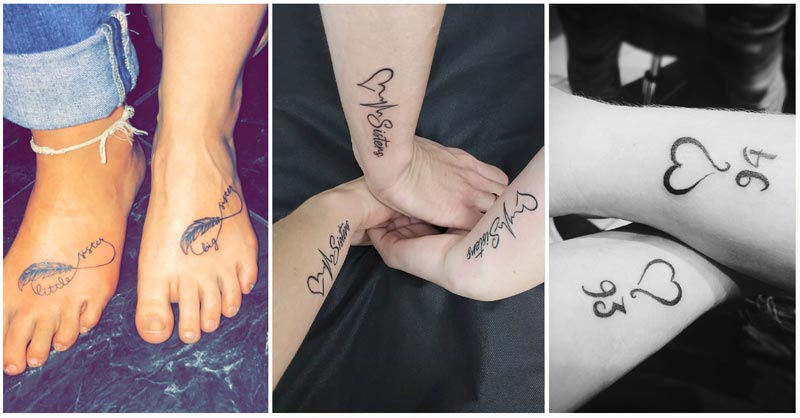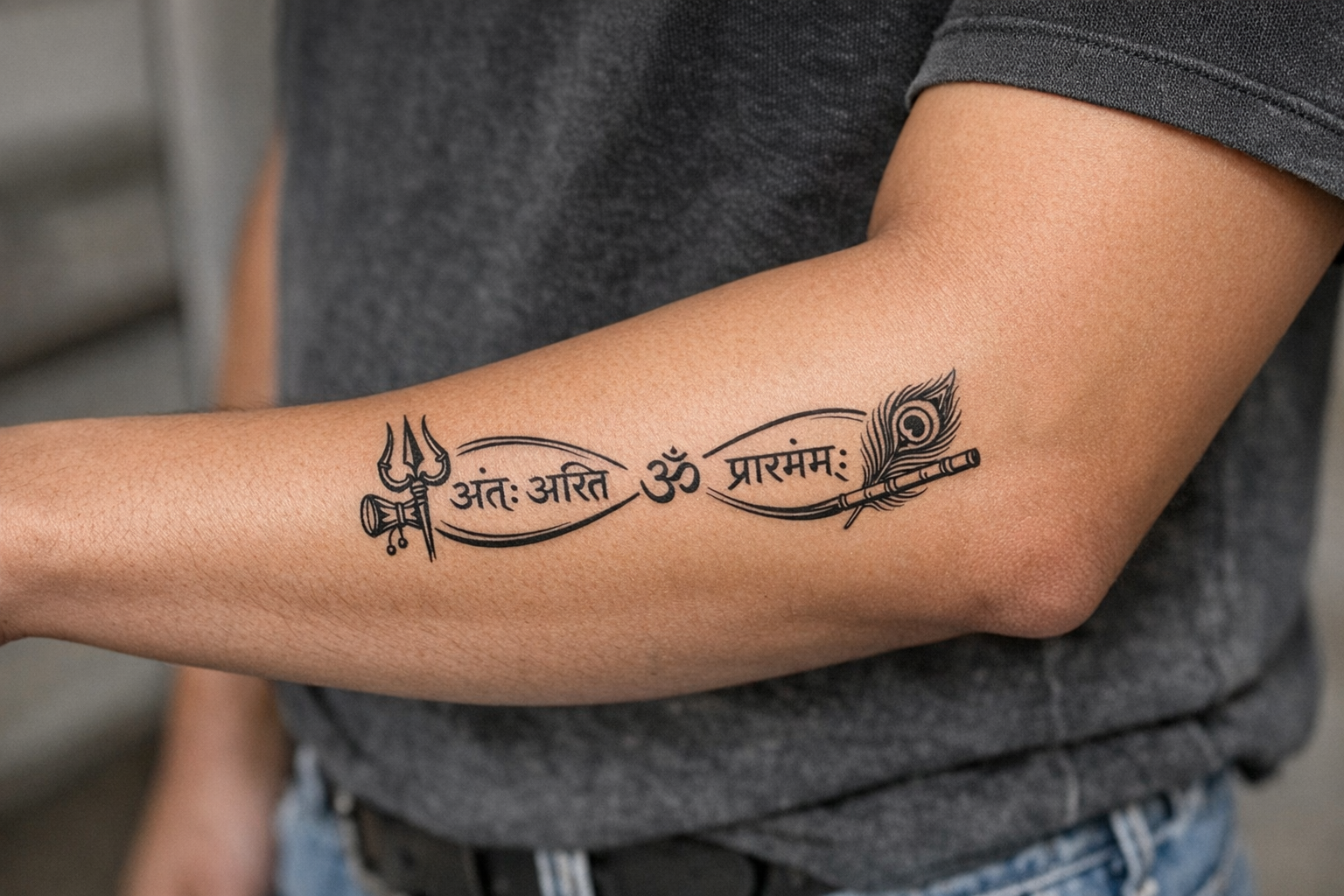
Tattoos have evolved from ancient cultural symbols into a modern form of self-expression embraced across the world. What was once associated with specific tribes, rituals, or subcultures has now become a mainstream art form that reflects individuality, creativity, and personal stories.
### A Brief History of Tattoos
Tattooing dates back thousands of years. Ancient civilizations used tattoos for various purposes—religious beliefs, social status, protection, and even healing. From Polynesian tribal designs to Egyptian symbolic markings, tattoos have always carried deep meaning. Over time, their significance has shifted, but their core purpose—telling a story—remains unchanged.
### Tattoos as Personal Expression
Today, tattoos are often used to represent personal identity. People choose designs that reflect their values, experiences, passions, or memories. A tattoo can symbolize love, loss, growth, or transformation. For some, it’s a way to carry meaningful moments permanently on their skin.
Minimalist designs, portraits, quotes, and abstract art are just a few popular styles. Each tattoo is unique, just like the person wearing it. Whether small and subtle or large and intricate, tattoos allow individuals to express themselves in a deeply personal way.
### Popular Tattoo Styles
There are many tattoo styles to choose from, each with its own aesthetic and technique:
* **Traditional (Old School):** Bold lines, vibrant colors, and iconic imagery like anchors and roses.
* **Realism:** Highly detailed designs that resemble photographs.
* **Tribal:** Inspired by ancient patterns and cultural symbols.
* **Watercolor:** Soft, flowing designs that mimic watercolor paintings.
* **Geometric:** Clean lines and shapes forming symmetrical patterns.
Choosing the right style depends on personal taste and the meaning behind the tattoo.
### The Tattoo Process
Getting a tattoo involves several steps. First, you consult with an artist to finalize the design. The artist then prepares the stencil and uses a tattoo machine to inject ink into the skin. While the process can be slightly painful, the level of discomfort varies depending on the placement and individual tolerance.
Aftercare is crucial. Proper cleaning, moisturizing, and avoiding sun exposure help ensure the tattoo heals well and maintains its quality.
### Things to Consider Before Getting a Tattoo
Before getting inked, it’s important to think carefully:
* **Permanence:** Tattoos are long-lasting, so choose a design you won’t regret.
* **Placement:** Consider visibility and how it may affect personal or professional life.
* **Artist Selection:** Always choose a skilled and hygienic professional.
* **Health & Safety:** Ensure the studio follows proper sterilization practices.
### Changing Perceptions
Tattoos are more accepted today than ever before. While some workplaces and cultures may still have reservations, the overall perception has shifted toward appreciation of tattoos as art rather than rebellion.
### Conclusion
Tattoos are more than just ink on skin—they are stories, emotions, and identities captured in a visual form. Whether chosen for aesthetic appeal or deep personal meaning, tattoos continue to be a powerful way for people to express who they are.
If you’re considering getting one, take your time, do your research, and choose something that truly resonates with you—because a tattoo is not just a design, it’s a lifelong statement.