In today’s fast-paced manufacturing world, precision and efficiency are not optional—they are essential. One of the most critical components in any machining setup is the CNC Tool holder. Acting as the vital connection between the machine spindle and the cutting tool, it directly influences accuracy, surface finish, and overall productivity. Whether you operate a small workshop or a large industrial facility, choosing the right CNC Tool holder can significantly enhance your machining performance.
What is a CNC Tool Holder?
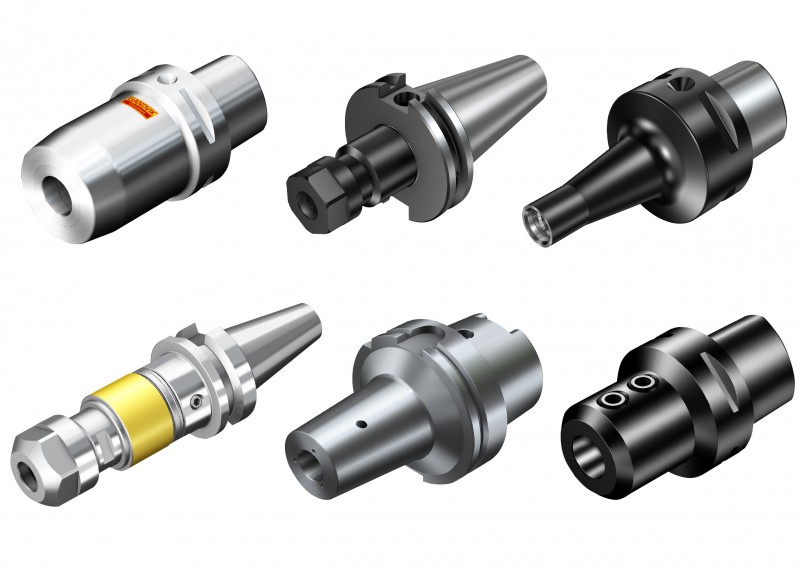
A CNC Tool holder is a device that securely clamps cutting tools such as drills, end mills, and inserts into the spindle of a CNC machine. Its primary function is to maintain a stable and precise grip on the tool while minimizing vibration and runout during operation. This ensures consistent cutting performance and prolongs tool life.
Tool holders are designed to meet various machining requirements, ranging from high-speed milling to heavy-duty cutting. Their design, material, and clamping mechanism play a crucial role in determining how effectively they perform under different conditions.
Why CNC Tool Holders Matter
The importance of a CNC Tool holder cannot be overstated. Even the most advanced CNC machine will fail to deliver optimal results if the tool holding system is inadequate. Here’s why it matters:
1. Precision and Accuracy
A high-quality tool holder ensures minimal runout, which directly impacts dimensional accuracy. Even a slight deviation can lead to defects in the final product.
2. Stability During Machining
Vibration can damage both the tool and the workpiece. A reliable holder absorbs shocks and maintains stability, especially during high-speed operations.
3. Improved Tool Life
Proper clamping reduces wear and tear on cutting tools, allowing them to last longer and perform better over time.
4. Enhanced Productivity
With fewer tool changes, reduced downtime, and consistent performance, productivity increases significantly.
Types of CNC Tool Holders
Different machining tasks require different types of tool holders. Understanding these variations helps in selecting the right one for your application.
Collet Chuck Holders
These are among the most commonly used holders. They use collets to grip tools firmly and are ideal for general-purpose machining. Their flexibility makes them suitable for a wide range of tool sizes.
Hydraulic Tool Holders
Hydraulic holders use fluid pressure to clamp the tool. They offer excellent vibration damping and are ideal for finishing operations where precision is critical.
Shrink Fit Holders
Shrink fit holders use heat to expand the holder, allowing the tool to be inserted. Once cooled, the holder contracts to create a strong grip. These are perfect for high-speed machining due to their exceptional balance and accuracy.
Milling Chucks
Milling chucks provide high clamping force and are ideal for heavy-duty cutting. They ensure maximum torque transmission and are commonly used in roughing operations.
Side Lock Holders
Also known as end mill holders, these use a set screw to lock the tool in place. They are simple, cost-effective, and suitable for applications where high torque is required.
Key Features to Consider
When selecting a CNC Tool holder, it’s important to evaluate several critical factors:
Material Quality
High-grade steel or alloy construction ensures durability and resistance to wear. Premium materials also improve balance and performance.
Runout Accuracy
Low runout is essential for achieving tight tolerances. Look for holders that offer precision within microns.
Balance and Speed Capability
For high-speed machining, a well-balanced holder is crucial. Poor balance can lead to vibration and reduced tool life.
Clamping Force
The strength of the grip determines how well the tool performs under load. Strong clamping prevents slippage and enhances safety.
Compatibility
Ensure the holder is compatible with your machine spindle (e.g., BT, CAT, HSK). Proper compatibility ensures seamless operation.
Applications Across Industries
CNC tool holders are widely used across various industries due to their versatility and reliability.
Automotive Industry
Used for manufacturing engine components, transmission parts, and precision assemblies.
Aerospace Sector
High-precision machining is critical in aerospace, where tool holders ensure accuracy and reliability.
Medical Equipment Manufacturing
Tool holders are used in producing surgical instruments and implants that require extremely tight tolerances.
General Engineering
From small parts to large components, tool holders support a wide range of machining tasks.
Maintenance Tips for Longevity
Proper maintenance of your CNC Tool holder ensures consistent performance and extends its lifespan.
Regular Cleaning
Remove debris, coolant residue, and chips after each use to prevent contamination.
Inspection
Check for wear, cracks, or damage regularly. Replace worn-out holders to maintain precision.
Proper Storage
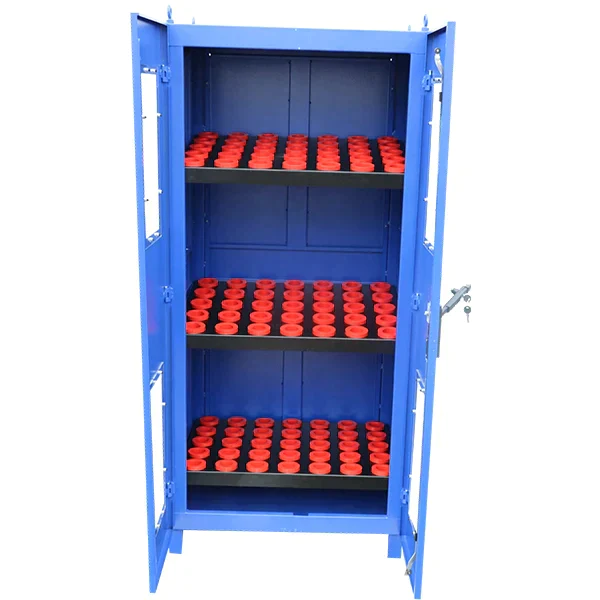
Store tool holders in a clean, dry environment to avoid corrosion.
Balanced Usage
Avoid overloading the holder beyond its capacity to prevent damage.
How to Choose the Right CNC Tool Holder
Selecting the right tool holder depends on your specific machining needs. Consider the following steps:
Identify the type of machining operation (roughing, finishing, drilling).
Determine the required precision and speed.
Match the holder type with the tool and machine compatibility.
Evaluate the cost versus performance benefits.
Making the right choice not only improves efficiency but also reduces operational costs in the long run.
Future Trends in CNC Tool Holding Technology
The evolution of manufacturing technology continues to drive innovation in tool holding systems. Modern tool holders are becoming smarter, more efficient, and highly specialized.
Smart Tool Holders
Equipped with sensors, these holders can monitor vibration, temperature, and performance in real time.
Advanced Materials
New materials are being developed to enhance durability, reduce weight, and improve thermal stability.
Automation Integration
Tool holders are increasingly designed for automated tool-changing systems, improving efficiency in high-volume production environments.
Conclusion
The CNC Tool holder is a fundamental component that directly impacts machining quality, efficiency, and reliability. Investing in the right tool holder ensures better performance, longer tool life, and higher productivity. Whether you’re involved in precision engineering or large-scale manufa