

TL;DR: Moving freight used to mean clipboards, phone calls, and hoping for the best. The trends in logistics industry right now are shifting that in ways most people outside the industry haven’t fully caught up to yet. AI, automation, blockchain, real-time tracking, it’s all here, and US companies are either adopting it or watching competitors do so. This piece walks through ten of the biggest shifts happening on the ground.
Spend any time talking to people who actually run logistics operations in the US and a few things come up again and again. Driver shortages. Rising fuel costs. Customer expectations that were shaped by Amazon and haven’t come back down. And the constant pressure to do more with the same infrastructure they had five years ago.
The trends in logistics industry aren’t just tech news. They’re responses to real pressure points that American shippers, carriers, and 3PLs are feeling every quarter.
Here’s what’s actually changing.
1. AI Is Making Route Planning Less of a Guessing Game
Route optimization isn’t new. But what’s new is how much smarter it’s gotten.
Old-school routing software would give you the shortest path. Modern AI-powered tools factor in real-time traffic across US highway corridors, driver hours-of-service limits under FMCSA rules, weather across regions, fuel prices by state, and delivery time windows. All at once. Updated continuously.
The difference in fuel spend and on-time delivery rates between companies using this and companies still working off basic GPS can be meaningful. For companies running large fleets, this is one of the clearest places where investing in smarter logistics software development services pays off quickly. The savings compound over time in ways that are hard to argue with.
2. Warehouses Don’t Look the Way They Used To
If you haven’t been inside a fulfillment center lately, the change is pretty striking.
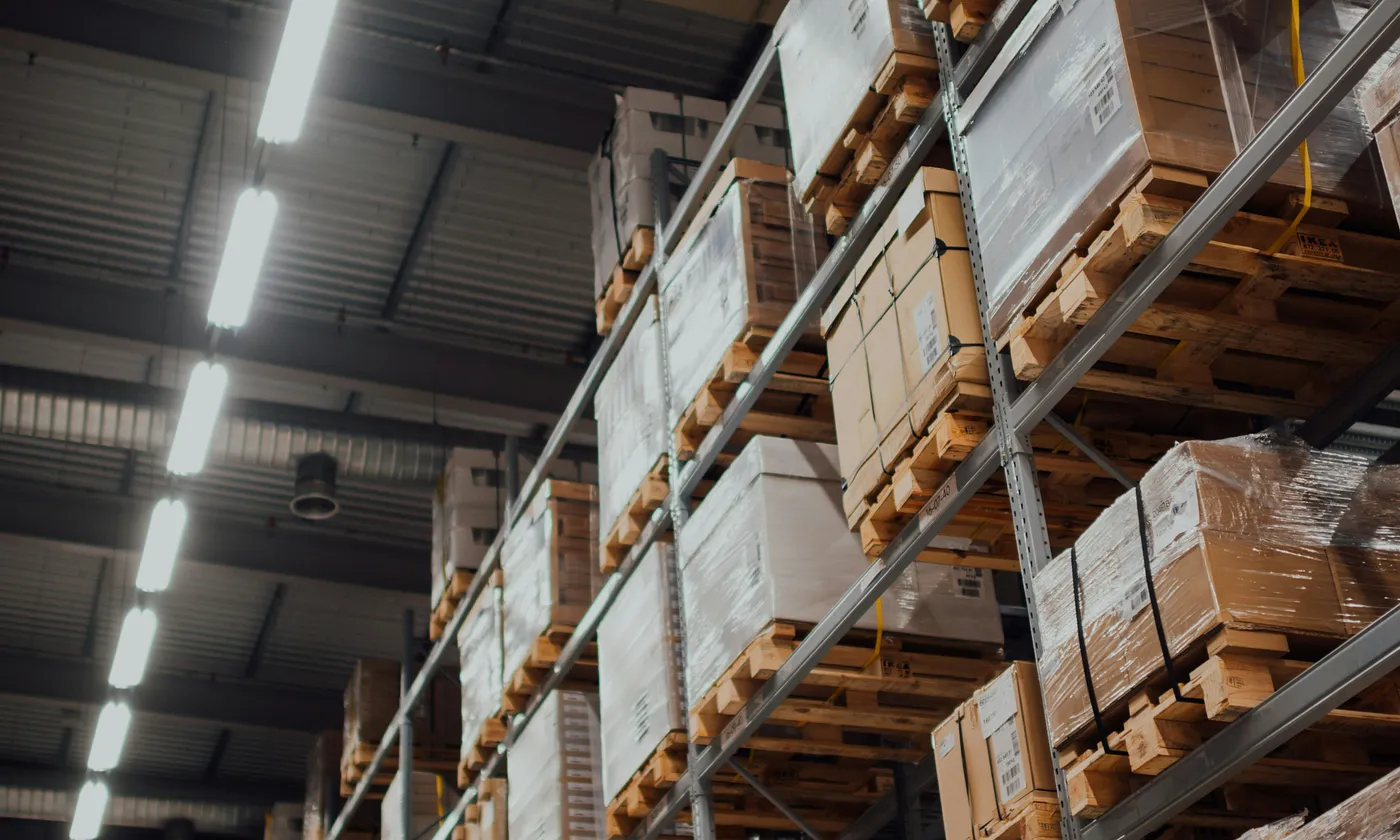
Autonomous mobile robots now move inventory to pick stations instead of workers walking the floor all day. Automated conveyor and sorting systems push order fulfillment speeds that would have been impossible with purely manual processes. And that matters most during peak periods like Q4, when volume can double or triple almost overnight.
What tends to get underestimated is how hard the integration piece is. Getting a new robotic picking system to communicate cleanly with a legacy WMS built ten years ago is where a lot of projects stall out. That’s not a technology problem. It’s a software and systems problem.
3. “Where’s My Shipment?” Is Finally Getting a Real Answer
Ask any operations manager at a mid-size US manufacturer what keeps them up at night and shipment visibility is almost always in the top three.
A container leaves a port. Maybe it’s in LA. Maybe it’s stuck in a rail yard in Kansas City. Maybe it cleared customs. Nobody knows for certain until it shows up or doesn’t.
Real-time visibility platforms are changing this by pulling together GPS data, carrier EDI feeds, port updates, and IoT sensor pings into a single view that actually reflects where things are. Not where they were this morning. Right now.
For companies shipping temperature-controlled goods, pharma, or anything with a tight delivery window, that level of visibility isn’t a nice-to-have. It’s essential.
4. Blockchain Is Solving a Problem Most People Ignore Until It Costs Them
Blockchain in logistics gets eye-rolls from some corners. Fair. A lot of the hype from a few years back didn’t pan out the way people claimed it would.
But there’s a specific problem it actually solves well: proving that a product is what it says it is, and that it’s been handled the way it was supposed to be.
In food supply chains, pharmaceutical distribution, and high-value manufacturing, the ability to pull up an unalterable record of every handoff a shipment went through is genuinely useful. Not just for compliance. For liability. For insurance. For building trust with customers who increasingly want to know exactly where their products came from.
US companies in those industries are moving on this. Slowly, but they’re moving.
5. Demand Forecasting Has Gotten a Lot Less Humbling
Every logistics and supply chain team has a story about a forecast that went sideways. Ordered too much before a trend reversed. Got caught short before a demand spike nobody saw coming. It happens.
Predictive analytics tools are getting better at this by pulling in signals that traditional forecasting models never touched. Regional buying patterns. Economic indicators. Social data. Supplier lead time variability.
Get DianApps Technologies’s stories in your inbox
Join Medium for free to get updates from this writer.
Subscribe
Subscribe
Remember me for faster sign in
The forecasts still aren’t perfect. Nobody’s pretending they are. But they’re consistently better than what most teams were building manually, and the gap between companies using good predictive tools and those still running on spreadsheets is getting wider every year.
The caveat everyone working in this space will tell you: clean data first. The tool is only as good as what you feed it.
6. Last-Mile Delivery in the US Is Getting Rethought from Scratch
Last-mile is where logistics gets genuinely hard. In dense US metro areas, getting a package from a sortation center to a front door involves traffic, parking, apartment building access, and driver productivity that’s almost impossible to optimize with traditional methods.
A few things are happening in parallel. Drone delivery has moved past the pilot project phase in select US markets, with FAA regulatory frameworks gradually catching up to the technology. Autonomous delivery robots are operating on sidewalks in parts of California and Texas. Micro-fulfillment centers placed closer to population centers are cutting the distance that last-mile actually needs to cover.
No single approach works everywhere. But shippers now have more tools than they’ve had before, and the pressure to use them is real given what customers expect after years of next-day and same-day delivery becoming normal.
7. Digital Freight Platforms Are Cutting Out a Lot of Middle Steps
The traditional way freight brokerage worked in the US involved a lot of calls, faxes (yes, sometimes still faxes), and negotiated rates that weren’t always transparent.
Digital freight marketplaces let shippers post loads and get instant quotes from a network of verified carriers. Tracking is built in. Documentation is standardized. The whole process that used to take hours of back-and-forth can happen in minutes.
This is one of the trends in logistics industry that’s genuinely disrupting the broker model. Some brokers have adapted by building their own digital tools. Others are getting squeezed. For shippers, the main upside is price transparency and less time spent on phone calls that shouldn’t need to happen in 2026.
8. Sustainability Isn’t Optional Anymore for US Shippers
This one has shifted in the last couple of years. Green logistics used to be something companies talked about in annual reports and didn’t actually change much over. Now the pressure is coming from multiple directions at once.
Big retail and manufacturing customers are requiring emissions reporting from their suppliers as part of ESG commitments. State-level regulations in California are accelerating the transition to electric commercial vehicles. And fuel costs alone make route efficiency and load consolidation financially attractive regardless of where you stand on environmental issues.
The good news is that most of the things that reduce a US logistics operation’s carbon footprint also reduce its costs. Fewer empty miles. Better load utilization. Electric vehicles with lower per-mile operating costs on urban routes. These changes tend to pay for themselves in ways that make the business case easier than it used to be.
9. Sensors Are Doing the Monitoring Work That People Can’t
A refrigerated trailer running across I-70 in July shouldn’t require someone checking in by phone every few hours to confirm the temperature is holding. That’s what IoT sensors are for.
Smart monitoring devices now track temperature, humidity, light exposure, shock, and location throughout a shipment’s journey. If something goes wrong, a live alert goes out. Not a note in a log that someone reads the next morning.
For US companies shipping food, biologics, chemicals, or electronics, this kind of monitoring is shifting from a differentiator to a baseline expectation. And the data doesn’t just help with exceptions. Over time, it builds a picture of where in the supply chain losses are actually happening, which is usually more revealing than people expect.
10. Off-the-Shelf Software Is Hitting Its Limits
Here’s something that doesn’t get talked about enough.
A lot of US logistics companies have spent years stitching together TMS platforms, WMS tools, carrier integrations, and customer portals that technically work but don’t really work together. Every handoff between systems is a potential gap. Every gap is a potential error or delay.
Generic platforms are built for a generic operation. When your operation has specific carrier relationships, unusual freight types, regional quirks, or customer requirements that don’t fit the standard model, you end up customizing and workarounding until the software is barely recognizable from what you bought.
This is why investment in logistics software development services has grown significantly among US mid-market and enterprise shippers. Building a platform around how your operation actually runs, rather than adapting your operation to fit a platform, produces better results. It takes longer upfront. But the efficiency gains compound in ways that off-the-shelf tools typically can’t match.
Wrapping Up
The trends in logistics industry right now have a common thread: reducing the cost of not knowing things. Not knowing where a shipment is. Not knowing what demand will look like next quarter. Not knowing whether your systems are working the way you think they are.
US logistics companies that are investing in tools and platforms that close those information gaps are pulling ahead. The ones that aren’t are finding out the hard way that their competitors have gotten faster and cheaper in ways that are hard to explain by operational effort alone.
If your operation is feeling that gap, the conversation usually ends up in the same place: what would it actually take to build systems that fit how we work? That’s where custom software development services come in. Not as an IT project, but as an operations investment. The companies getting the most value from technology right now aren’t the ones who bought the best tools. They’re the ones who built the right ones.

The logistics industry has been the most profitable business in recent years.
Due to the increased demand and raise in population, the E-Commerce & Supply Chain industry is reaping profits.
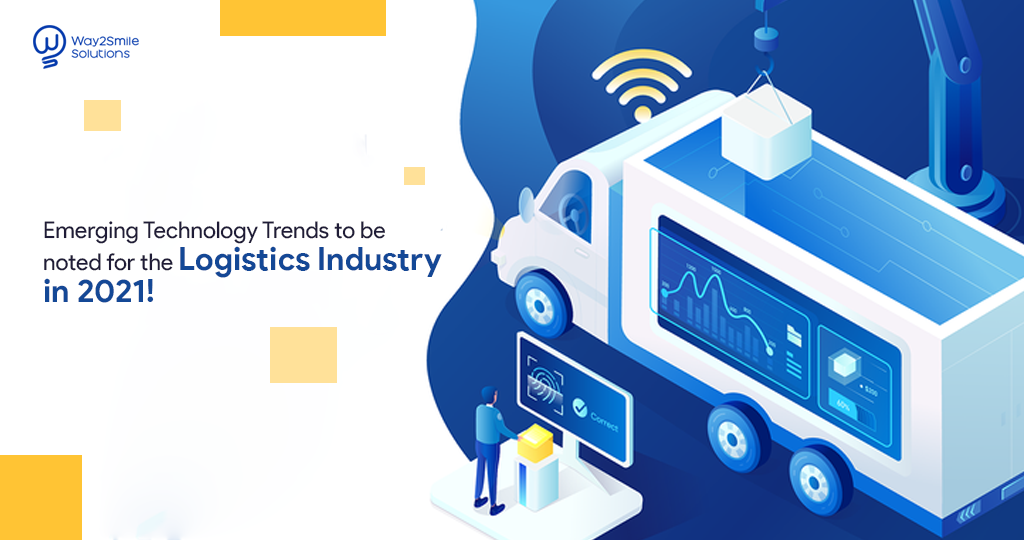
However, this is considered as the most competitive and challenging business across the globe.Since manual processes are not going to help manage the huge volumes of data, one should have streamlined business flow and come up with unique business strategies to cope up with the current trends.
Additionally, one should also understand and leverage new technologies to make this effective.Logistics are one of the greatest and profitable industries which can make money.
We have discussed the Top 10 Technology trends in the Logistics industry for the year 2021.Learn more at Technology Trends to be noted for the Logistics Industry in 2021.

Using the knowledge and expertise in the logistics industry, Buzeki Logistics Ltd contract logistics partner of choice for logistics outsourcing and the management of complex supply chains.