


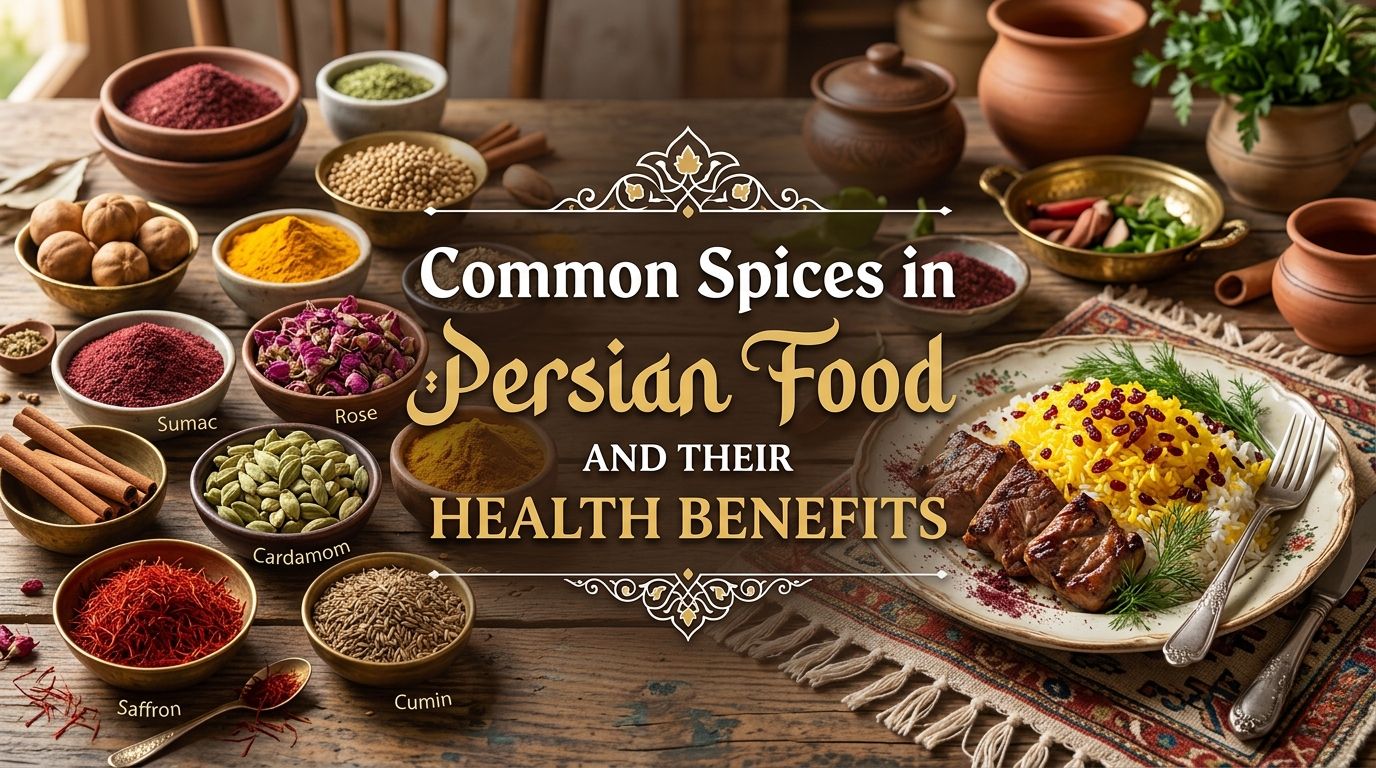
Persian cuisine has been gaining global attention—not just for its rich, layered flavors but also for its natural health benefits. Walk into any persian food restaurant, and you’ll immediately notice the warm, inviting aroma of spices. These spices are not only essential to the taste of persian food, but they also bring impressive wellness benefits to the table.
Let’s take a closer look at some of the most commonly used spices and why they deserve a spot in your diet.
1. Saffron – The Golden Spice
Saffron is one of the most iconic ingredients in Persian cooking.
Why it’s used:
- Adds vibrant color and subtle aroma to rice and desserts
- Enhances both sweet and savory dishes
Health benefits:
- May improve mood and reduce stress
- Rich in antioxidants
- Supports heart health
A pinch is enough—your wallet and your taste buds will both agree.
2. Turmeric – The Everyday Essential
Turmeric forms the base of many Persian stews and dishes.
Why it’s used:
- Provides earthy flavor and golden color
- Commonly used in khoresh (traditional stews)
Health benefits:
- Anti-inflammatory properties
- Supports joint and immune health
- May aid digestion
3. Dried Rose Petals – A Floral Delight
A unique ingredient that gives Persian cuisine its signature elegance.
Why it’s used:
- Adds fragrance to desserts and teas
- Enhances presentation and flavor
Health benefits:
- Helps in digestion
- May reduce stress and anxiety
- Contains mild anti-inflammatory compounds
Yes, eating flowers is officially sophisticated now.
4. Dried Lime (Limoo Amani) – The Tangy Secret
This ingredient is a staple you’ll often find in a persian food restaurant.
Why it’s used:
- Adds tangy and slightly smoky flavor to stews
- Balances rich and hearty dishes
Health benefits:
- High in vitamin C
- Supports digestion
- Boosts immunity
5. Cinnamon – Sweet Meets Savory
Cinnamon isn’t just for desserts in Persian cuisine.
Why it’s used:
- Adds warmth to both rice and meat dishes
- Creates a sweet and savory balance
Health benefits:
- Helps regulate blood sugar
- Rich in antioxidants
- Supports heart health
6. Sumac – The Zesty Finisher
A must-have spice often sprinkled over kebabs and salads.
Why it’s used:
- Adds a lemony, tangy taste
- Used as a finishing touch for grilled dishes
Health benefits:
- Packed with antioxidants
- May help control blood sugar
- Supports digestive health
Final Thoughts
The beauty of persian food lies in its balance of taste and health. Each spice plays a role not just in flavor but also in promoting well-being. Whether you’re cooking at home or dining at a persian food restaurant, you’re enjoying a cuisine that blends tradition with nutrition.
So next time you take a bite, remember—you’re not just eating a delicious meal, you’re also giving your body a little extra care.

We can read thousands of years of civilization from history.
Also, the remnants of this empire will showcase you the history of this place.
Along with many prehistoric mosques, minarets, and mausoleums, tourists can also explore various attractions such as biblical prophet Daniel, paradisiacal gardens, ancient bazaars, and many other things during their Iran classic tour.
We can state that Iran is one of the most famous countries with a rich history and full of different events that draw the attention of tourists from the rest of the world to come here and visit this legendary place.
You can find many reputed companies offer the best tour packages according to your needs and specifications.
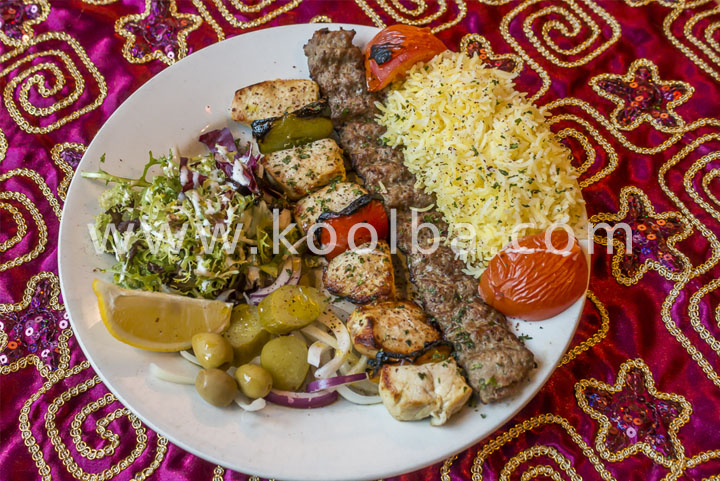
Persian food tour: We must say that your private Persian food tour will be a great success and thanks to the country’s cuisine.
