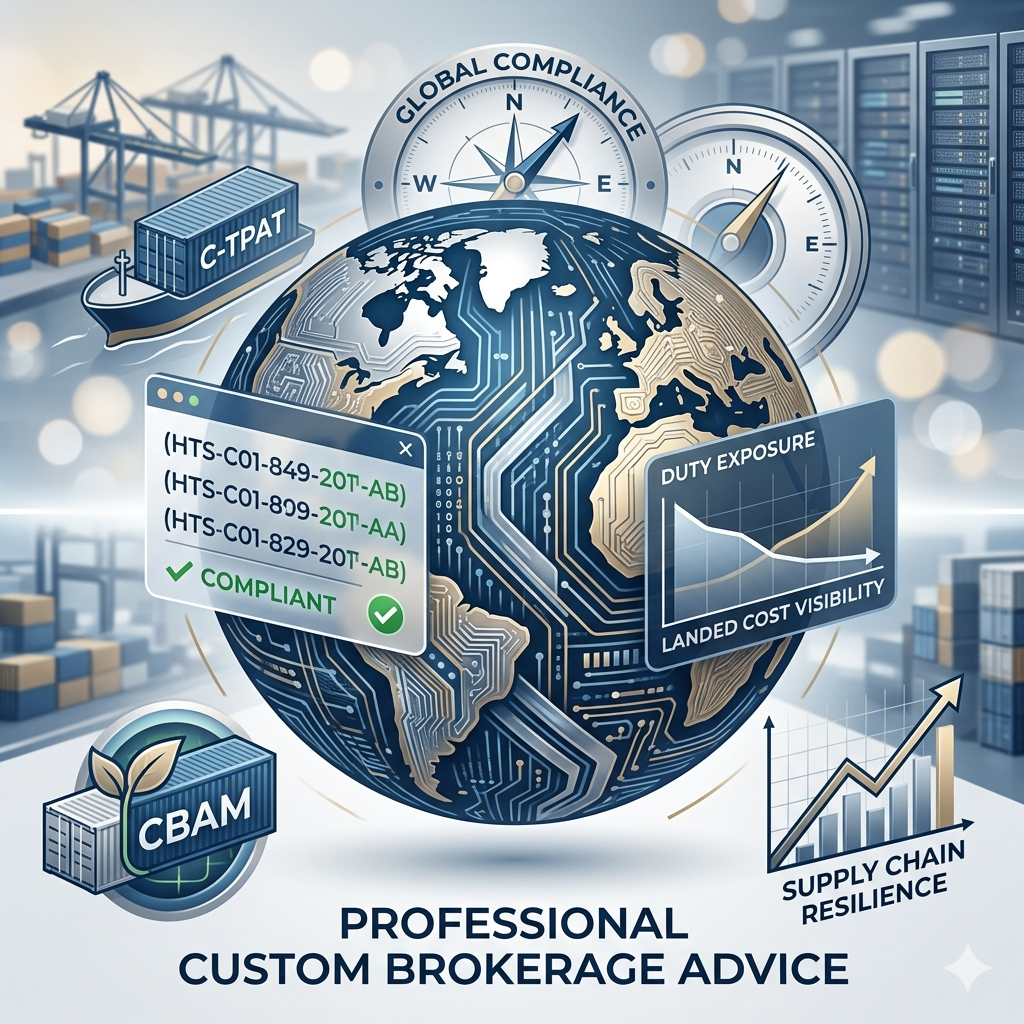
Global trade is a complex, multi-faceted engine that drives the world economy; however, it remains subject to an increasingly intricate web of regulations, tariffs, and geopolitical shifts. As businesses expand their reach across international borders, the necessity for a streamlined, compliant approach to importing and exporting becomes a fundamental pillar of operational success. Central to this process is the specialized field of custom brokerage, a professional service that acts as the vital bridge between commercial entities and national customs authorities. Navigating the labyrinth of international logistics requires more than just logistical coordination; it demands a deep understanding of legal frameworks, tax obligations, and documentation standards.
The role of a customs broker has evolved significantly in the current era. No longer merely an administrative clerk who files paperwork, the modern customs professional is a strategic advisor who helps companies mitigate risk and optimize their supply chain costs. For businesses aiming to scale, the stakes are high. Incorrect classification of goods, missing documentation, or a failure to comply with evolving environmental trade standards can lead to severe financial penalties, significant shipment delays, and even the loss of importing privileges.
The Technical Foundations of Custom Brokerage
To understand the value of these services, one must first grasp the technical definitions and legal responsibilities involved in the field. According to Wikipedia, a customs broker is a licensed individual or firm that assists importers and exporters in meeting federal requirements governing imports and exports. These professionals are experts in tariff schedules and customs laws; they ensure that all goods moving across borders are cleared through the appropriate government agencies in a timely and lawful manner.
The process begins with the classification of goods using the Harmonized System (HS) codes. This numerical method of classifying traded products is used by customs authorities around the world to identify products when assessing duties and taxes and gathering statistics. A minor error in an HS code can lead to overpayment of duties or, conversely, an underpayment that triggers a formal audit. Beyond classification, a professional in custom brokerage must manage the valuation of goods, determining the correct transaction value for tax assessment purposes. This involves accounting for assists, royalties, and packing costs that might not be immediately apparent on a standard commercial invoice.
Furthermore, the legal landscape of international trade is governed by varying domestic laws and international treaties. In the United States, for instance, the Customs and Border Protection (CBP) agency enforces thousands of laws for over forty other government agencies. This includes regulations from the Food and Drug Administration (FDA), the Environmental Protection Agency (EPA), and the Department of Agriculture (USDA). A qualified broker ensures that every shipment complies with these disparate requirements before it ever reaches the port of entry. TerraLinkLogistics.com offers custom brokerage services that specialize in this meticulous oversight, ensuring that technical compliance is treated as a strategic asset rather than a hurdle.
Navigating the 2026 Compliance Landscape
As we move through 2026, the regulatory environment is undergoing a profound transformation. Geopolitical volatility has led to a rise in non-tariff barriers, making it harder for companies to maintain predictable lead times. According to recent reports on Google News, governments are increasingly using trade policy as a tool for environmental and national security goals. The European Union's Carbon Border Adjustment Mechanism (CBAM) is a prime example; it requires importers to report and pay for the carbon emissions embedded in their products. This shift means that customs documentation now includes complex environmental data, requiring a higher level of technical sophistication from brokers.
Compliance is no longer a static checklist; it is a dynamic process of risk management. Businesses must now contend with "near-shoring" and "friend-shoring" strategies that change the country of origin for many components. These changes trigger new rules of origin under various free trade agreements, such as the USMCA. A broker’s ability to navigate these agreements can result in significant duty savings, directly impacting a company's bottom line. Additionally, the rise of digital "Single Window" platforms means that data must be submitted with near-perfect accuracy to avoid automated flags and inspections.
The complexity of these tasks highlights why specialized expertise is indispensable. A professional firm does not just react to these changes; it anticipates them. By staying ahead of legislative shifts and technological updates, a broker allows a business to focus on its core competencies while the "border logic" is handled by experts. This proactive stance is essential for maintaining supply chain resilience in an era where trade wars and sudden tariff spikes are common occurrences.
The Strategic Advantage of Professional Brokerage Services
Beyond the technical filing of documents, there is a clear strategic advantage to partnering with an expert in the field. Leaders in the supply chain sector are increasingly viewing customs management as a competitive differentiator. As noted by Forbes, the ability to accurately predict landed costs and manage duty exposure is critical for maintaining healthy margins. A professional broker provides the visibility needed to make informed sourcing decisions, allowing companies to understand the true cost of their products before they are even manufactured.
Efficiency is another major factor. The time a shipment spends sitting in a port waiting for clearance is lost revenue. A broker streamlines this process by utilizing automated systems and established relationships with port authorities. They can also facilitate specialized programs like the Customs-Trade Partnership Against Terrorism (C-TPAT), which offers expedited processing for companies that demonstrate high standards of supply chain security.
Furthermore, the risk of a customs audit is a constant reality for high-volume importers. A professional firm maintains meticulous records and provides an audit trail that can withstand government scrutiny. If a dispute arises regarding a classification or valuation, the broker acts as a legal advocate for the importer, filing protests and navigating the administrative appeals process. This level of protection is invaluable for safeguarding a brand’s reputation and financial stability.
Modern Trends and Digital Transformation in Customs
The digital revolution is reshaping the very fabric of custom brokerage. Artificial Intelligence (AI) and machine learning are being deployed to automate the classification process and predict potential shipping delays. These technologies allow brokers to analyze vast amounts of data to identify patterns and anomalies that might indicate a compliance risk. For example, AI-assisted tools can cross-reference shipping manifests with historical data to ensure that HS codes remain consistent and accurate across different shipping lanes.
Transparency is also improving through the use of blockchain and integrated data hubs. These systems allow all stakeholders in a supply chain—from the manufacturer to the final carrier—to access a single source of truth for customs data. This reduces the likelihood of clerical errors and speeds up the validation process for customs officials. In 2026, the shift toward "smart" customs is accelerating, with more countries adopting electronic certificates of origin and digital seals for containers.
This technological evolution does not replace the human element; instead, it enhances it. The broker of the future uses these tools to provide deeper insights and more personalized service. They can offer "what-if" scenarios for potential new markets, calculating the impact of various trade agreements and tariff schedules in real-time. This blend of technical mastery and cutting-edge technology is what defines a top-tier brokerage partner.
Conclusion
In the fast-paced world of international commerce, the importance of a robust customs strategy cannot be overstated. From the intricate technicalities of HS code classification to the broad strategic implications of global trade policy, the field of custom brokerage remains the linchpin of a successful supply chain. As we have explored, the challenges of 2026 ranging from environmental regulations to geopolitical shifts—require a level of expertise that goes far beyond basic paperwork.
By choosing a dedicated partner who understands the nuances of the law and the potential of modern technology, businesses can transform their customs department from a cost center into a strategic engine of growth. Whether you are navigating your first international shipment or managing a multi-national logistics network, professional guidance ensures that your goods move across borders with the efficiency and compliance that your business demands.
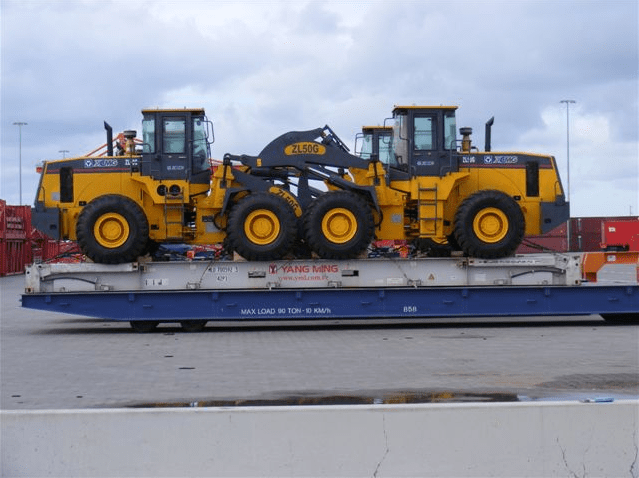
a21logistics.com is an international container shipping service provider for Vanuatu freight shipping logistics cargo LCL FCL.
Find our container services at a21logistics.com.