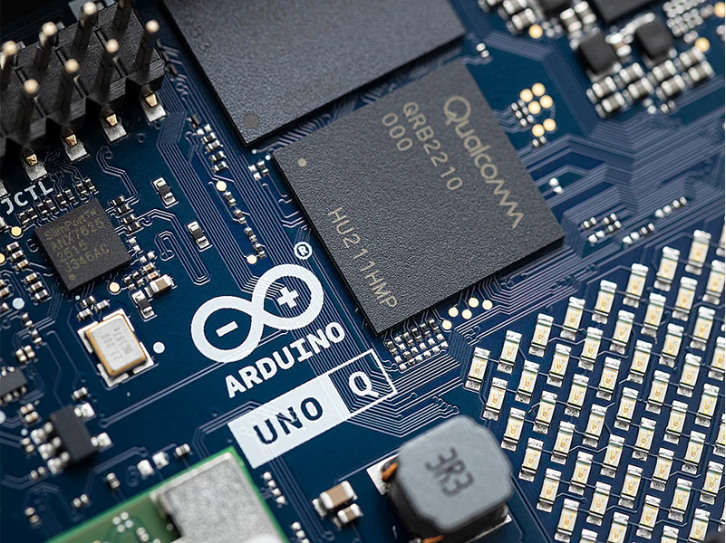
If you are planning to start with electronics, robotics, or DIY tech projects, you have likely come across Arduino boards. Among the most talked about options today are the classic Arduino Uno and the newer Arduino UNO Q. At first glance, they may seem similar because they share the same name and ecosystem. However, once you look deeper, the differences are significant and can directly impact what you can build.
In this guide, you will clearly understand how Arduino Uno and Arduino UNO Q differ, which one is better for your needs, and how to choose the right board without confusion.
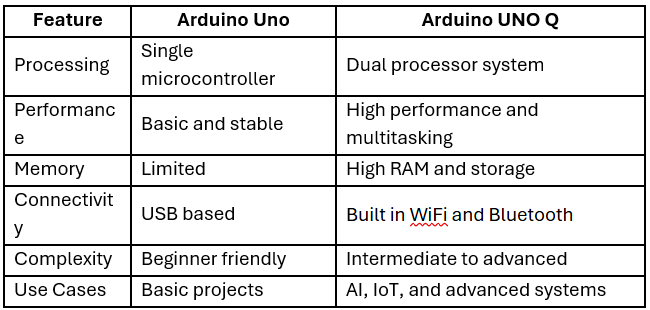
Arduino Uno vs Arduino UNO Q Comparison Table
Understanding Arduino Uno
Arduino Uno has been the starting point for millions of beginners around the world. It is simple, reliable, and designed to help you learn the basics of electronics and programming without feeling overwhelmed.
This board runs on a microcontroller that is built to handle straightforward tasks. You can use it to blink LEDs, control motors, read sensors, and build basic automation systems. The beauty of Arduino Uno lies in its simplicity. It does not try to do too much, which makes it perfect for learning.
If you are someone who is just stepping into the world of coding and hardware, Arduino Uno gives you a clean and distraction free environment to understand how things work.
What is Arduino UNO Q
Arduino UNO Q is a completely different level of hardware, even though it carries the Uno name. It is designed for modern projects that require more power, more speed, and advanced capabilities.
Unlike the traditional Uno, the UNO Q comes with a dual processor system. This means it has one processor that works like a normal microcontroller and another that behaves more like a mini computer. Because of this, it can handle tasks that were never possible on the classic Uno.
You can run Linux based systems, work with artificial intelligence models, process images, and build smart connected devices using this board. It opens the door to projects that go beyond basic electronics and move into real world applications.
Core Difference in Processing Power
The biggest difference between Arduino Uno and Arduino UNO Q lies in their processing capabilities.
Arduino Uno uses a single microcontroller that is perfect for simple tasks. It executes instructions one at a time and focuses on stability rather than performance.
Arduino UNO Q, on the other hand, combines a high performance processor with a microcontroller. This allows it to multitask and handle complex computations. For example, you can process camera data while also controlling sensors and motors at the same time.
This difference alone changes the type of projects you can build.
Memory and Storage Comparison
Memory plays a crucial role when working on advanced projects.
Arduino Uno has very limited memory. It is enough for small programs, but you will quickly hit limits if you try to build something complex.
Arduino UNO Q offers significantly higher RAM and built in storage. This means you can run larger programs, store data, and even install operating systems. It is designed for projects where data handling is important.
If your project involves logging data, running scripts, or handling multiple inputs, UNO Q becomes a clear winner.
Connectivity and Modern Features
Connectivity is another area where the difference becomes very noticeable.
Arduino Uno supports basic connectivity through USB and can be extended using additional modules. However, it does not have built in wireless features.
Arduino UNO Q comes with built in WiFi and Bluetooth. This makes it ideal for Internet of Things projects. You can connect it directly to the internet, control devices remotely, and build smart systems without needing extra hardware.
This makes UNO Q much more suitable for modern applications.
Ease of Use and Learning Curve
Arduino Uno is beginner friendly. You can start using it within minutes, and the learning curve is smooth. There are thousands of tutorials available, making it easy to solve problems.
Arduino UNO Q, while powerful, is more complex. Since it can run advanced systems like Linux, it requires some understanding of programming beyond basic Arduino sketches. Beginners can still use it, but they may need more time to feel comfortable.
If your goal is learning fundamentals, Uno is easier. If your goal is building advanced projects, UNO Q is worth the effort.
Use Cases and Applications
The type of projects you want to build should guide your choice.
Arduino Uno is ideal for basic electronics projects such as LED circuits, temperature monitoring, simple robotics, and automation tasks.
Arduino UNO Q is built for advanced use cases like AI based systems, smart home devices, robotics with vision, and connected IoT applications. It is designed for creators who want to push boundaries.
Which One Should You Choose
Choosing between Arduino Uno and Arduino UNO Q depends on what you want to achieve.
If you are just starting out and want to understand how electronics and coding work together, Arduino Uno is the perfect choice. It keeps things simple and helps you build a strong foundation.
If you already have some experience or want to build powerful projects like smart devices, connected systems, or AI based applications, Arduino UNO Q gives you the tools to do more without limitations.
Final Thoughts
Arduino Uno and Arduino UNO Q are not competitors. They are built for different stages of your journey.
Arduino Uno teaches you the basics. Arduino UNO Q helps you apply those basics to real world innovation.
Understanding this difference makes it easier to choose the right board and avoid unnecessary confusion. Whether you are a beginner or an advanced creator, both boards have their own place in your learning and building process.
Start simple if you are new.
Visit our website to know more about Arduino Uno Q: https://www.pakronics.com.au/products/arduino-uno-q-4g-ard-abx00173
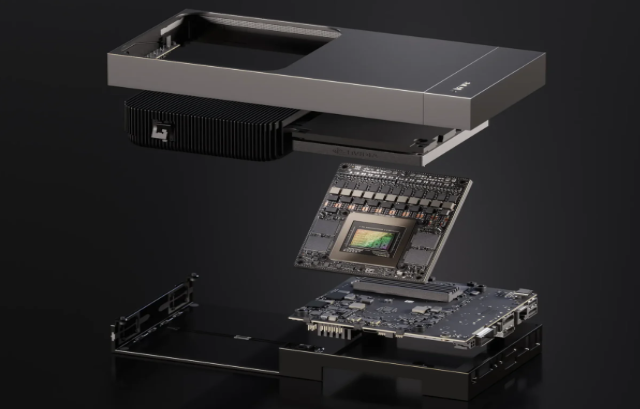
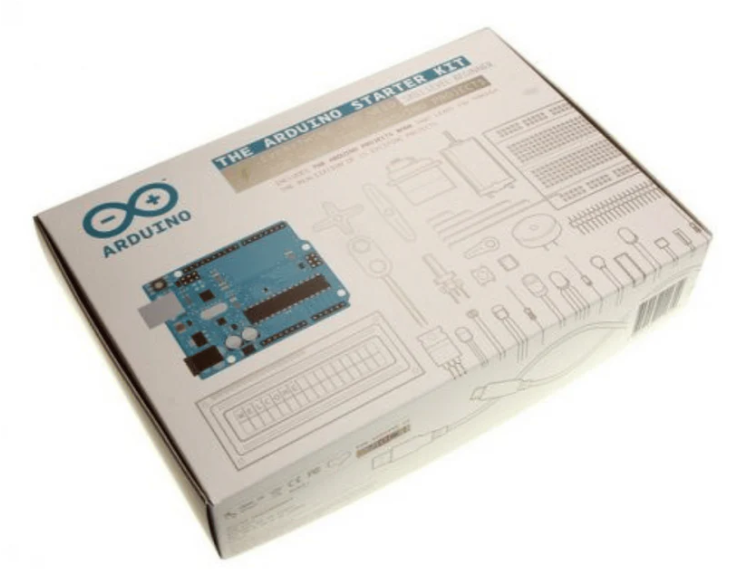

Arduino Uno Transparent Clear Computer Box This is an elegant and innovative protective case designed specifically for the Arduino Uno.
The case is a two-piece injection-moulded ABS enclosure that snaps together around the Arduino.