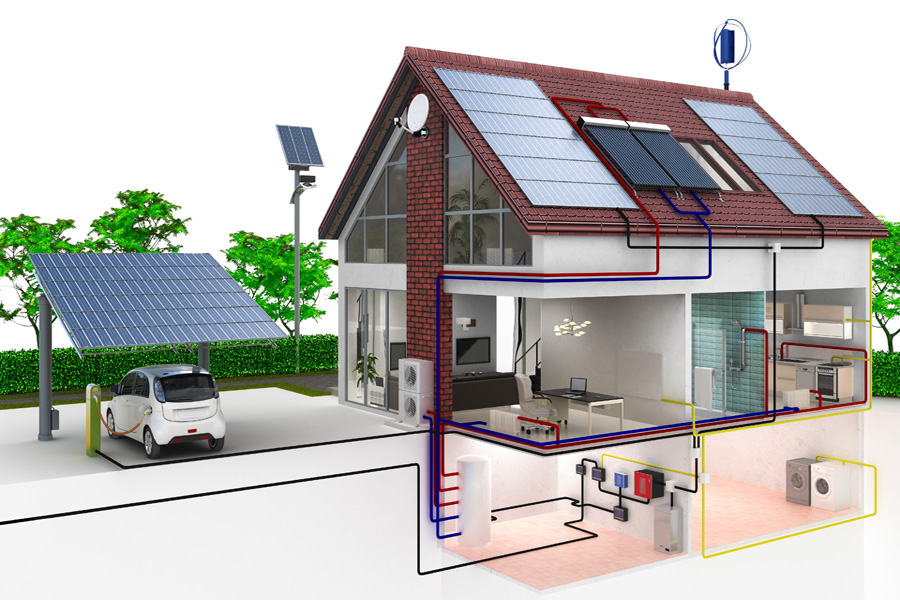


The construction sector is at a crossroads. With buildings accounting for nearly 40% of global energy-related CO2 emissions, the industry is no longer just looking for "green" labels it’s looking for radical decarbonization. Enter the Passive House (PH) standard: a rigorous, data-driven methodology that doesn't just reduce energy use; it virtually eliminates the need for active heating and cooling.
As we pivot toward a Net-Zero future, the synergy between Passive House principles, Building Information Modeling (BIM), and Prefabrication is emerging as the AEC industry’s most potent weapon against climate change.
1. Beyond Efficiency: The Physics of Radical Decarbonization
The Passive House standard is governed by five core principles: continuous insulation, thermal bridge-free design, airtight envelopes, high-performance glazing, and Mechanical Ventilation with Heat Recovery (MVHR).
Recent industry data suggests that a certified Passive House can reduce heating and cooling energy demand by up to 90% compared to conventional builds. While traditional structures lose roughly 25% to 40% of their energy through uncontrolled air leakage, PH designs maintain an airtightness level below 0.6 ACH. This isn't just an incremental improvement; it is a fundamental shift in how we conceptualize the building envelope as a thermal battery.
2. The BIM-Prefab Synergy: Ensuring Performance Certainty
The biggest challenge in high-performance building has historically been the "performance gap"—the discrepancy between design intent and actual site execution. Digital transformation is closing this gap.
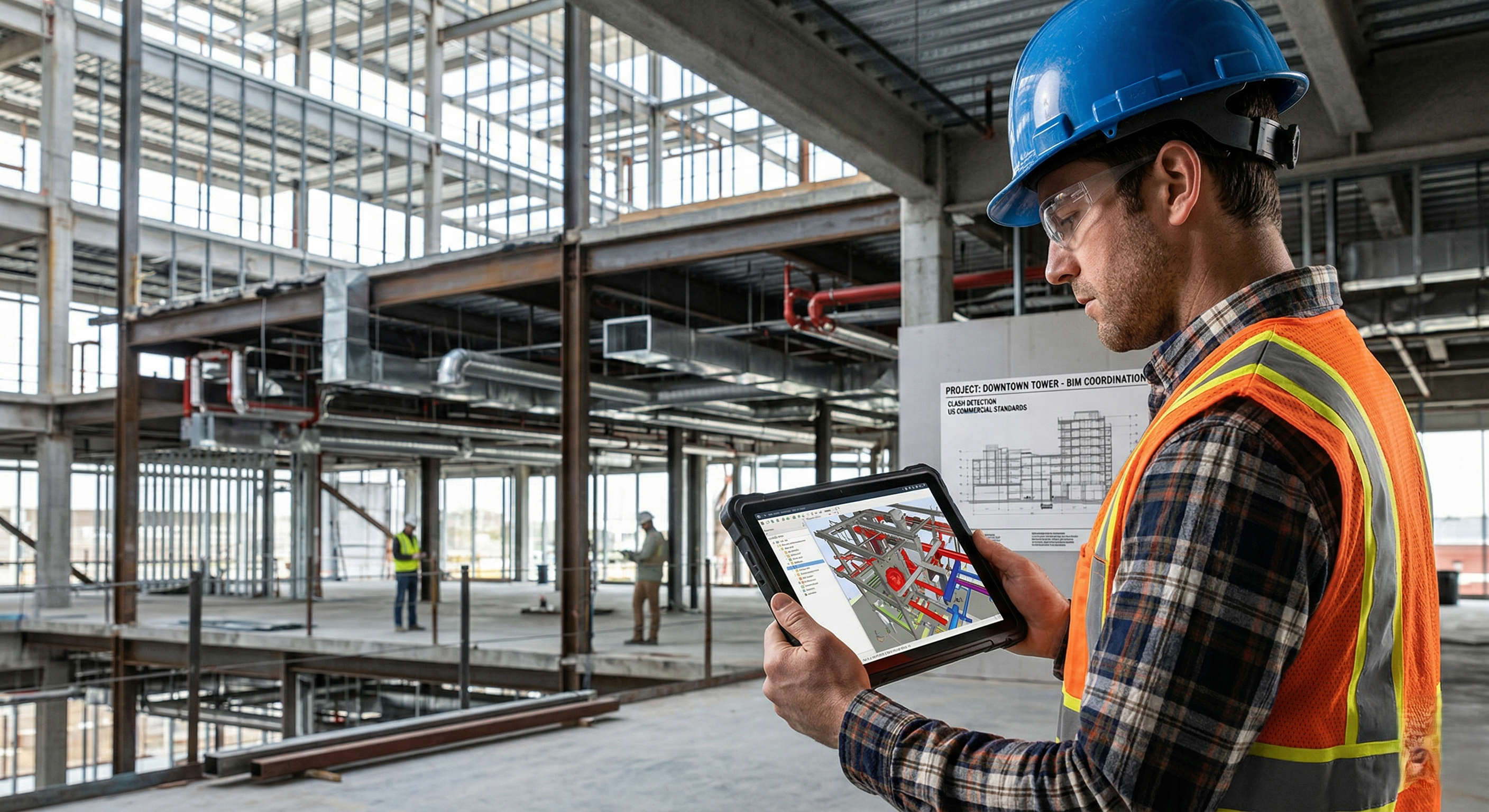
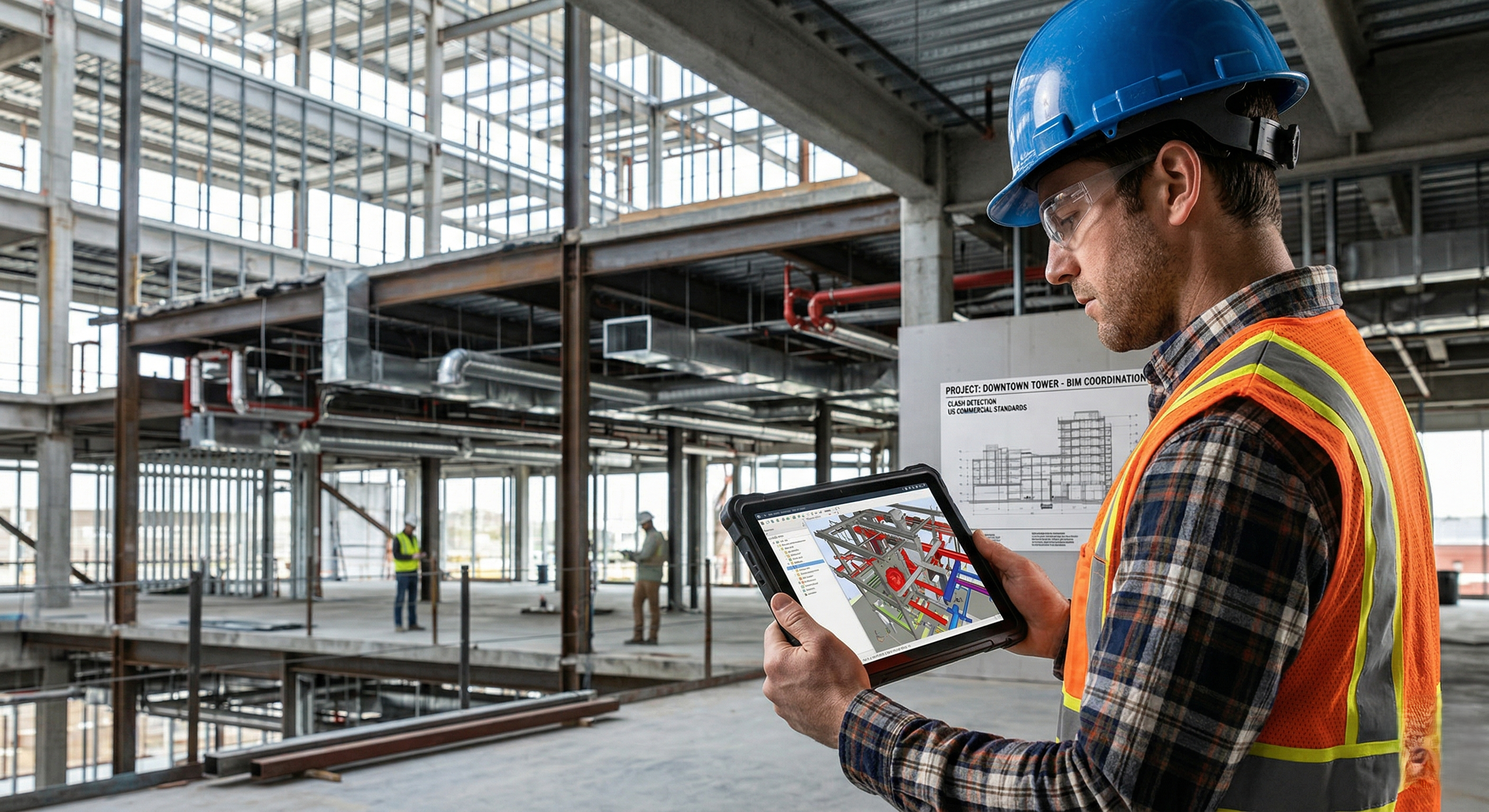
•BIM Integration: By utilizing BIM for 4D and 5D simulations, engineering teams can conduct real-time thermal analysis using tools like the Passive House Planning Package (PHPP). This allows for the identification of thermal bridges at the digital twin stage, long before a single brick is laid.
•Prefabrication Precision: Moving construction off-site into factory-controlled environments allows for a 30% reduction in material waste and a 40% increase in delivery speed. In a factory, airtight seals and insulation continuity are achieved with a level of precision (within millimeters) that is virtually impossible in the unpredictable conditions of a traditional construction site.
3. Economic Resilience and Market Dynamics
The global Passive House market is projected to grow from USD 8.2 billion in 2024 to USD 12.5 billion by 2033, reflecting a CAGR of 8.5%. While critics often point to a 5% to 10% construction cost premium, the ROI narrative is changing.
With global energy prices remaining volatile, the 60% to 90% reduction in annual utility costs offers a payback period of 7–12 years. Furthermore, Passive House structures are increasingly seen as "future-proofed" assets, meeting or exceeding upcoming stringent ESG (Environmental, Social, and Governance) regulations and avoiding the risk of "stranded assets" as carbon taxes increase.
Actionable Takeaways for AEC Professionals
•For Architects: Prioritize building orientation and "compactness ratio" early in the schematic design to minimize envelope surface area and heat loss.
•For Engineers: Integrate MVHR systems into BIM models early to ensure clash-free coordination with structural elements, preserving the integrity of the airtight layer.
•For Developers: Market the "Health & Wellness" ROI—Passive House standards reduce indoor particulate matter by 40%, providing a tangible value proposition for health-conscious tenants.
Learn more- https://www.bimservicesindia.com/blog/prefab-and-bim-for-sustainability-the-rise-of-passive-house-design/

Due to the coronavirus lockdown, we all are living in our homes and in this situation, we can feel the world is becoming quieter.
Due to this lockdown entire world is experiencing some changes around them, in their daily routine and the need to stop travel for the sake of human health.
From cancellation of the vacation trip to wash your hands strictly or having work from home, without a doubt it affects our daily life, in fact, our carbon footprints.
Read More at : https://www.appsinvo.com/blog/how-the-coronavirus-outbreak-benefits-climate-change/Follow Us onAppsinvo | Behance | Facebook | Instagram | Linkedin | Dribbble | Twitter | Tumblr | Pinterest | Flickr