The global energy landscape is currently undergoing a profound structural shift. For decades, commercial building owners viewed electricity as a fixed, unavoidable utility cost — a line item on a balance sheet that fluctuated only with seasonal usage. However, as the grid becomes more decentralized and utility pricing models grow increasingly complex, the “passive” consumption of energy has become a financial liability. The modern commercial facility is no longer just a consumer of power; it is an active participant in the energy market. The primary tool enabling this transition is the Commercial Battery Energy Storage System (BESS).
The economic case for installing energy storage in commercial buildings is no longer built solely on environmental altruism or “green” branding. Instead, it is rooted in rigorous fiscal logic: the mitigation of peak demand charges, the optimization of time-of-use (TOU) rates, and the creation of new revenue streams through grid services. For property managers, real estate investment trusts (REITs), and corporate facility directors, understanding the Return on Investment (ROI) of energy storage is essential for maintaining a competitive edge in a high-inflation, high-cost energy environment.
I. The Anatomy of the Commercial Electric Bill
To understand the economics of storage, one must first deconstruct the commercial utility bill. Unlike residential customers, who are primarily billed for the total amount of energy (kWh) they consume, commercial entities are subject to “Demand Charges.” These charges are based on the single highest 15-minute window of electricity usage during a billing cycle.
In many jurisdictions, demand charges can account for 30% to 70% of a total monthly bill. A commercial building might have a relatively low average consumption, but if a heavy piece of machinery, a large HVAC system, or an array of high-speed vehicle chargers kicks in simultaneously, the resulting “spike” sets the price for the entire month. This is where energy storage provides its most immediate financial defense.
II. Peak Demand Management: The Art of “Peak Shaving”
The primary economic driver for BESS is “Peak Shaving.” This involves discharging the stored battery power during periods of highest demand to artificially lower the building’s draw from the utility grid.
Imagine a mid-sized office building that experiences a sharp peak in electricity usage at 2:00 PM as the cooling system works to combat the afternoon sun. Without storage, the utility meter records this spike and bills the owner at a premium rate. With an integrated energy storage system, the battery detects the rising load and begins to discharge. To the utility provider, the building’s demand appears flat and manageable.
By maintaining the grid draw below a pre-set threshold, the building owner can save thousands of dollars per month in demand charges. This “shaved” peak directly impacts the bottom line without requiring any changes to the building’s operational comfort or productivity.
III. Time-of-Use Optimization and Energy Arbitrage
Utility companies increasingly use Time-of-Use (TOU) pricing to manage grid stress. Electricity is significantly more expensive during “peak” evening hours and cheaper during “off-peak” late-night or early-morning hours.
Energy storage allows for “Energy Arbitrage” — the practice of buying low and using high. The BESS charges itself when electricity prices are at their lowest (often at night or when on-site solar production is at its peak) and then powers the building during the expensive peak windows. This price spread creates a consistent, daily cost-saving mechanism. When combined with on-site renewable energy like solar PV, the economic case becomes even stronger, as the storage system prevents “curtailment” — the loss of excess solar energy that cannot be used immediately or sold back to the grid at a fair price.
IV. The Infrastructure Multiplier: EV Charging and Load Buffering
As corporate fleets and employee bases transition to electric vehicles, commercial buildings face a new infrastructure challenge. A high-speed DC fast charger can draw a massive amount of power instantaneously. If a property owner wants to install multiple charging ports, they are often faced with a choice: pay for a multi-million dollar utility transformer upgrade or find a way to manage the load.
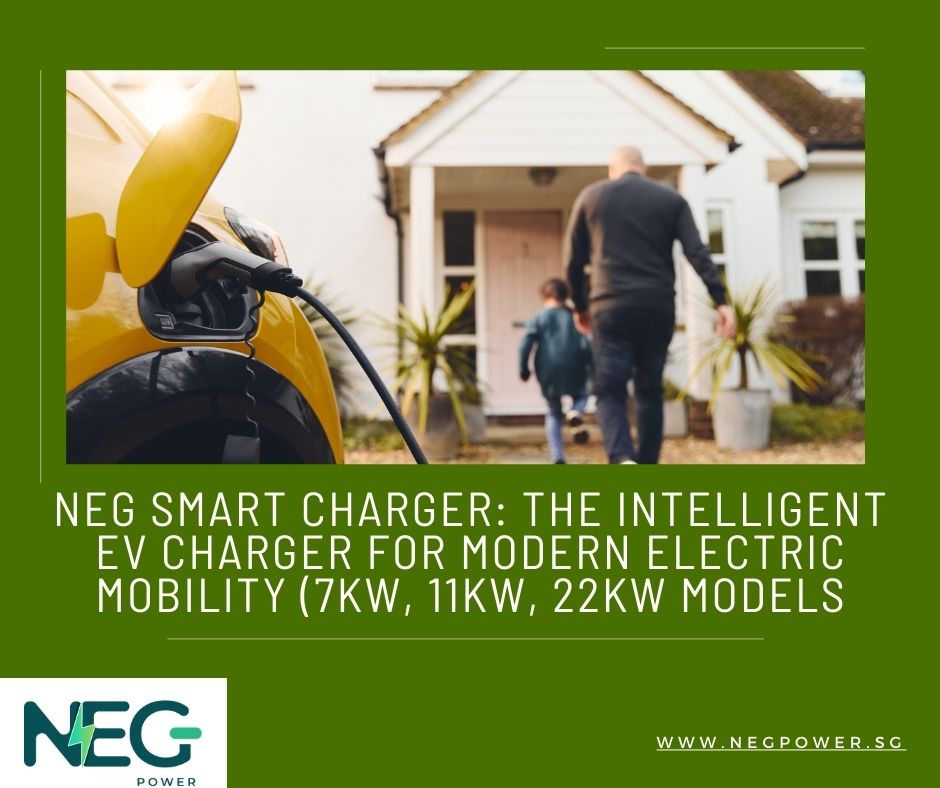
This is where the role of the EV Charger Installer Singapore becomes intertwined with energy storage. A sophisticated installer will often recommend an integrated battery solution to act as a “buffer.” Instead of the chargers pulling directly from the grid and triggering massive demand spikes, they pull from the energy storage system. This allows the building to support high-speed charging without upgrading the local grid connection, significantly reducing the capital expenditure of the EV project while keeping operational electricity costs low.
V. ROI Considerations: Beyond Simple Payback
When analyzing the ROI of a commercial BESS, owners must look at the “stacked benefits” of the system. A simple payback period (Total Cost / Annual Savings) often fails to capture the full economic value. A comprehensive ROI analysis includes:
1. Resilience and Avoiding Business Interruption
Grid instability is a growing concern. For data centers, healthcare facilities, or manufacturing plants, a power outage is not just an inconvenience; it is a financial catastrophe. Energy storage provides “seamless” backup power. The value of avoiding a single four-hour production shutdown can sometimes pay for a significant portion of the BESS installation cost.
2. Participation in Demand Response Programs
Many utility providers now offer “Demand Response” incentives. They will pay commercial building owners to reduce their grid draw during times of extreme regional stress. With a BESS, a building can participate in these programs without actually turning off its lights or AC. The battery takes the load, and the utility sends a check to the building owner.
3. Accelerated Depreciation and Tax Incentives
In many regions, energy storage systems qualify for significant tax credits (such as the Investment Tax Credit in the United States) and accelerated depreciation schedules. These incentives can effectively reduce the “sticker price” of the system by 30% to 50%, dramatically shortening the time to positive ROI.
VI. Maintenance and Longevity in the Economic Model
A common concern for commercial owners is the degradation of the battery over time. However, modern Lithium Iron Phosphate (LFP) or solid-state batteries are now rated for thousands of cycles with minimal loss in capacity.
A well-maintained BESS, managed by AI-driven software, can remain operationally viable for 10 to 15 years. The economic model must account for “capacity fade” but should also balance this against the rising cost of grid electricity. If utility rates continue to climb at an average of 3% to 5% annually, the “avoided cost” provided by the battery actually becomes more valuable every year the system is in operation.
VII. Conclusion: The Strategic Imperative
The economic case for energy storage in commercial buildings is a story of risk mitigation and financial optimization. By installing a BESS, a property owner is effectively “locking in” a portion of their energy costs and insulating themselves from the volatility of the utility market.
From the immediate savings of peak shaving to the long-term benefits of grid resilience and the facilitation of EV infrastructure through a certified EV Charger Installer Singapore, energy storage is the foundational technology of the modern commercial asset. As building codes and ESG (Environmental, Social, and Governance) mandates become more stringent, those who invest in storage today are not just saving money; they are future-proofing their properties against an increasingly unpredictable energy future.
Pop over here : https://www.negpower.sg/
If you like to leave the apartment with full battery, consider getting in touch with an EV charger installer.
If you’re looking to install a EV charger at the apartment or your business, the type of charger you install may vary.
The electrical contractors at Go Electrical can help you choose.