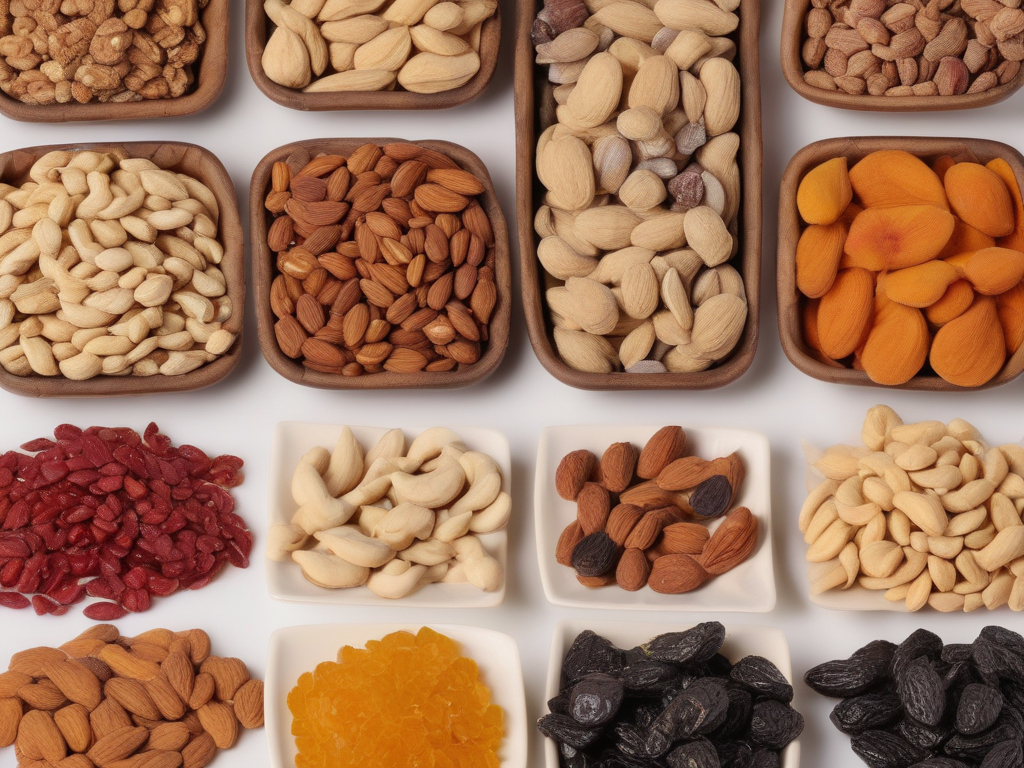
The health benefits of fresh dry fruits extend far beyond simple snacking. Dried fruits have been dehydrated to remove most of their moisture content, creating nutrient-dense foods packed with essential vitamins, minerals, and antioxidants that support overall health. Particularly beneficial for managing specific health conditions, certain dry fruits offer low glycemic options suitable for people with diabetes. Additionally, varieties such as apricots, prunes, and figs are valuable for weight loss due to their low calorie and high fiber content.
In this guide, I'll walk you through the comprehensive health benefits of dry fruits and nuts, including their role in disease management, daily health support, and practical recommendations for incorporating them into your diet for maximum benefit.
What Makes Dry Fruits Nutritionally Powerful
Dried fruits pack significantly more nutrients per gram than their fresh counterparts. By weight, dried fruit contains up to 3.5 times the fiber, vitamins and minerals of fresh fruit. This concentration occurs because the drying process removes water while leaving most nutrients intact, creating nutrient-dense foods that deliver substantial health benefits in smaller portions.
Essential Vitamins and Minerals
Dried fruits and nuts provide exceptional amounts of essential micronutrients. Consumers of dried fruit had significantly higher intakes of vitamins A, C, E, thiamin, riboflavin, niacin, and folate compared to non-consumers. Vitamin B12 was the only vitamin that wasn't higher among dried fruit consumers.
if you want to learn more health benefits then please visit Zupyak.com
The mineral profile stands out equally. Those who regularly ate dried fruits consumed significantly higher amounts of calcium, phosphorus, magnesium, iron, zinc, copper, and potassium while taking in significantly lower amounts of sodium. Specific examples include dried apricots providing 755 mg of potassium per half-cup serving, while prunes deliver 52 mcg of vitamin K. Dates rank among the richest sources of antioxidants among all dried fruits.
Healthy Fats and Protein Content
Nuts deliver substantial protein alongside heart-healthy fats. Protein content varies considerably by type:
- Peanuts: 26g per 100g
- Almonds: 21g per 100g
- Pistachios: 20g per 100g
- Cashews: 18g per 100g
- Walnuts: 15g per 100g
Nuts contain primarily monounsaturated and polyunsaturated fatty acids rather than saturated fats. Walnuts distinguish themselves as one of the few plant foods rich in omega-3 alpha-linolenic acid, with a 30g handful providing 1.9g. This omega-3 content works synergistically with polyphenols to reduce inflammation.
Fiber and Antioxidant Properties
Fiber content in dried fruits ranges from 3.7 to 9.8 g per 100g. Figs lead with 10g of fiber per 100g, followed by dried apricots at 8.1g and prunes at 5.2g. Consuming just 20 to 30g of dried fruits daily provides 10 to 16% of the recommended daily fiber intake.
Dried fruits contain numerous bioactive compounds including phenolics, flavonoids, carotenoids, proanthocyanidins, and phytoestrogens. Studies have reported that bioactive compounds and antioxidant activities in dried fruits are higher than those in their fresh counterparts. This happens because these compounds become concentrated during the drying process.
Health Benefits of Dry Fruits and Nuts for Disease Management
Several chronic conditions respond positively to regular consumption of specific dry fruits and nuts, with research demonstrating measurable improvements in key health markers.
Managing Blood Sugar and Diabetes
Almonds stand out for diabetes management. Their low carbohydrate and high fiber content work together to moderate blood sugar levels, minimizing sudden spikes. Studies show almonds can help improve blood sugar levels by slowing the stomach's emptying speed and lowering a meal's glycemic index. Walnuts similarly benefit diabetics through their omega-3 fatty acids, which help reduce inflammation and enhance cardiovascular health.
Pistachios deliver protein and fiber that help manage blood sugar levels, with protein regulating insulin levels by slowing carbohydrate absorption. Prunes and figs also support blood sugar control through their high fiber content, which slows glucose absorption into the bloodstream. A handful of mixed nuts (about 1 ounce) per day fits well within a balanced diabetic diet.
Supporting Weight Loss Goals
Almonds produce remarkable weight loss results. One study of 65 overweight individuals found that those on an almond-enriched low-calorie diet achieved a 62% greater reduction in weight and BMI, 50% greater reduction in waist circumference, and 56% greater reduction in fat mass compared to those on a standard diet. Similarly, a nine-month Australian study showed participants lost an average of 15 pounds (7 kg) in three months on an almond-enriched diet.
The satiety effect explains much of this success. High fiber content in dry fruits helps you feel fuller for longer periods, reducing overall calorie intake. Walnuts contain L-arginine, an amino acid that increases body metabolism and prevents unhealthy fat accumulation.
Lowering Cholesterol Levels
Walnuts demonstrate consistent cholesterol-lowering effects. A 2004 study of 58 adults with diabetes found that eating a handful of walnuts daily resulted in a 10% drop in bad LDL cholesterol levels. Meta-analyzes show almonds reduce LDL cholesterol by 0.15 to 0.18 mmol/L. Pistachios significantly reduce total cholesterol, LDL cholesterol, and triglycerides.
Controlling Blood Pressure
Multiple dry fruits support blood pressure management through their mineral content. Almonds provide magnesium, which relaxes blood vessels and may support lower blood pressure. Research from the American Journal of Clinical Nutrition indicates regular walnut consumption can lower blood pressure and improve cardiovascular function. Raisins eaten three times daily can significantly lower blood pressure, particularly in prehypertensive individuals.
How Dry Fruits Support Your Daily Health
Beyond managing specific conditions, the health benefits of dry fruits and nuts extend into supporting your body's daily functions across multiple systems.
Improving Digestion
Prunes lead among dried fruits for digestive health. Their combined fiber and sorbitol content works synergistically to promote regular bowel movements. Studies show that consuming 90 grams of dried fruit daily led to significant increases in complete bowel movements. Prunes specifically increase beneficial Bifidobacteria in gut microbiota composition. Dates, figs, and raisins similarly support digestive regularity through their prebiotic properties, feeding beneficial gut bacteria like Lactobacillus.
Boosting Brain Function
Walnuts improve memory and cognitive performance across all age groups. The UCLA Longevity Center found walnut eaters scored significantly higher on cognitive tests, including memory, concentration, and information processing speed. Almonds provide 171% of the recommended daily allowance of Vitamin E per 100g, which slows functional decline in cognitive health. Cashews deliver 53% of daily zinc per 100g, concentrated in the brain's hippocampus where memory and learning occur. Studies on older adults consuming 60 grams of mixed nuts daily showed 16% improvement in verbal memory tasks.
Increasing Energy Levels
Dates provide glucose that your body converts quickly into energy without causing sugar crashes. Almonds deliver slow-burning energy through their protein, healthy fats, and fiber combination. Raisins contain iron and potassium that maintain blood sugar balance while providing instant energy when levels dip. Regular consumption stabilizes metabolism and reduces dependence on caffeine.
Strengthening Heart Health
Eating nuts five or more times per week reduces cardiovascular disease risk by 19% and coronary heart disease mortality by 27%. Each 28-gram increase in daily nut consumption associates with a 6% lower CVD risk. Walnuts consumed for two years reduced 6 out of 10 inflammatory biomarkers examined.
Choosing the Right Dry Fruits for Your Needs
Matching dry fruits to your specific health needs maximizes their benefits while keeping portions appropriate for your goals.
Best Dry Fruits for Specific Health Goals
For diabetes management, almonds work best when consumed after meals to control insulin levels. Pistachios lower fasting blood sugar with regular consumption, while cashews help regulate glucose levels through their anti-diabetic properties. Peanuts provide low glycemic index support with high protein content.
Weight loss responds well to almonds (160 calories per 28g), walnuts for appetite regulation, and pistachios as low-calorie snacks at 160 calories per serving. Figs and prunes offer high fiber with fewer calories.
Recommended Serving Sizes
A small handful of 20-30 grams per day provides sufficient nutrition without excess calories. Specific amounts include 4-7 almonds, 2-3 walnut halves, 4-5 cashews, and 20-30 pistachios. Raisins fit at 1-2 tablespoons, while 1-2 dates provide adequate energy.
For weight gain, increase to 60-120 grams daily. Weight loss requires stricter control at 30-40 grams.
When and How to Eat Dry Fruits
Morning consumption on an empty stomach provides instant energy and kickstarts metabolism. Soaking almonds, walnuts, and figs overnight removes tannins and phytic acid, improving nutrient absorption. This makes them easier to digest.
Avoid late-night intake as your body burns fewer calories during rest. Pair dry fruits with protein or fiber-rich foods to slow sugar absorption.
Conclusion
Dry fruits deliver exceptional nutritional value in compact servings. A small handful daily provides concentrated vitamins, minerals, fiber, and antioxidants that support heart health, blood sugar management, weight control, and brain function. The key lies in choosing the right varieties for your specific needs and sticking to recommended portions of 20-30 grams. Start your mornings with soaked nuts or add dried fruits to your meals for maximum absorption and lasting health benefits. You can also explore our complete collection at Dry Fruits Mart for fresh almonds, walnuts, cashews and more delivered across Pakistan.
FAQs
Q1. Which dry fruits are best to include in your daily diet?
Almonds, walnuts, cashews, and pistachios are excellent choices for daily consumption. Almonds improve brain function and skin health, walnuts promote heart and brain health, cashews provide iron and energy-boosting nutrients, and pistachios support digestion and cardiovascular health. A small handful of 20-30 grams per day is recommended for optimal benefits.
Q2. What are the potential side effects of eating too many dry fruits?
Consuming excessive amounts of dry fruits can lead to weight gain due to their calorie density, digestive issues like bloating, and increased body heat. Sugar-coated varieties may also cause blood sugar spikes. It's important to stick to recommended serving sizes of 20-30 grams daily to avoid these issues.
Q3. Can people with prediabetes safely eat dried fruits?
Yes, people with prediabetes can enjoy dried fruits in moderation. Since the sugars in dried fruits are more concentrated than in fresh fruit, portion control is essential. A small handful (about one tablespoon) is appropriate. Almonds, pistachios, and cashews are particularly beneficial as they help regulate blood sugar levels through their fiber and protein content.
Q4. What makes dry fruits more nutritious than fresh fruits?
Dried fruits contain up to 3.5 times more fiber, vitamins, and minerals per gram compared to fresh fruits. The drying process removes water while concentrating most nutrients, creating nutrient-dense foods. They also have higher levels of bioactive compounds and antioxidants than their fresh counterparts.
Q5. When is the best time to eat dry fruits for maximum health benefits?
Morning consumption on an empty stomach is ideal as it provides instant energy and kickstarts metabolism. Soaking nuts like almonds, walnuts, and figs overnight improves nutrient absorption and makes them easier to digest. Avoid eating dry fruits late at night when your body burns fewer calories during rest.