Amid the vibrant chaos of India’s urban hubs and the serene rhythms of its rural landscapes, a subtle yet profound transformation is taking place in women’s daily lives. Increasingly, women across the nation are opting for innovative menstrual solutions that prioritize ease and environmental responsibility, moving away from conventional disposables toward reusable options that offer reliable protection.
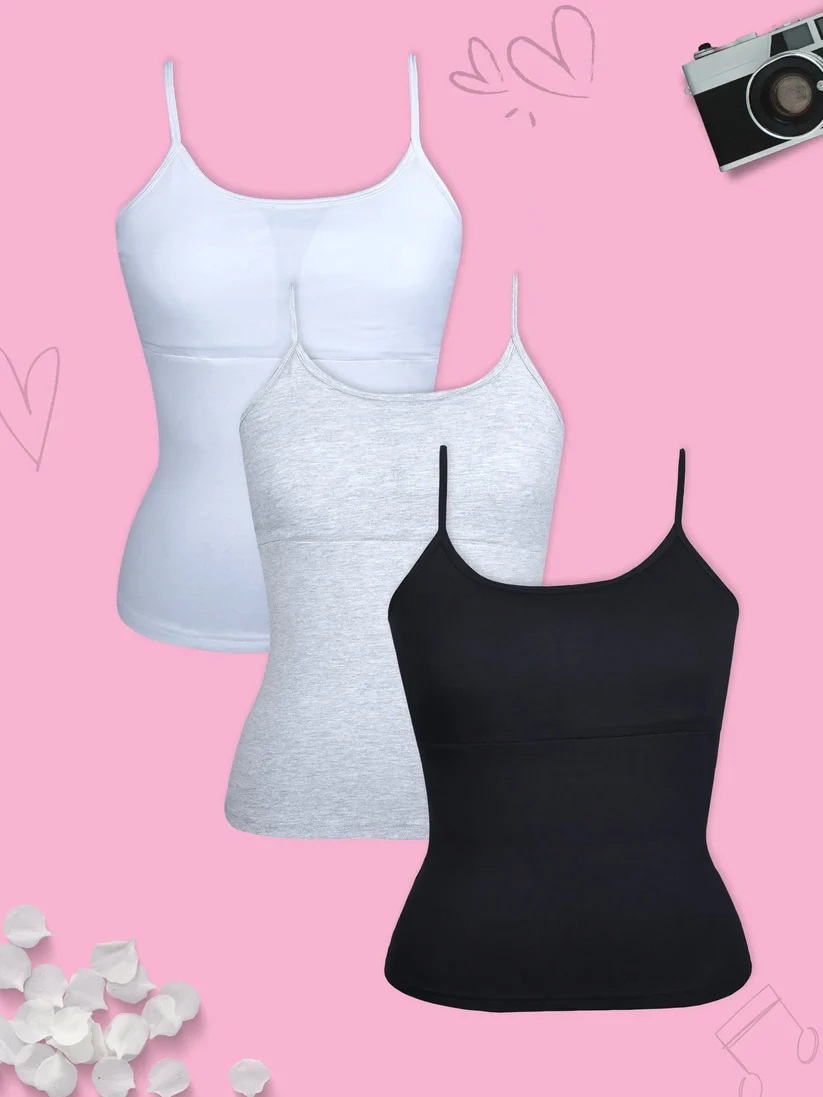
Finding the right intimate wear can be tough, especially when bras pinch, slip, or don’t provide enough support during school or play. Whether you’re a teen girl or a young woman, we understand the frustration. That’s why DChica created India’s first teen-focused innerwear collection breathable cotton designs with adjustable straps, high coverage, and leakproof period panties. Our bras, camisoles, period panties, and shapewear offer the perfect balance of comfort and support. Celebrate your growth and confidence every day at DChica. Shop now!
The Shifting Landscape of Menstrual Hygiene
Menstrual management in India has long been dominated by single-use sanitary pads or traditional cloth methods, frequently handled with discretion due to societal norms. However, a surge in awareness is reshaping this narrative, bolstered by key government programs such as the Menstrual Hygiene Scheme under the National Health Mission, which targets adolescent girls aged 10–19 with education and affordable products. Complementing these efforts are initiatives from NGOs like Pinkishe Foundation, which focus on distributing hygiene supplies and conducting community workshops to demystify menstruation.
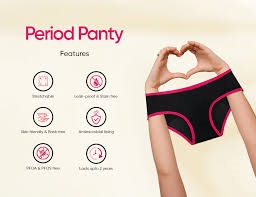
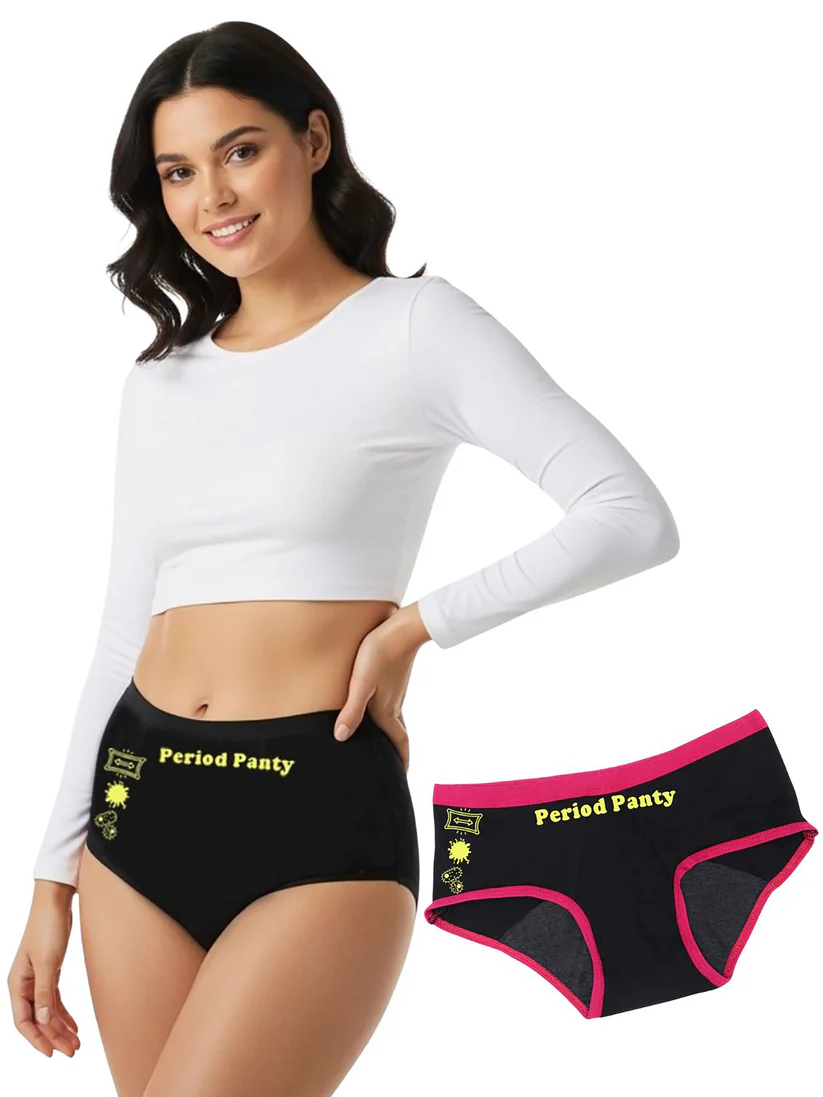
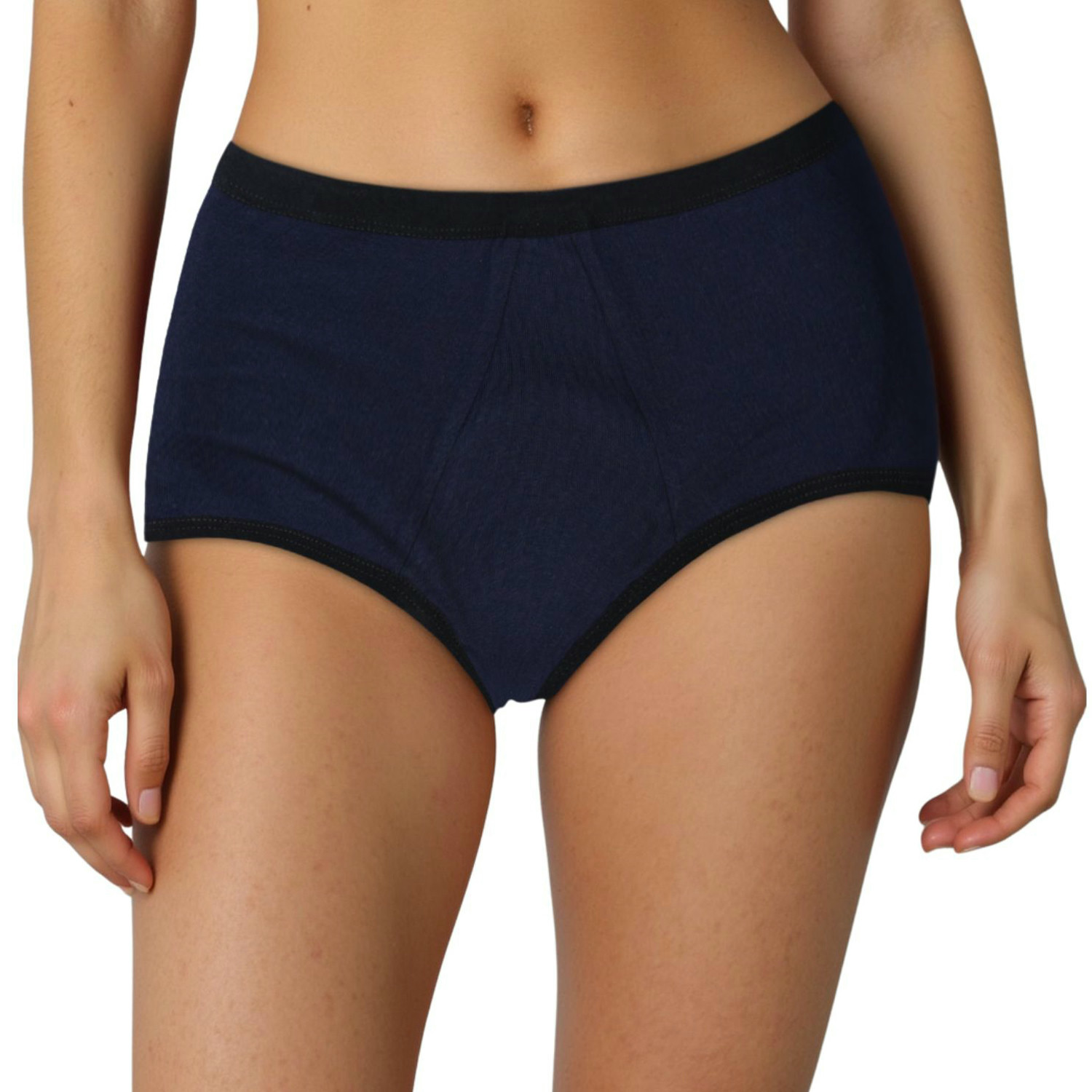
This momentum has paved the way for advanced alternatives, including period underwear specialized undergarments featuring integrated absorbent cores, waterproof linings, and anti-stain features. These items serve as cost-effective, sustainable substitutes for throwaway hygiene products, fueling market expansion. On a worldwide scale, the period panties market achieved a valuation of about USD 154.47 million in 2025, with projections indicating a 15.20% compound annual growth rate from 2026 to 2035, culminating in roughly USD 635.87 million by the end of that period. Notably, India’s segment is accelerating faster, boasting a 16.4% CAGR over the same timeframe, surpassing regional averages like North America’s 15.5%.
Domestically, the broader feminine hygiene sector is valued at USD 1.56 billion as of 2025, anticipated to expand to USD 3.15 billion by 2030 at a 15.1% CAGR. Reusables, including period panties, are increasingly popular, propelled by state-sponsored subsidies, the proliferation of online shopping avenues, and a shifting consumer base that views menstrual wellness as integral to holistic health. Enhanced education rates and women’s growing presence in the labor force are instrumental in fostering wider uptake of these items.
Key Trends Propelling the Sector
Environmental sustainability emerges as a primary catalyst. Annually, vast quantities of non-biodegradable pads contribute to landfill overflow, prompting environmentally minded individuals particularly the youth to embrace reusable alternatives. Companies are highlighting materials such as organic cotton, bamboo-derived textiles, and antibacterial treatments that effectively manage moisture and neutralize scents, ensuring all-day freshness.
Technological advancements are equally influential. Contemporary offerings from Indian manufacturers cater to varying flow intensities, encompassing high-rise designs for added security and specialized variants for nighttime use. The rise of digital retail has democratized access, extending to less urbanized regions through user-friendly platforms and confidential delivery options that alleviate buying hesitations.
Indigenous brands are customizing their lines to suit local anatomies and tastes, delivering value-driven pricing. Prominent names include SochGreen, Adira, HealthFab’s GoPadFree, Mahina, and others like Naarica, Nushu, and Avni, which draw inspiration from international counterparts such as Modibodi while incorporating elements like enhanced breathability to combat India’s humid conditions.
Success Narratives from the Field
Consider HealthFab, innovators behind budget-friendly, patented solutions for intense flows, or Mahina, which emphasizes irritation-free, natural compositions adaptable to different needs. These domestic ventures strike a chord by tackling region-specific concerns, such as fabrics that promote airflow in tropical weather, and by cultivating credibility via testimonials and informational resources.
Insights from users underscore the evolution: many express greater liberty in physical activities or extended professional hours, liberated from persistent concerns over spills or frequent replacements. While metropolitan areas exhibit swifter embrace, collaborations with NGOs are facilitating penetration into countryside locales, gradually narrowing the divide.
Persistent Challenges in Adoption
Despite progress, obstacles endure. Deep-rooted cultural reservations about menstruation prevail, particularly in remote communities, hindering candid conversations and acquisitions. Economic considerations pose another hurdle; although reusables yield long-term savings, initial investments can intimidate consumers accustomed to subsidized disposables.
Limited knowledge regarding these innovations and their proper application continues to impede widespread use. In response, enterprises are launching awareness drives that align with public sector endeavors to mainstream menstrual discussions and practices.
Emerging Prospects and Economic Implications
The horizon brims with promise. Bolstering domestic production could curtail expenses and generate employment opportunities within the supply chain. Online ecosystems are unlocking access to underserved rural and peri-urban segments, where bundled offerings paired with educational content could accelerate acceptance.
The emphasis on green practices not only satisfies consumer preferences but also positions companies advantageously in a market attuned to ecological imperatives, syncing with national campaigns against plastic pollution. With escalating female employment, the quest for dependable, user-friendly menstrual aids is poised to intensify, fostering sector expansion.
Envisioning an Empowered Horizon
Experts in the field perceive period underwear as a cornerstone in the broader evolution of female healthcare. Sustained advancements in design, coupled with robust educational and governmental backing, hold the potential to integrate these solutions into everyday routines, mitigating environmental burdens while enabling women to navigate their cycles with confidence and poise.
For enterprises eyeing entry or growth, strategic imperatives include emphasizing cost-effectiveness, cultural attunement, and knowledge dissemination. Forging alliances with local groups, harnessing digital commerce, and committing to ongoing innovation are essential. This domain is not merely expanding it’s reshaping societal norms, extending its influence well beyond mere apparel.
Frequently Asked Questions
What is period underwear and how does it work?
Period underwear is specialized undergarments featuring integrated absorbent cores, waterproof linings, and anti-stain features that serve as reusable alternatives to disposable sanitary pads. These innovative garments use materials like organic cotton, bamboo-derived textiles, and antibacterial treatments to manage moisture and neutralize odors, providing all-day protection and freshness. Indian brands now offer designs catering to varying flow intensities, including high-rise options for added security and specialized variants for nighttime use.
Which are the best period underwear brands available in India?
Leading Indian period underwear brands include SochGreen, Adira, HealthFab’s GoPadFree, Mahina, Naarica, Nushu, and Avni, all offering budget-friendly and regionally customized solutions. These domestic brands address India-specific needs such as enhanced breathability for humid tropical weather and natural, irritation-free compositions suitable for different flow levels. Many of these companies draw inspiration from international counterparts like Modibodi while incorporating features tailored to local anatomies and preferences at value-driven prices.
How much does the period underwear market in India cost and is it growing?
The global period panties market was valued at approximately USD 154.47 million in 2025, with India’s segment growing faster than regional averages at a 16.4% CAGR through 2035. While the initial investment in reusable period underwear may seem higher than subsidized disposables, these products offer significant long-term savings and environmental benefits, making them increasingly popular among environmentally conscious Indian consumers. The broader feminine hygiene sector in India is projected to expand from USD 1.56 billion in 2025 to USD 3.15 billion by 2030, with reusable options gaining substantial market share.
Disclaimer: The above helpful resources content contains personal opinions and experiences. The information provided is for general knowledge and does not constitute professional advice.
You may also be interested in: How Do Period Panties Work?
Finding the right intimate wear can be tough, especially when bras pinch, slip, or don’t provide enough support during school or play. Whether you’re a teen girl or a young woman, we understand the frustration. That’s why DChica created India’s first teen-focused innerwear collection breathable cotton designs with adjustable straps, high coverage, and leakproof period panties. Our bras, camisoles, period panties, and shapewear offer the perfect balance of comfort and support. Celebrate your growth and confidence every day at DChica. Shop now!