



Nowadays, in the United States, healthcare providers are experiencing an increasing financial burden: industry statistics state that almost 15 percent of all medical claims are initially rejected by payers, and over 60 percent of rejected claims are not resubmitted. This results in billions of dollars in lost revenue for healthcare organizations every year. With the continued growth in administrative complexity and the ongoing changes in payer policies, providers are becoming more aware that denial management has become a necessity rather than an option. Rather, it has turned out to be an essential element of healthy revenue cycles and sustainable operations.
This is the point at which Denial Management Services come in. These services are applicable to healthcare organizations to reduce the number of claim denials by integrating data analysis, designed workflows, and proactive communication strategies to enhance their relationships with insurance payers. The outcome is that there is a quicker resolution of claims, better payer relationships, and better financial results.
Understanding the Growing Complexity of Claim Denials
Denials of claims are not a new phenomenon in the healthcare sector, but the rate and magnitude of these denials have grown over the last ten years. Claim review systems, automated edits, and more stringent policy requirements are now used by payers to administer reimbursement. Though these systems assist insurers in cost management, they also cause more administrative burden to providers.
Denied claims typically arise from several common issues:
- Incomplete or inaccurate patient information
- Coding errors or documentation gaps
- Eligibility verification problems
- Missing prior authorizations
- Payer policy inconsistencies
In the absence of a systematic method of identifying and correcting such problems, providers usually find it difficult to reclaim the lost revenues. The internal billing teams might not be equipped with the time, resources, and expertise that can address high numbers of denied claims. This leads to the accumulation of unresolved denials, which cause delays in reimbursement and pose operational inefficiencies.
This is actually why most healthcare organizations are resorting to Denial Management Services in order to streamline this process.
The Role of Denial Management in Revenue Cycle Efficiency
Denial management is an expert role in the healthcare revenue cycle that aims at detecting, examining, and fixing denied claims. It is not just aimed at retrieving the lost revenue but also to ensure that such denials are avoided in the future.
There are a few important processes of effective denial management:
- Identifying denial patterns and root causes
- Prioritizing claims based on recovery potential
- Communicating with payers for clarification and appeal
- Correcting claim errors and resubmitting documentation
- Implementing process improvements to prevent recurring denials
When managed in a systematic way, healthcare organizations can substantially decrease the rate of claim rejection and shorten the reimbursement time.
Denial Management Services offer specialized technology platforms and dedicated teams that assist providers in effective management of these tasks while ensuring constant communication with insurance companies.
Strengthening Payer Communication Through Structured Processes
The enhancement in communication between providers and insurance payers is one of the biggest benefits of professional denial management. Denials of claims usually include a myriad of documentation, policy interpretations, and appeal processes. The absence of clear channels of communication may make the process of resolution slow and frustrating.
The professionals in the area of denial management work on the creation of an organized communication process with payers. These workflows include:
- Accurate documentation submission
- Timely follow-ups on denied claims
- Clarification of payer policies and requirements
- Efficient escalation of unresolved cases
Through regular communication, providers will be able to settle disputes more quickly and eliminate unnecessary delays in reimbursements.
Denial Management Services are also useful in numerous situations in which healthcare organizations establish better relationships with the insurance representatives. The more the payers are provided with well-documented appeals and correct information, the greater the chances that the appeal will be approved.
Accelerating Claim Resolution Timelines
Frequent cash flow is crucial to settle the denied claims in a timely manner. Unresolved claims may have a tremendous effect on the financial performance of a healthcare organization when they take a long time to be resolved.
The management teams in charge of denial management give precedence to claims on a number of factors:
- Claim value
- Timely filing deadlines
- Payer appeal windows
- Likelihood of recovery
Such strategic prioritization makes sure that high-value claims and appeals that are time-sensitive are considered immediately.
Also, dedicated denial management teams are trained to maneuver payer systems and documentation needs within a short period of time. Knowing the payer processes, they can resolve the problems effectively, shortening the average resolution time.
Because of this, the use of Denial Management Services tends to improve the speed of turnaround of claims as well as the reimbursement rates of organizations that use this service.
Using Data Analytics to Identify Denial Trends
Data analytics form a key component of modern healthcare revenue cycle management. Denial management is not an exception. Through claim data analysis, the providers will be able to find the patterns that will determine the underlying issues behind the recurring denials.
As an example, trends could be discovered in data analysis, including:
- Frequent coding errors in specific departments
- Repeated authorization issues for certain procedures
- Eligibility verification failures during patient registration
- Documentation gaps in clinical notes
By identifying these trends, it is possible to put in place specific corrective actions in healthcare organizations. Denial training, workflow modifications, and enhancement of technology can go a long way in minimizing denial rates.
High-level analytics tools employed in Denial Management Services also offer real-time dashboards and performance reports. Such insights enable the revenue cycle leaders to track the denial metrics and make decisions based on the information in order to enhance operational effectiveness.
Preventing Future Denials Through Process Optimization
Although it is important to resolve rejected claims, it is even more beneficial to avoid their occurrence. Denial management professionals are interested in determining the workflow gaps that lead to claim rejection.
Prevention strategies often include:
- Strengthening front-end eligibility verification processes
- Improving clinical documentation accuracy
- Ensuring proper coding compliance
- Implementing automated claim scrubbing tools
- Providing staff training on payer policy updates
Such enhancements can assist healthcare organizations in reducing errors prior to claims being made to payers.
In the long run, prevention-based priorities based on Denial Management Services might be effective in decreasing denial rates and enhancing the overall performance of the revenue cycle.
Enhancing Collaboration Between Clinical and Administrative Teams
The next advantage of denial management that is frequently ignored is better teamwork in a healthcare organization. The rejection of claims often happens due to the lack of connections between clinical and billing procedures.
An example of this is where the lack of clinical documentation can cause differences in coding and eventually deny claims. Denial management teams can bridge this gap by giving feedback to the clinical and administrative departments.
This collaborative approach enables organizations to:
- Improve documentation quality
- Align coding practices with clinical procedures
- Strengthen compliance with payer policies
- Reduce administrative backlogs
The Denial Management Services help to streamline and make the revenue cycle more efficient by promoting cross-departmental cooperation.
Leveraging Technology for Denial Management Efficiency
Technology has been incorporated into the denial management strategies in a modern world. Claim data is increasingly being analyzed using automated tools and artificial intelligence to predict possible denials and provide corrective recommendations.
Key technological capabilities include:
- Automated claim tracking systems
- Real-time denial analytics dashboards
- Predictive modeling for denial risk
- Workflow automation for appeals and follow-ups
- Integration with electronic health record systems
The technologies allow the denial management teams to handle claims more effectively and minimize the number of people working manually.
Technology-intensive Denial Management Services are usually applied by healthcare organizations that demonstrate higher rates of accuracy, shorter resolution periods, and better financial results.
The Strategic Value of Denial Management in 2026 and Beyond
With the constantly changing healthcare regulations, the payer policies and reimbursement models, and denial management, it will be a major concern for the providers. With the escalating operational expenses and the growth in the complexity of claims, it is necessary that organizations have efficient processes in the revenue cycle.
There is no longer a need to manage denials through reactive claim correction. Instead, it has turned into an active approach integrating data information, payer communication, and optimization of operations.
By investing in structured denial management frameworks, healthcare organizations can:
- Strengthen payer relationships
- Reduce administrative inefficiencies
- Accelerate reimbursement cycles
- Improve financial stability
In the modern competitive health care setting, organizations that focus on effective denial management stand a better chance of sustaining healthy growth and providing quality care to patients.
The increased complexity of healthcare reimbursement has necessitated denial management as more significant than ever. As the rates of claim denials continue to increase in 2026, providers need to implement systematic measures to overcome payer communication obstacles and shorten the time to resolution.
Denial Management Services can assist healthcare organizations in regaining lost revenue and avoiding future claim denials through advanced analytics, streamlined workflows, and proactive payer engagement. More to the point, they allow the providers to concentrate on their main mission, which is to provide outstanding patient care without the need to be weighed down by administrative barriers.
With the healthcare industry constantly changing, organizations that adopt the spirit of modern denial management will have a huge edge in ensuring financial sustainability and efficiency in their operations.
know more at: https://www.sumasoft.com/business-services/denial-management-services/
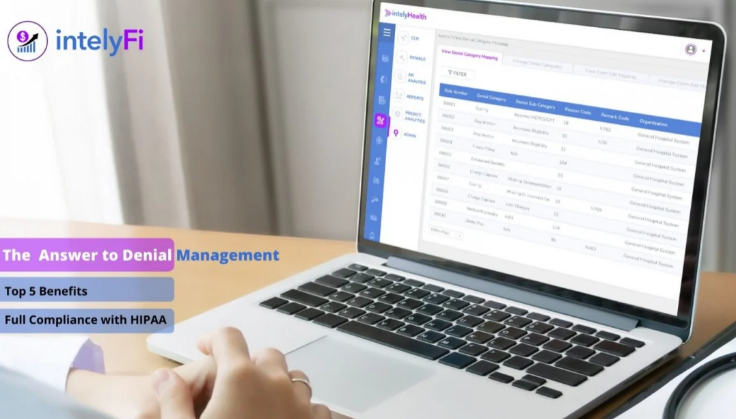
Denial management is how healthcare organizations study the root causes of denials to implement corrective action to avoid future denials.
Avoiding future denials is important because denials have a direct hit on the bottom line.The Traditional Process Let us look into how traditional healthcare organizations manage their denials.
The first step is to find and identify the causes that lead to denied claims.
After distinguishing the root cause, the next step is to categorize and notify the department or team responsible for the denial to make corrective actions.