In the world of peer-to-peer (P2P) cryptocurrency trading, trust is everything yet trading directly with strangers carries inherent risks. What if the buyer sends fiat payment but never receives the crypto? Or the seller releases crypto without confirming payment? This is where escrow mechanisms step in as the essential safety net.
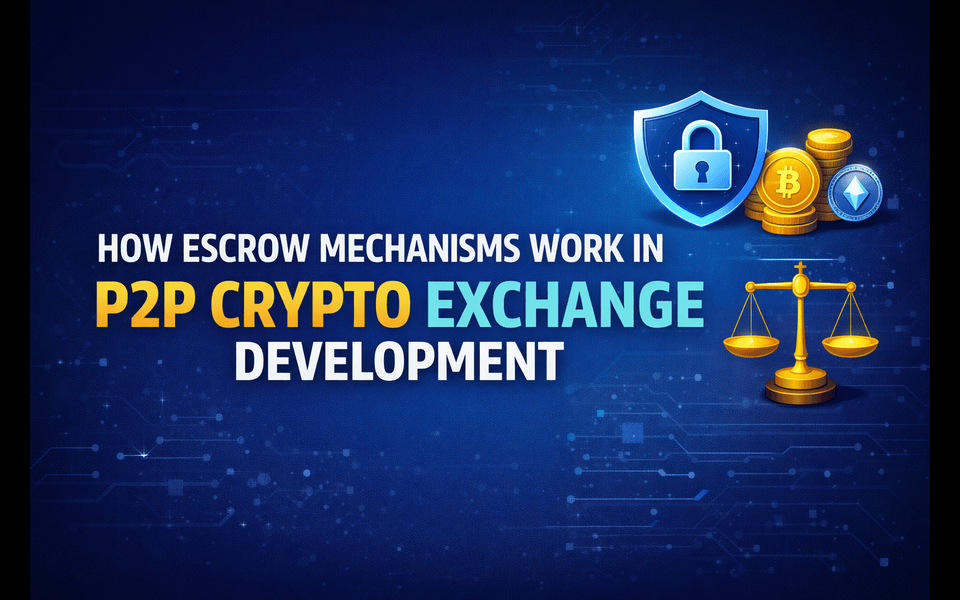
Escrow acts as a neutral intermediary that holds assets (usually the seller's cryptocurrency) until both parties fulfill their obligations. In P2P crypto exchanges, it eliminates the need for blind trust, reduces fraud, and enables secure, direct trading between users worldwide. For developers building P2P platforms, implementing a robust escrow system is non-negotiable it's the core feature that builds user confidence and drives platform adoption.
What is Escrow in P2P Crypto Trading?
Escrow is a financial arrangement where a trusted third party (the platform itself or a smart contract) temporarily holds funds or assets during a transaction. The assets are released only when predefined conditions such as payment confirmation are met.
In traditional finance, banks or escrow agents perform this role. In crypto P2P exchanges, the platform (custodial model) or blockchain code (non-custodial/decentralized model) handles it. The goal is atomicity: either both parties get what they agreed on, or the deal unwinds safely.
Unlike centralized exchanges where the platform controls everything, P2P platforms connect buyers and sellers directly for off-chain fiat payments (bank transfers, cash, e-wallets) while securing the on-chain crypto leg via escrow.
Why Escrow is Critical for P2P Crypto Exchanges
P2P trading thrives on flexibility hundreds of payment methods, no intermediaries for the trade itself, and global accessibility. However, it also introduces risks like:
- Fraud: Fake payment proofs, chargebacks, or non-delivery.
- Counterparty risk: One party disappears after receiving assets.
- Reversibility issues: Fiat payments can be reversed; crypto transfers are final.
- Escrow mitigates these by:
- Locking the seller's crypto so it can't be spent elsewhere.
- Giving the buyer confidence to send fiat.
- Enabling structured dispute resolution.
- Boosting platform reputation and user retention.
Without escrow, users would hesitate to trade with unknown counterparts, severely limiting liquidity and growth.
How Escrow Mechanisms Work: Step-by-Step Workflow
A typical P2P crypto trade with escrow follows this flow (based on platforms like Binance P2P, LocalCoinSwap, and others):
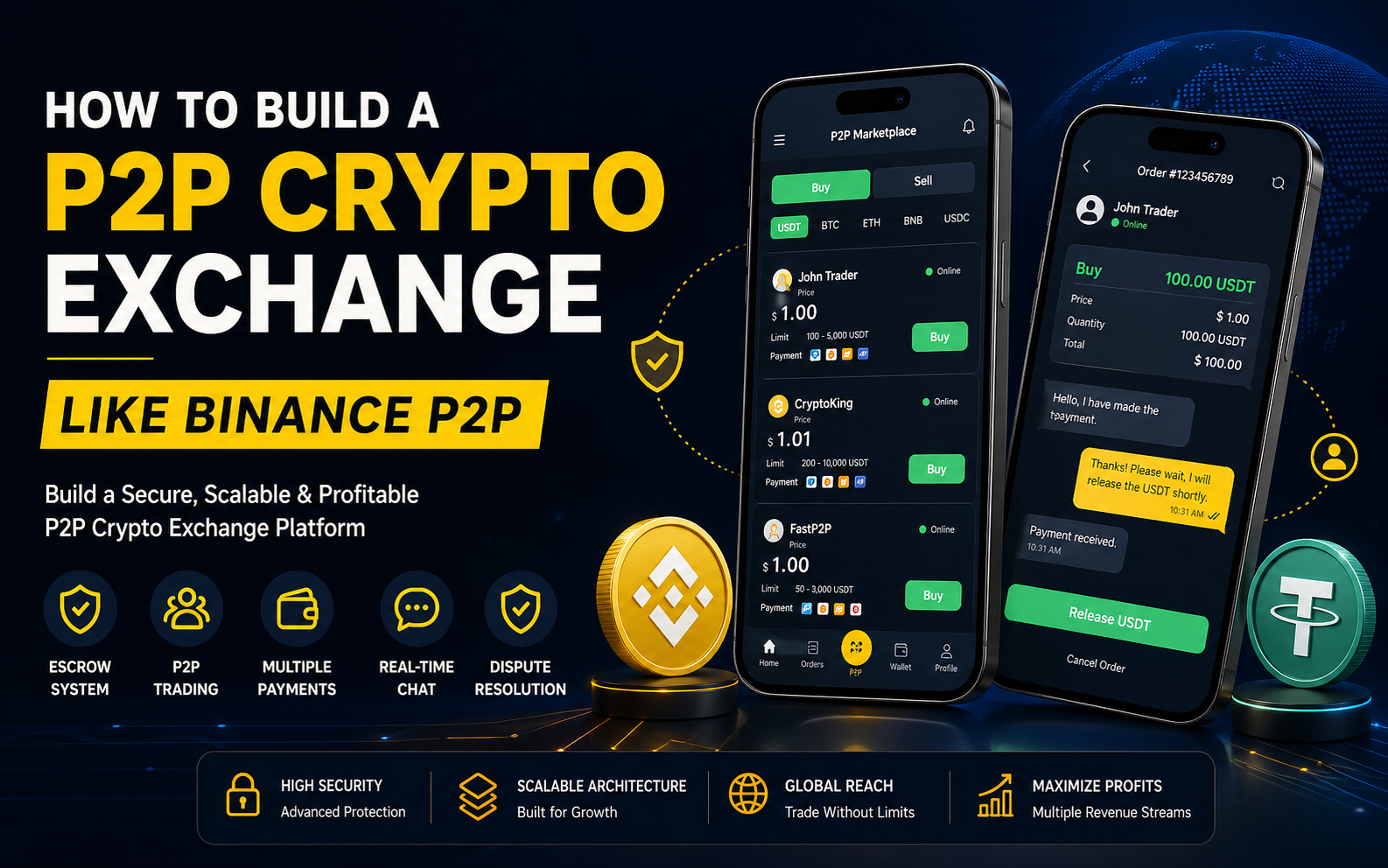
Offer Browsing and Trade Initiation A buyer browses seller offers (price, payment method, limits) and initiates a trade. The platform creates a trade order with a chat for communication.
Funding the Escrow The seller "funds" the escrow crypto is transferred from their wallet to a temporary escrow wallet or smart contract. In custodial platforms, the platform locks it automatically. The funds are now immobilized; neither party can access them unilaterally.
Buyer Makes Fiat Payment The buyer sends payment via the agreed method (bank transfer, UPI, PayPal, etc.) and marks the trade as "paid" in the platform, often uploading proof (screenshot/receipt). A timer usually starts here.
Seller Verification and Release The seller checks their bank/e-wallet for the payment. If confirmed, they click "Release" or "Confirm Payment." The platform then transfers the crypto from escrow to the buyer's wallet.
Trade Completion Both parties rate each other. The trade ends successfully.
Dispute Handling (if needed) If the seller doesn't release or the buyer claims non-receipt, either party can appeal. The platform's support or automated system reviews evidence (chat logs, payment proofs) and decides: release crypto, refund to seller, or split in rare cases.
The entire process often completes in 15–60 minutes, depending on payment rails.
Types of Escrow Implementations in P2P Development
Developers have several options when building escrow:
1. Custodial Escrow (Centralized)
- The platform controls the escrow wallet.
- Common in Binance P2P and similar platforms.
- Pros: Simple UX, fast disputes, easy fiat integration.
- Cons: Requires strong custody security; users must trust the platform.
2. Non-Custodial / Decentralized Escrow
- Uses smart contracts on blockchains like Ethereum, Solana, or Bitcoin-compatible layers.
- Funds are locked in code; release happens automatically or via multi-party approval.
- Examples: Hodl Hodl or Bisq-style systems.
3. Multisignature (Multisig) Escrow
- A popular hybrid approach.
- 2-of-2 Multisig: Buyer and seller must both approve release (optimistic; no platform key).
- 2-of-3 Multisig: Buyer, seller, and platform arbitrator hold keys. Two signatures needed. Ideal for disputes the arbitrator breaks deadlocks.
Often combined with timelocks (funds auto-return after a period if unresolved).
4. Smart Contract-Based Escrow
Self-executing code defines rules: lock on trade start, release on confirmation, timeout refunds.
Enhances transparency and reduces human intervention.
Can integrate oracles for off-chain payment verification (though fiat proofs remain manual in many cases).
Technical Considerations for P2P Crypto Exchange Development
When developing escrow:
Smart Contract Design: Clearly define states (Pending, Paid, Released, Disputed, Cancelled). Use audited libraries to prevent reentrancy or logic bugs.
Security: Cold storage for custodial funds, multi-factor authentication, encryption, and regular audits. For multisig, secure key management is vital.
User Experience: Real-time status updates, timers, chat integration, and one-click actions.
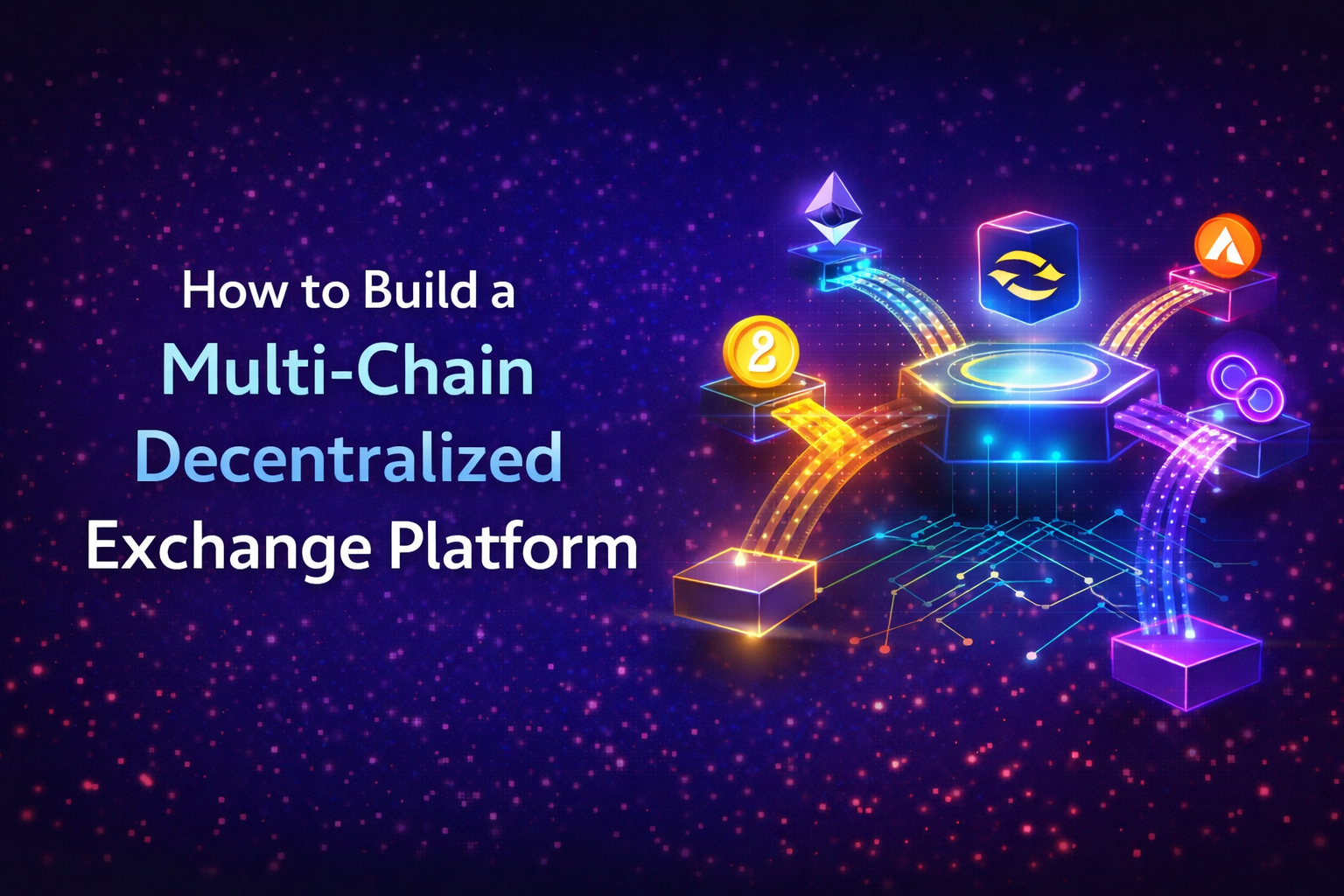
Scalability: Support multiple blockchains and high transaction volumes.
Compliance: KYC/AML integration, especially for fiat ramps. Some regions mandate specific escrow structures.
Dispute Resolution System: Combine automated timeouts with human moderators. Log all actions on-chain or in tamper-proof storage for transparency.
Key implementation tip: Build a strict trade state machine to avoid ambiguous states.
Benefits of Robust Escrow Systems
- Enhanced Security: Protects against scams and builds trust.
- Increased Liquidity: More users participate when risks are low.
- Global Reach: Supports diverse payment methods without centralized barriers.
- Reputation Building: Integrated ratings and dispute history encourage good behavior.
- Competitive Edge: Platforms with reliable escrow attract more volume than those without.
Challenges and Best Practices
- Challenges include:
- Smart Contract Vulnerabilities: Bugs can lead to fund loss always audit thoroughly.
- Dispute Volume: High volumes require efficient moderation.
- Regulatory Scrutiny: Platforms may face licensing requirements.
- User Errors: Miscommunication or fake proofs.
Best practices:
- Offer clear instructions and warnings in the UI.
- Encourage on-platform communication and proof uploads.
- Implement security deposits or reputation scores.
- Provide fast appeal processes with transparent rules.
- Regularly test end-to-end flows, including edge cases like timeouts.
The Future of Escrow in P2P Crypto
As the industry evolves, expect more hybrid models blending custodial simplicity with decentralized security (e.g., via Layer 2 solutions or advanced oracles). Emerging tech like zero-knowledge proofs could enhance privacy in disputes, while AI might speed up resolution.
For developers, focusing on secure, user-friendly escrow isn't just technical it's foundational to creating a thriving P2P marketplace.
Conclusion
Escrow mechanisms are the unsung heroes of P2P crypto exchange development. They transform risky stranger-to-stranger trades into secure, reliable processes by holding crypto until conditions are met and providing fair dispute resolution.
Whether building a custodial platform with platform-controlled wallets or a non-custodial system using multisig smart contracts, a well-designed escrow is what separates successful P2P exchanges from forgotten ones. It fosters trust, minimizes fraud, and unlocks the true potential of decentralized trading.
If you're planning to develop a P2P crypto exchange, prioritize escrow architecture from day one. Partner with experienced blockchain developers, conduct thorough audits, and focus on seamless user experience. The result? A platform users can trust for safe, efficient crypto trading in an increasingly borderless world.