Teeth appearance plays a major role in overall facial aesthetics and confidence. Many people assume that professional dental cleaning is enough to achieve a brighter smile. In reality, there are clear differences between cleaning and whitening procedures. Teeth Whitening in Islamabad has become increasingly popular as patients look for more noticeable and long-lasting cosmetic results.Understanding whether dental cleanings can truly replace whitening treatments requires a closer look at what each procedure does, how stains form on teeth, and what kind of results patients can realistically expect from both options.
https://www.medixoaesthetics.com/en-pk/dentistry/teeth-whitening/
Understanding Dental Cleanings and Their Purpose
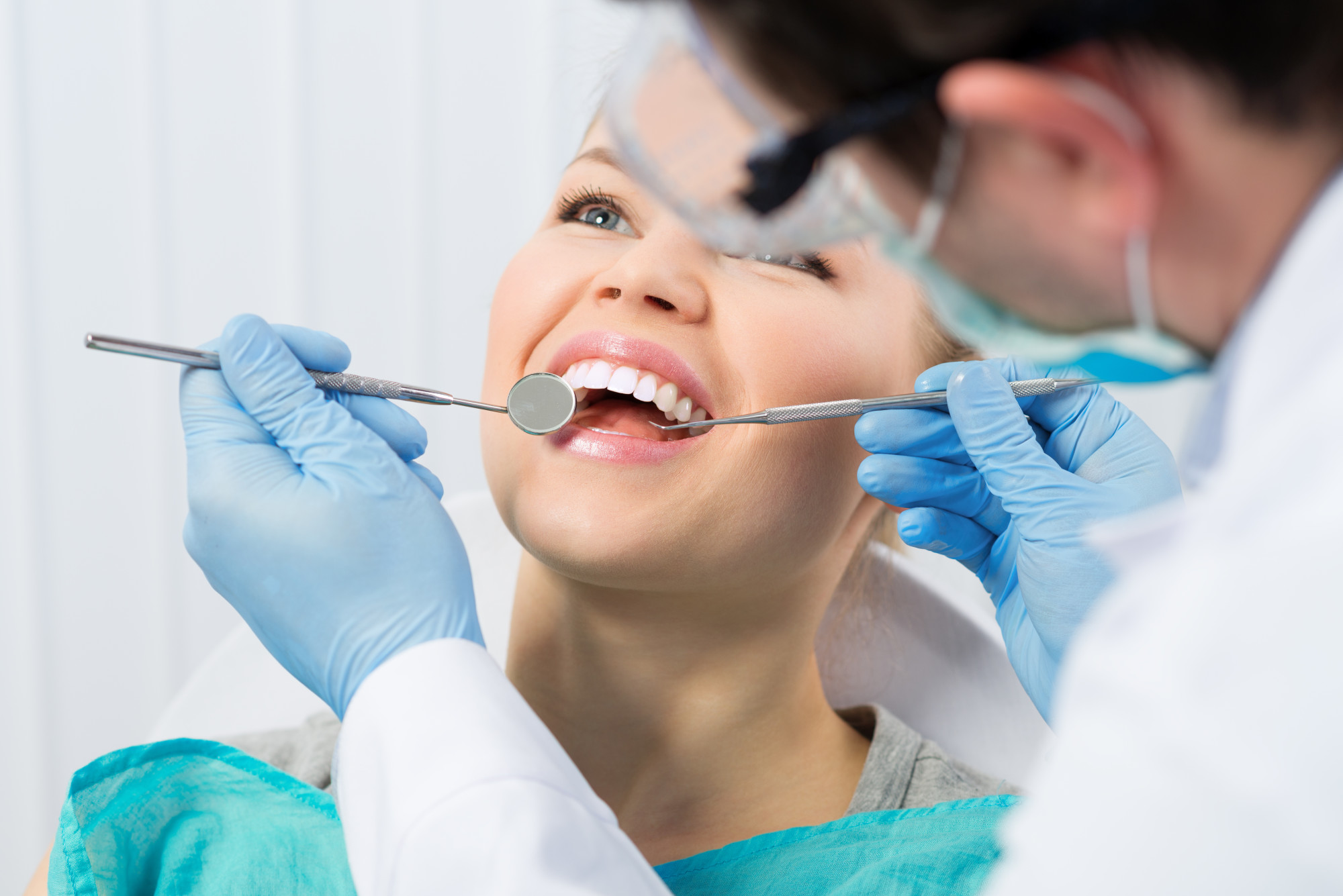
Dental cleaning, also known as prophylaxis, is a preventive oral health procedure performed by a dentist or dental hygienist. Its main goal is not cosmetic whitening but maintaining oral hygiene and preventing dental diseases such as gum infections, cavities, and tartar buildup.During a cleaning session, plaque and hardened tartar are removed from the tooth surface, especially in areas that are difficult to reach with regular brushing and flossing. The teeth may appear slightly brighter after cleaning, but this effect is mainly due to the removal of surface deposits rather than actual whitening of the enamel.Cleanings are essential for oral health, but their impact on tooth color is limited to surface-level improvements.
What Causes Teeth to Become Discolored?
To understand the difference between cleaning and whitening, it is important to know why teeth become discolored in the first place. Tooth stains are generally divided into two main categories: extrinsic and intrinsic stains.Extrinsic stains occur on the outer surface of the teeth and are caused by lifestyle factors such as tea, coffee, smoking, and certain foods. These stains can often be reduced through professional cleaning and good oral hygiene.Intrinsic stains, on the other hand, occur within the tooth structure. These may develop due to aging, medication use, trauma, or excessive fluoride exposure during childhood. Intrinsic stains cannot be removed through cleaning alone and typically require professional whitening treatments.This distinction is key when evaluating whether cleanings can replace whitening procedures.
Can Dental Cleanings Make Teeth Whiter?
Dental cleanings can make teeth look cleaner and slightly brighter, but they do not change the natural shade of the teeth. The procedure removes plaque, tartar, and some surface stains, which can improve the overall appearance of the smile.However, if a person’s teeth are naturally yellow or have deeper discoloration, cleaning alone will not produce a significant whitening effect. The improvement seen after cleaning is often subtle and temporary, especially when compared to cosmetic whitening treatments.This is why individuals seeking a noticeably brighter smile often explore advanced cosmetic options like whitening procedures.
What Whitening Treatments Actually Do?
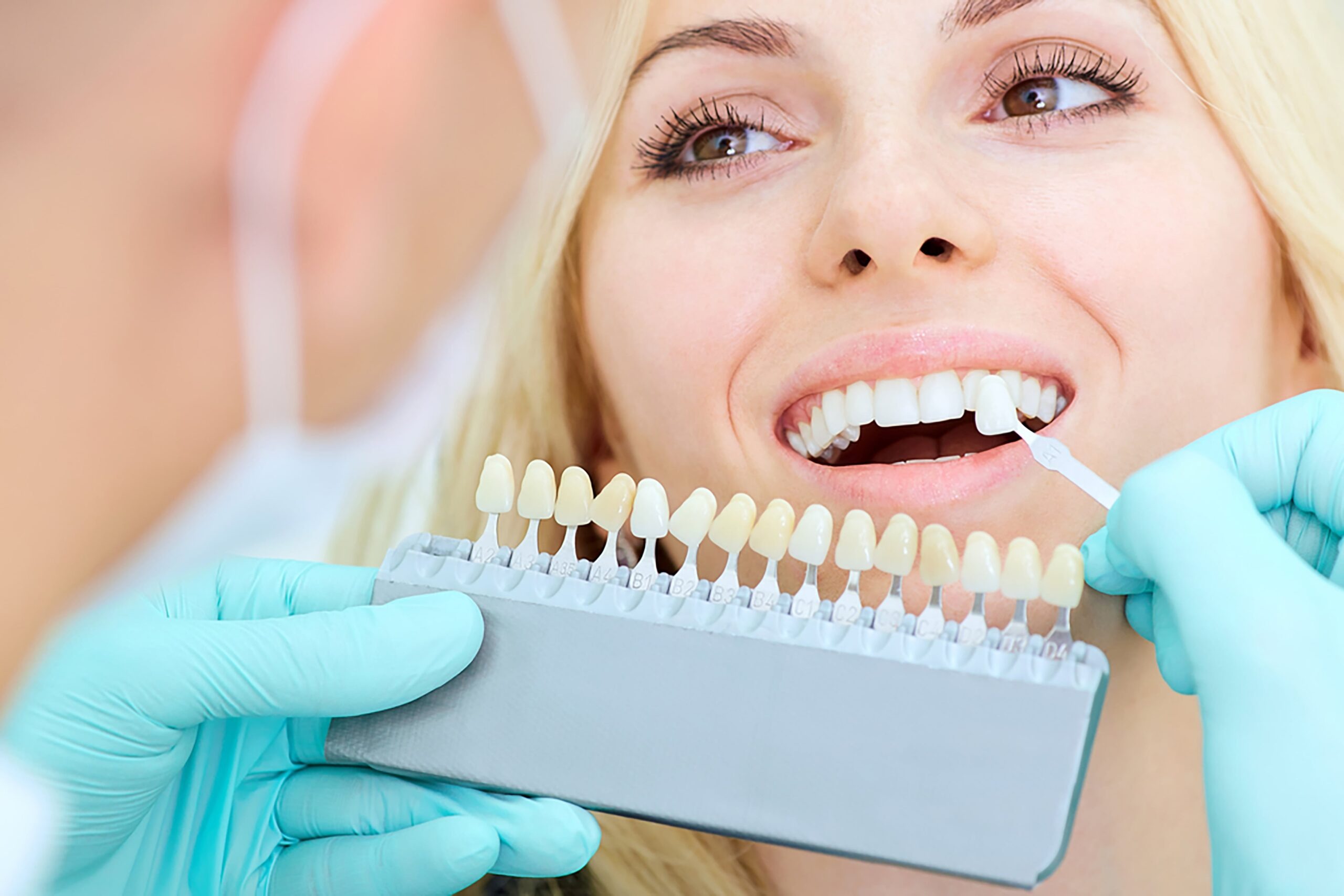
Whitening treatments are specifically designed to change the color of the teeth beyond just surface cleaning. These treatments use bleaching agents such as hydrogen peroxide or carbamide peroxide to penetrate the enamel and break down deep stains.Unlike dental cleaning, whitening works on both extrinsic and some intrinsic stains, making teeth several shades lighter depending on the individual’s natural tooth color and stain level.Professional whitening, especially when performed under dental supervision, offers faster and more dramatic results compared to over-the-counter products or routine cleaning.
Dental Cleaning vs Whitening: Key Differences
Dental cleaning and whitening are often confused because both procedures improve the appearance of teeth. However, their purpose, process, and outcomes are significantly different.Dental cleaning focuses on oral health maintenance. It removes tartar, plaque, and bacteria that can lead to gum disease and decay. Whitening focuses on aesthetic enhancement by altering tooth color.is recommended for everyone as a regular preventive measure, while whitening is optional and chosen for cosmetic reasons.Even patients who undergo whitening treatments still need regular cleanings, as whitening does not prevent plaque buildup or gum issues.
Can Cleanings Replace Whitening Treatments Completely?
The simple answer is no. Dental cleanings cannot fully replace whitening treatments because they serve different purposes. While cleaning improves surface brightness by removing buildup, it does not change the internal color of the tooth.For patients with mild surface stains, cleanings may be enough to achieve a satisfactory smile improvement. However, for deeper discoloration or those seeking a noticeably whiter smile, whitening treatments are necessary.In fact, dentists often recommend getting a professional cleaning before whitening to ensure that the whitening agents work more effectively on a clean tooth surface.
When Dental Cleaning Is Enough
There are situations where dental cleaning alone may be sufficient. For example, individuals who maintain excellent oral hygiene and have minimal staining from diet or habits may notice a visible improvement after a routine cleaning.Young patients or those without long-term staining issues often find that cleaning restores their natural brightness effectively.However, it is important to note that this improvement is limited and may not meet cosmetic expectations for a brighter-than-natural smile.
When Whitening Treatments Are Necessary
Whitening treatments become necessary when stains are embedded within the enamel or when teeth have naturally darker shades. People who frequently consume staining beverages or smoke are also more likely to need whitening procedures.In cosmetic dentistry, whitening is often recommended for special occasions such as weddings, events, or professional appearances where a more enhanced smile is desired.Clinics offering advanced cosmetic procedures, including those providing Teeth Whitening in Islamabad, often customize treatments based on the level of discoloration and patient expectations.
Maintaining Results After Cleaning or Whitening
Whether a patient undergoes cleaning or whitening, maintaining results requires consistent oral care. Brushing twice a day, flossing, and avoiding stain-causing foods and beverages are essential habits.Regular dental checkups also help ensure that plaque buildup does not reduce the brightness of the teeth over time.After whitening treatments, patients are often advised to avoid strongly pigmented foods and drinks for a short period to preserve results for longer.
Final Thoughts
Dental cleanings and whitening treatments both play important roles in oral care, but they are not interchangeable. Cleanings are essential for maintaining gum health and removing surface buildup, while whitening treatments are designed to improve tooth color at a deeper level.Although cleanings can make teeth appear slightly brighter, they cannot replace the transformative results of whitening procedures. For individuals seeking a significantly whiter smile, professional whitening remains the more effective solution.Understanding the difference helps patients make informed decisions and choose the right treatment based on their oral health needs and aesthetic goals.