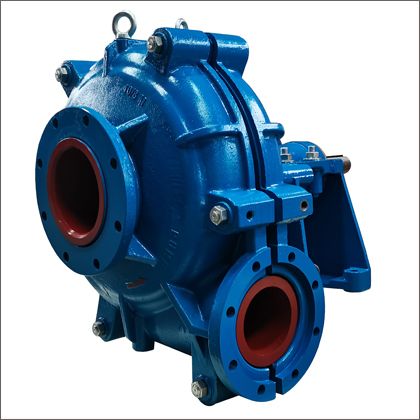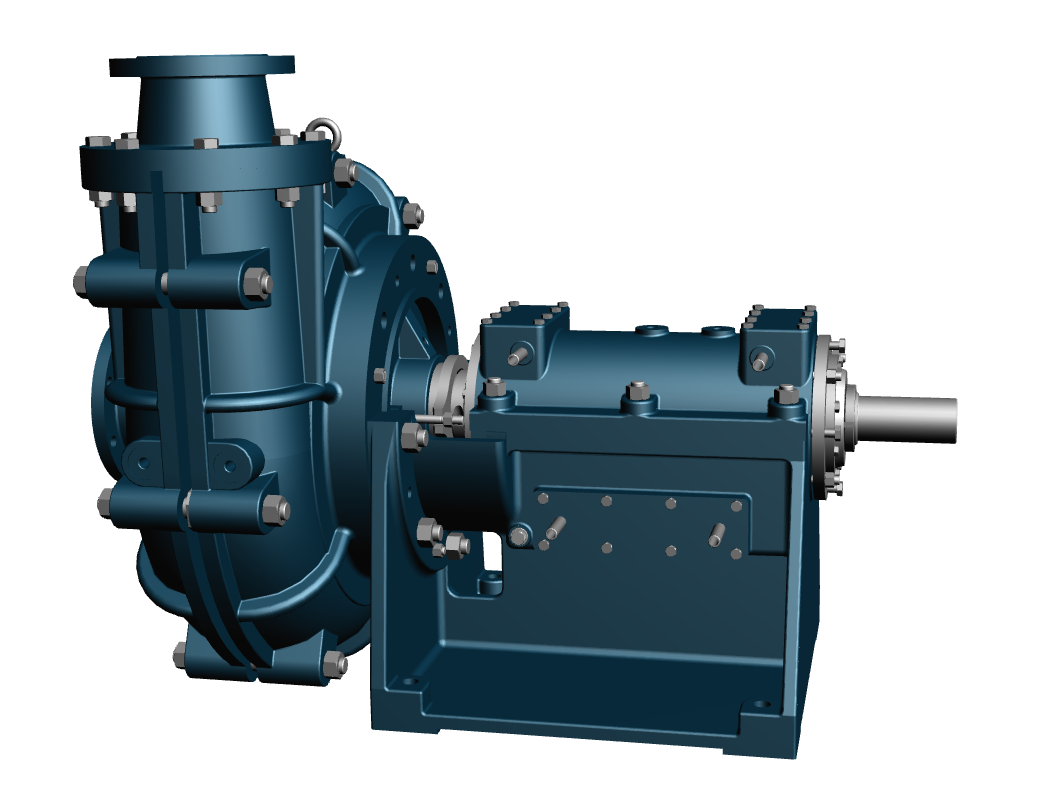
Efficient material transfer is the backbone of countless industrial processes. Whether moving mineral concentrates, sand and gravel, chemical precipitates, or waste tailings, the goal is the same: move the maximum amount of solids using the minimum amount of energy, time, and maintenance. CNSME has built their reputation as a slurry pump supplier that prioritizes efficiency in every sense of the word. But efficiency in slurry pumping is not just about a high hydraulic efficiency number on a test stand. It is about how the pump performs in real conditions—how well it handles variations in feed, how long it maintains its efficiency as components wear, and how quickly it can be returned to service when maintenance is finally needed. This article explores the multiple dimensions of efficiency that CNSME brings to material transfer applications.
Hydraulic Efficiency That Lowers Power Consumption
The most visible form of efficiency is hydraulic efficiency—the percentage of input power that is converted into useful hydraulic work moving the slurry. CNSME achieves high hydraulic efficiency through carefully optimized impeller and casing designs. Their computational fluid dynamics simulations model the flow of slurry through the pump, identifying and eliminating zones of turbulence and recirculation. The result is a pump that moves more slurry per kilowatt-hour than many competing designs. For a large pump running continuously, even a small efficiency advantage translates to significant annual energy savings. A customer moving ten thousand cubic meters of slurry per day might save tens of thousands of dollars in electricity each year by choosing a CNSME pump over a less efficient alternative. That saving is pure profit improvement, year after year.
Wear Efficiency Through Extended Component Life
Efficiency is not just about energy. It is also about how long the pump can operate before needing maintenance. CNSME calls this wear efficiency—the tons of solids moved per set of wear parts. Their high-chrome alloys, rubber linings, and optimized hydraulic geometries all work together to extend wear life. A pump that moves one million tons of solids before needing a new impeller and liner is more efficient in practical terms than a pump that moves five hundred thousand tons, even if the first pump uses slightly more energy per ton. The reason is maintenance cost and downtime. Fewer wear part replacements mean lower labor costs, less spare parts spending, and more production hours. CNSME’s focus on wear efficiency recognizes that in the real world, the cost of maintenance often exceeds the cost of electricity.
Velocity Management for Reduced System Losses
Efficient material transfer is not just about the pump itself. It is about the entire system. CNSME advises customers on pipeline velocities that balance competing concerns. Too low, and solids settle out, causing blockages that stop production. Too high, and friction losses increase, requiring more pump head and consuming more energy. The optimal velocity depends on the particle size, density, and concentration of the slurry. CNSME’s engineers can calculate the settling velocity for a given slurry and recommend a pipeline velocity that keeps solids in suspension without wasting energy on excessive speed. This system-level thinking extends efficiency beyond the pump to the entire material transfer system. A customer who follows CNSME’s velocity recommendations will see lower power bills and fewer pipeline blockages, both of which improve overall efficiency.
Suction Condition Optimization
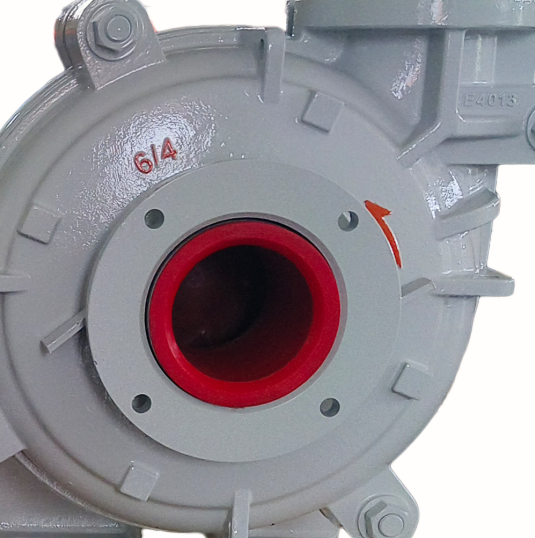
Many slurry pump inefficiencies originate at the suction side of the pump. Poor suction conditions cause cavitation, which destroys impellers and wastes energy. CNSME works with customers to ensure adequate net positive suction head for their application. This might mean recommending a larger suction pipe, a different pump orientation, or modifications to the feed tank. The investment in good suction conditions pays back through longer impeller life and stable pump operation. A pump that is cavitating sounds terrible and performs poorly. A pump with proper suction conditions runs smoothly and efficiently. CNSME’s willingness to address suction conditions, even when it means recommending changes outside the pump itself, demonstrates their commitment to true system efficiency rather than just selling a box.
Variable Speed Operation for Changing Conditions
Few slurry applications run at constant flow and pressure. Feed rates vary, downstream processes have different demands, and energy costs fluctuate. A fixed-speed pump operates efficiently at only one point on its curve. Everywhere else, efficiency drops. CNSME recommends variable frequency drives for applications with variable conditions. A VFD allows the pump speed to match the actual demand, maintaining efficiency across a wide operating range. The energy savings from a VFD often pay for the drive within a year or two, especially in applications with significant flow variations. CNSME can help size the drive, program it for optimal response, and provide guidance on minimum speeds to prevent solids settling. Variable speed operation is one of the most powerful tools for improving material transfer efficiency, and CNSME embraces it fully.
Quick Maintenance for Minimal Downtime
Even the most efficient pump eventually needs maintenance. The question is how long that maintenance takes and how much production is lost. CNSME designs for quick maintenance, with wet ends that come apart using standard tools and components that are easy to access. A well-prepared maintenance team can replace wear parts in hours rather than days. This quick turnaround improves overall system efficiency because less production time is lost to maintenance. A pump that requires eight hours for a wet end replacement costs two shifts of production every time it is serviced. A pump that requires two hours for the same job costs half a shift. Over multiple maintenance events, the difference in lost production is substantial. CNSME’s service-friendly design is an efficiency feature that pays dividends every time the pump is opened.
Monitoring and Condition-Based Maintenance
Finally, efficiency improves when you know exactly when maintenance is needed and can schedule it at the most convenient time. CNSME offers condition monitoring options that track pump performance in real time. Vibration sensors, temperature probes, and power monitors provide data that algorithms use to predict remaining wear life. An operator can see that impeller clearance has increased by fifteen percent and that efficiency has dropped by three percent. They can schedule maintenance for the next planned shutdown rather than reacting to an unexpected failure. This condition-based approach maximizes the useful life of wear parts while avoiding the inefficiency of running a pump with excessive clearances. It is efficiency through information—knowing what is happening inside the pump without opening it. CNSME’s monitoring solutions close the loop between operation and maintenance, driving continuous efficiency improvement. For more visit here https://www.cnsmepump.com/



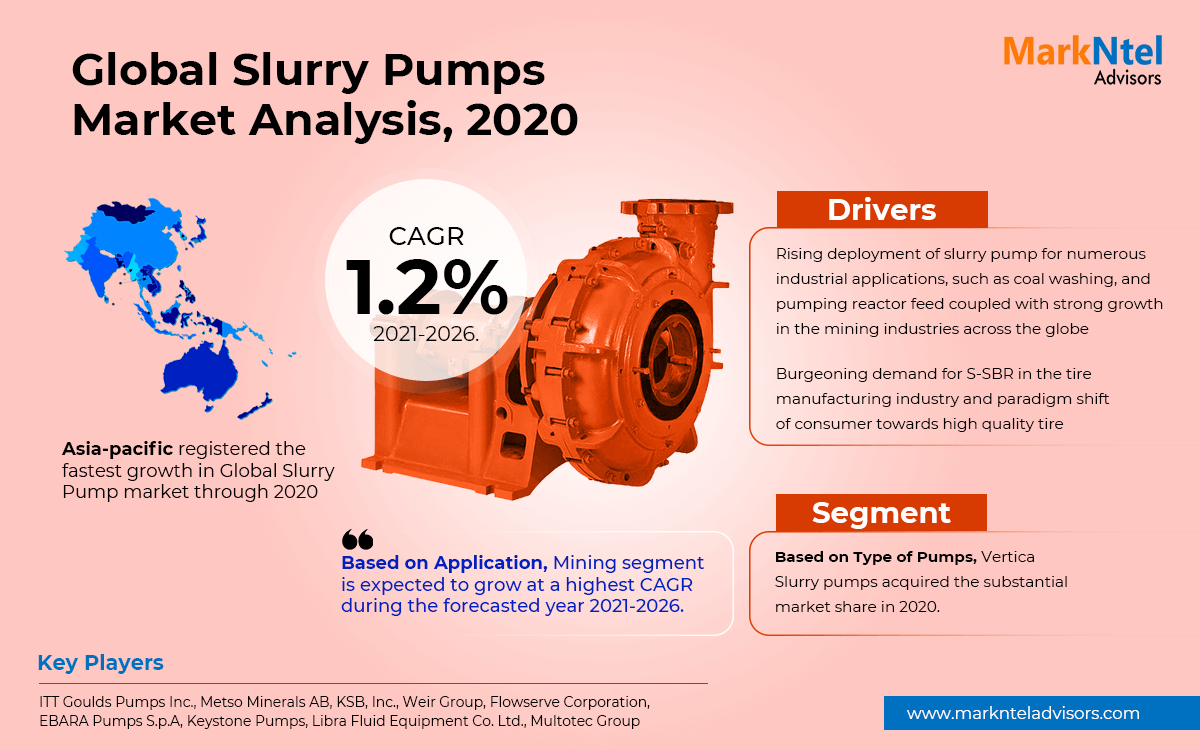
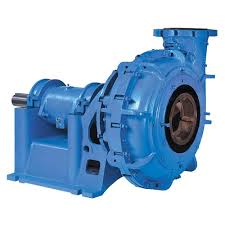
The latest trending report Global Slurry Pump Market 2020 by Manufacturers, Regions, Type and Application, Forecast to 2025 offered by DecisionDatabases.com is an informative study covering the market with detailed analysis.
The report will assist reader with better understanding and decision making.The Slurry Pump market report provides a detailed analysis of global market size, regional and country-level market size, segmentation market growth, market share, competitive Landscape, sales analysis, impact of domestic and global market players, value chain optimization, trade regulations, recent developments, opportunities analysis, strategic market growth analysis, product launches, area marketplace expanding, and technological innovations.The global Slurry Pump market size is expected to gain market growth in the forecast period of 2020 to 2025, with a CAGR of 0.8%% in the forecast period of 2020 to 2025 and will expected to reach USD 1231.8 million by 2025, from USD 1194.8 million in 2019.Final Report will cover the impact of COVID-19 on this industry.Browse the complete report and table of contents @ https://www.decisiondatabases.com/ip/12871-slurry-pump-industry-market-reportThe major players covered in Slurry Pump are:MetsoEBARA PumpsGrundfosWeir GroupTsurumi PumpITT Goulds PumpsShijiazhuang Industrial PumpKSBFlowserveXylemShijiazhuang Kingda PumpSchurco SlurryLEO GroupExcellence Pump IndustryBy Type, Slurry Pump market has been segmented into:Horizontal Slurry PumpsVertical Slurry PumpsSubmersible Slurry PumpsBy Application, Slurry Pump has been segmented into:Mining and Mineral IndustryConstructionMetallurgy & Chemical IndustryPulp and PaperPower GenerationOthersThe report offers in-depth assessment of the growth and other aspects of the Slurry Pump market in important countries (regions), including:North America (United States, Canada and Mexico)Europe (Germany, France, UK, Russia and Italy)Asia-Pacific (China, Japan, Korea, India and Southeast Asia)South America (Brazil, Argentina, etc.
)Middle East & Africa (Saudi Arabia, Egypt, Nigeria and South Africa)Download Free Sample Report of Global Slurry Pump Market @ https://www.decisiondatabases.com/contact/download-sample-12871The content of the study subjects, includes a total of 15 chapters:Chapter 1, to describe Slurry Pump product scope, market overview, market opportunities, market driving force and market risks.Chapter 2, to profile the top manufacturers of Slurry Pump, with price, sales, revenue and global market share of Slurry Pump in 2018 and 2019.Chapter 3, the Slurry Pump competitive situation, sales, revenue and global market share of top manufacturers are analyzed emphatically by landscape contrast.Chapter 4, the Slurry Pump breakdown data are shown at the regional level, to show the sales, revenue and growth by regions, from 2015 to 2020.Chapter 5, 6, 7, 8 and 9, to break the sales data at the country level, with sales, revenue and market share for key countries in the world, from 2015 to 2020.Chapter 10 and 11, to segment the sales by type and application, with sales market share and growth rate by type, application, from 2015 to 2020.Chapter 12, Slurry Pump market forecast, by regions, type and application, with sales and revenue, from 2020 to 2025.Chapter 13, 14 and 15, to describe Slurry Pump sales channel, distributors, customers, research findings and conclusion, appendix and data source.Purchase the complete Global Slurry Pump Market Research Report @ https://www.decisiondatabases.com/contact/buy-now-12871Other Reports by DecisionDatabases.com:Global Spray Pump Market 2020 by Manufacturers, Regions, Type and Application, Forecast to 2025Global Rotary Pump Market 2020 by Manufacturers, Regions, Type and Application, Forecast to 2025Global Three Screw Pumps Market 2020 by Manufacturers, Regions, Type and Application, Forecast to 2025About-Us:DecisionDatabases.com is a global business research reports provider, enriching decision makers and strategists with qualitative statistics.
DecisionDatabases.com is proficient in providing syndicated research report, customized research reports, company profiles and industry databases across multiple domains.Our expert research analysts have been trained to map client’s research requirements to the correct research resource leading to a distinctive edge over its competitors.
We provide intellectual, precise and meaningful data at a lightning speed.For more details:DecisionDatabases.comE-Mail: sales@decisiondatabases.comPhone: +91 9028057900Web: https://www.decisiondatabases.com/