

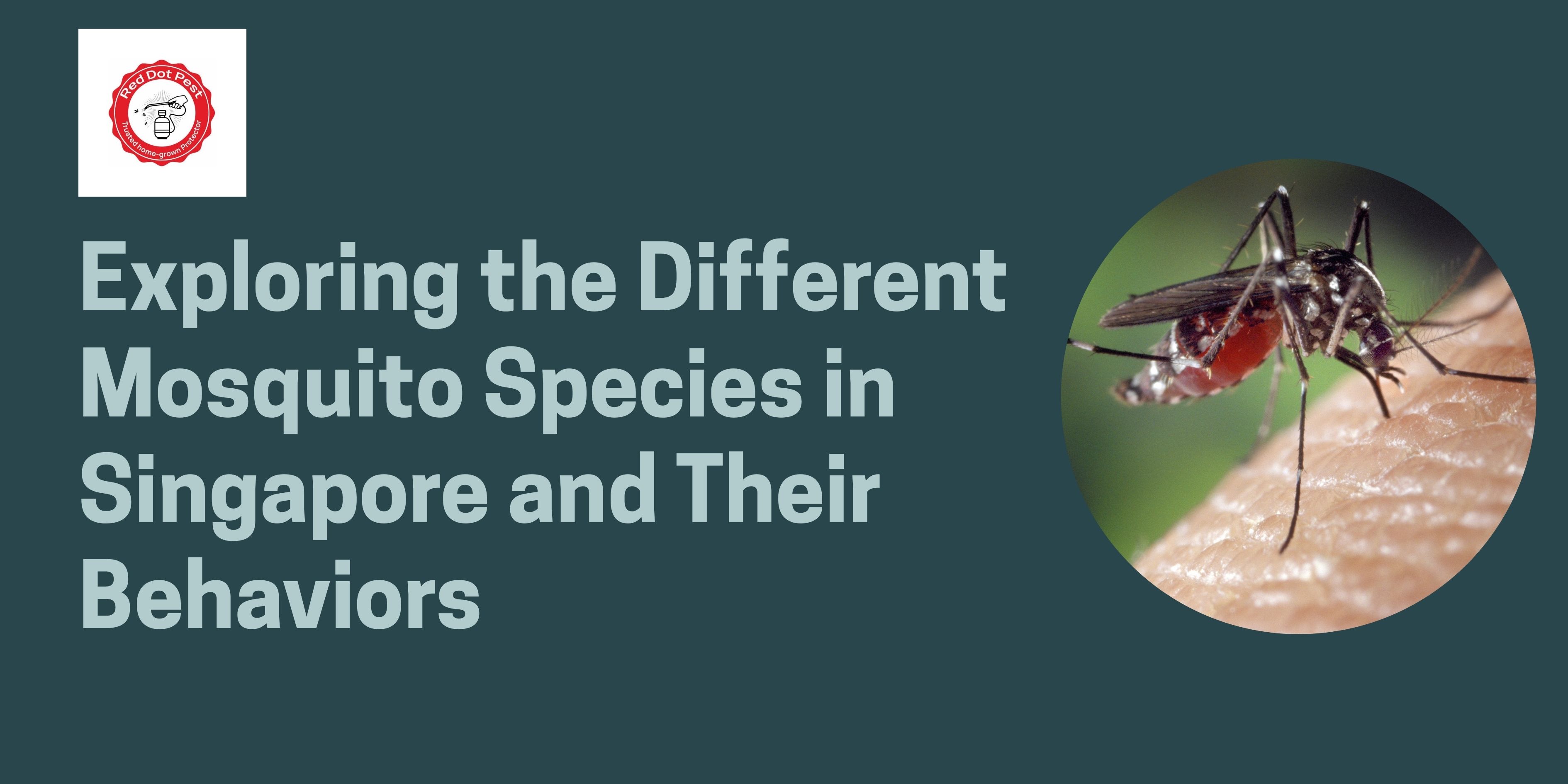
Mosquitoes are more than just a nuisance in Singapore’s warm and humid climate. With several species thriving across urban and green spaces, understanding their differences can help residents manage risks and maintain a healthier living environment. This guide explores the most common mosquito species in Singapore and how their behaviors influence control strategies.
Why Mosquito Awareness Matters
Singapore’s tropical weather creates ideal breeding conditions for mosquitoes year-round. While many bites are harmless, certain species are known carriers of diseases such as dengue and malaria. Knowing which species you are dealing with can make mosquito pest control efforts more targeted and effective.
Common Mosquito Species in Singapore
1. Aedes Mosquito (Aedes aegypti & Aedes albopictus)
The Aedes mosquito is one of the most well-known species in Singapore due to its link to dengue fever.
Key behaviors:
- Active during the day, especially early morning and late afternoon
- Breeds in clean, stagnant water (e.g., flower pots, containers)
- Prefers indoor environments and urban settings
Why it matters:
Because Aedes mosquitoes thrive close to human habitats, they are harder to avoid. Regular inspection of household water sources is essential for control.
2. Culex Mosquito
Culex mosquitoes are commonly found in residential areas, especially near drains and polluted water sources.
Key behaviors:
- Active at night
- Breeds in dirty or stagnant water like drains and canals
- Often found outdoors but can enter homes
Why it matters:
Although less aggressive than Aedes, they can still spread diseases such as West Nile virus. Managing drainage systems is key to reducing their population.
3. Anopheles Mosquito
This species is less common but still present in certain areas of Singapore.
Key behaviors:
- Bites during nighttime
- Breeds in clean and shaded water bodies
- More common in rural or forested regions
Why it matters:
Anopheles mosquitoes are known carriers of malaria. While cases are rare in Singapore, monitoring their habitats remains important.
How Mosquito Behavior Affects Control Methods
Different mosquito species require different control strategies. A one-size-fits-all approach is often ineffective.
Key considerations:
- Breeding habits: Eliminating standing water is crucial for all species
- Active hours: Use repellents or nets depending on whether mosquitoes are active during the day or night
- Environment: Indoor vs outdoor control methods should be tailored accordingly
For example, Aedes mosquitoes require strict indoor and container management, while Culex control may involve improving sanitation and drainage systems.
Practical Tips for Mosquito Prevention
To reduce mosquito populations around your home, consider the following steps:
- Remove stagnant water from containers, trays, and gutters
- Clean and maintain drains regularly
- Install window screens to prevent entry
- Use mosquito repellents during peak activity hours
- Keep surroundings clean and clutter-free
These measures form the foundation of effective mosquito pest control in residential areas.
When to Consider Professional Help
In cases where mosquito infestations persist despite preventive measures, seeking professional pest control Singapore services can be a practical solution. Experts can identify breeding sources, apply targeted treatments, and provide long-term prevention plans tailored to local conditions.
Professional mosquito pest control services are especially useful in high-risk areas or during dengue outbreaks, where timely intervention is critical.
Final Thoughts
Understanding the different mosquito species in Singapore and their behaviors is an important step toward effective prevention. Each species has unique habits that influence where they breed, when they bite, and how they spread diseases.
By combining awareness with consistent preventive measures and seeking pest control Singapore services when needed you can significantly reduce mosquito risks and create a safer, more comfortable living environment.
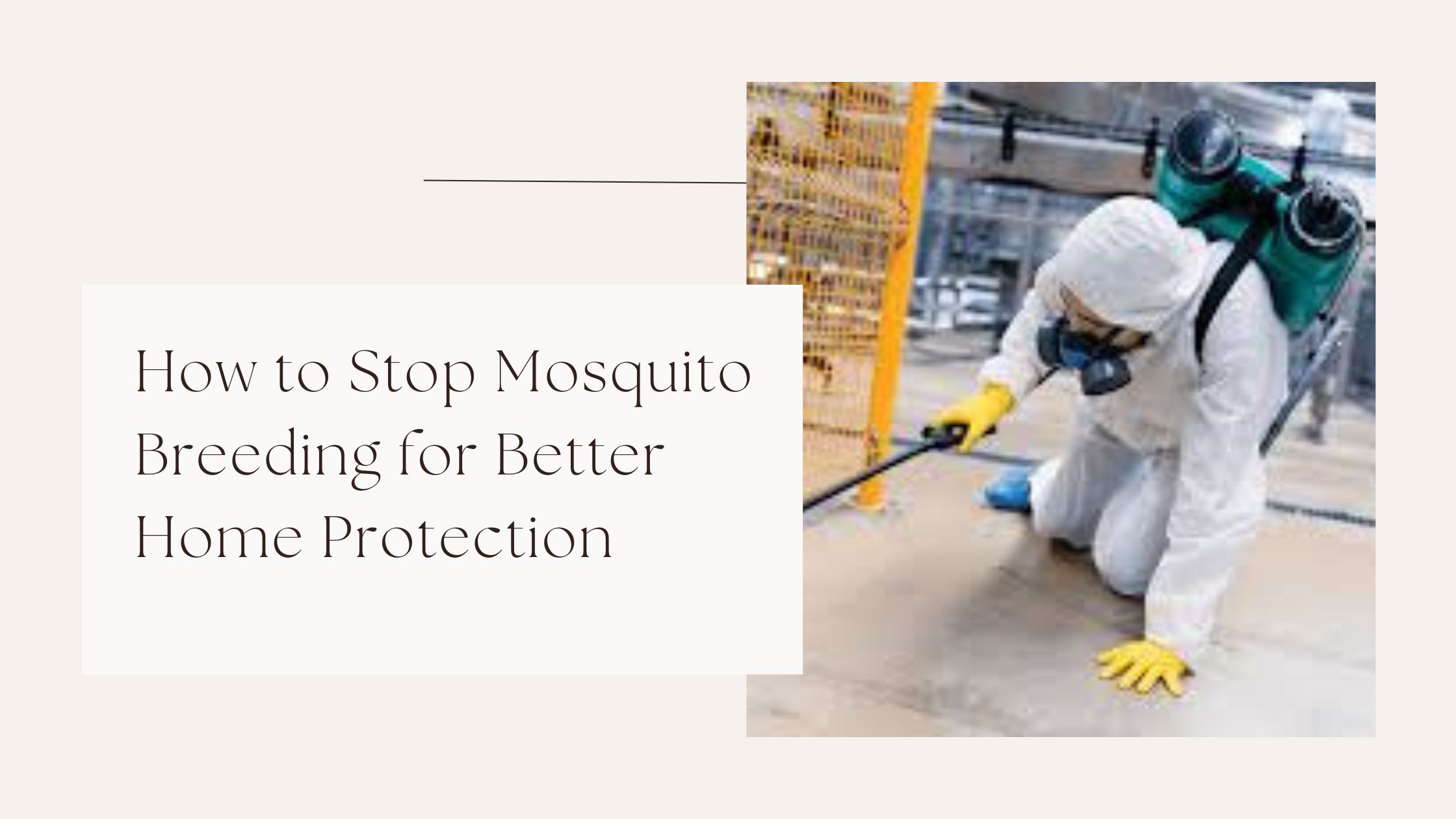
Rat infestations are a persistent concern in Singapore’s dense urban environment. From residential buildings to commercial spaces, these pests pose risks to hygiene, safety, and property. Choosing